
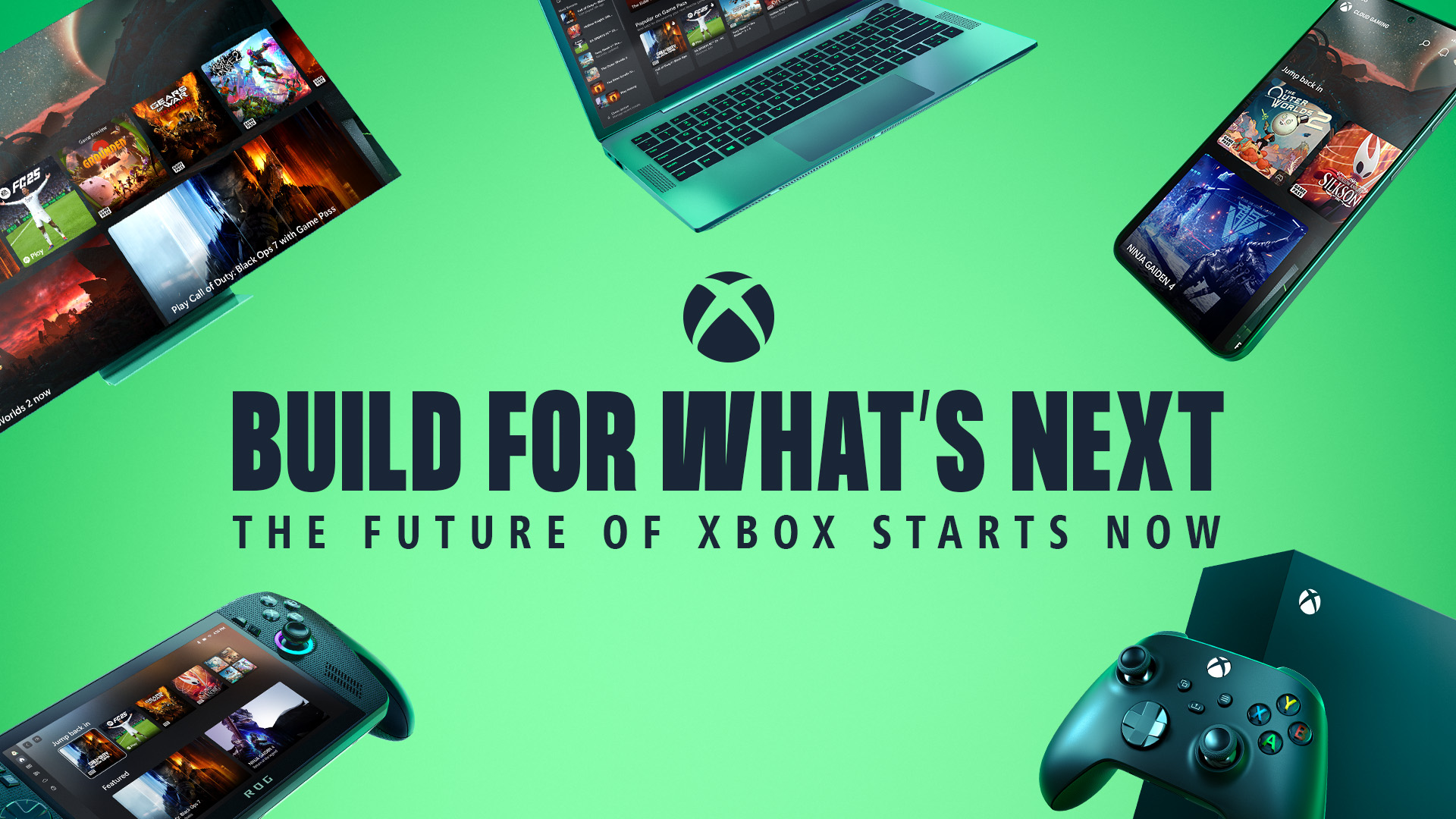
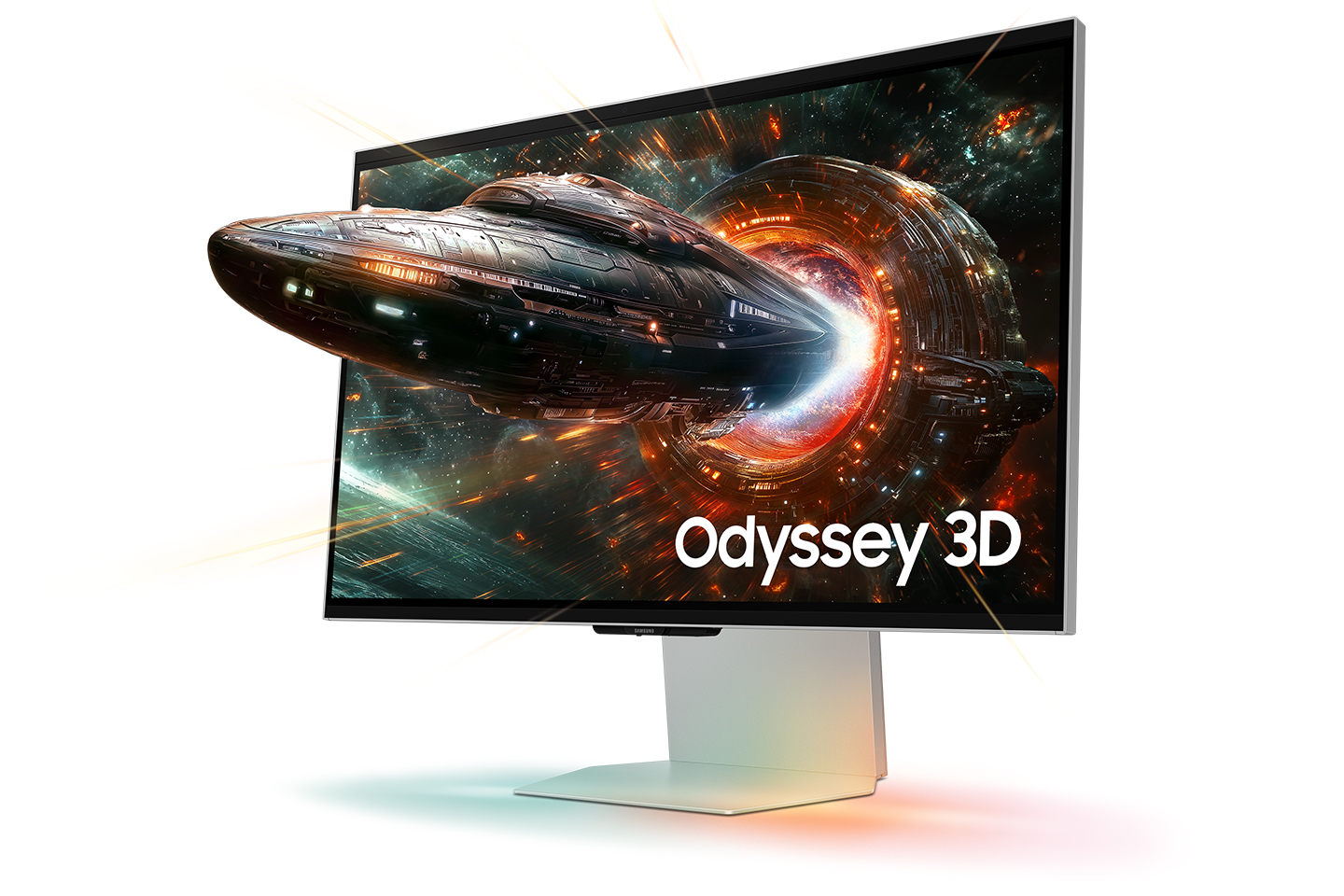
The key news from GDC 2026 in San Francisco revolved around a significantly expanded program, new Xbox content, and strong hardware/tech demos centered on displays, AI, and platform tools. Microsoft hosted its own dedicated Xbox Dev Summit at GDC for the first time, including a keynote on the future of the Xbox platform. Samsung showcased new display technologies, including the Odyssey 3D with glasses-free 3D and the Odyssey G8 6K, positioning them as tools for improved immersion and visual quality. Nevertheless, the expo appeared noticeably smaller than in previous years, as some major industry players chose not to exhibit.
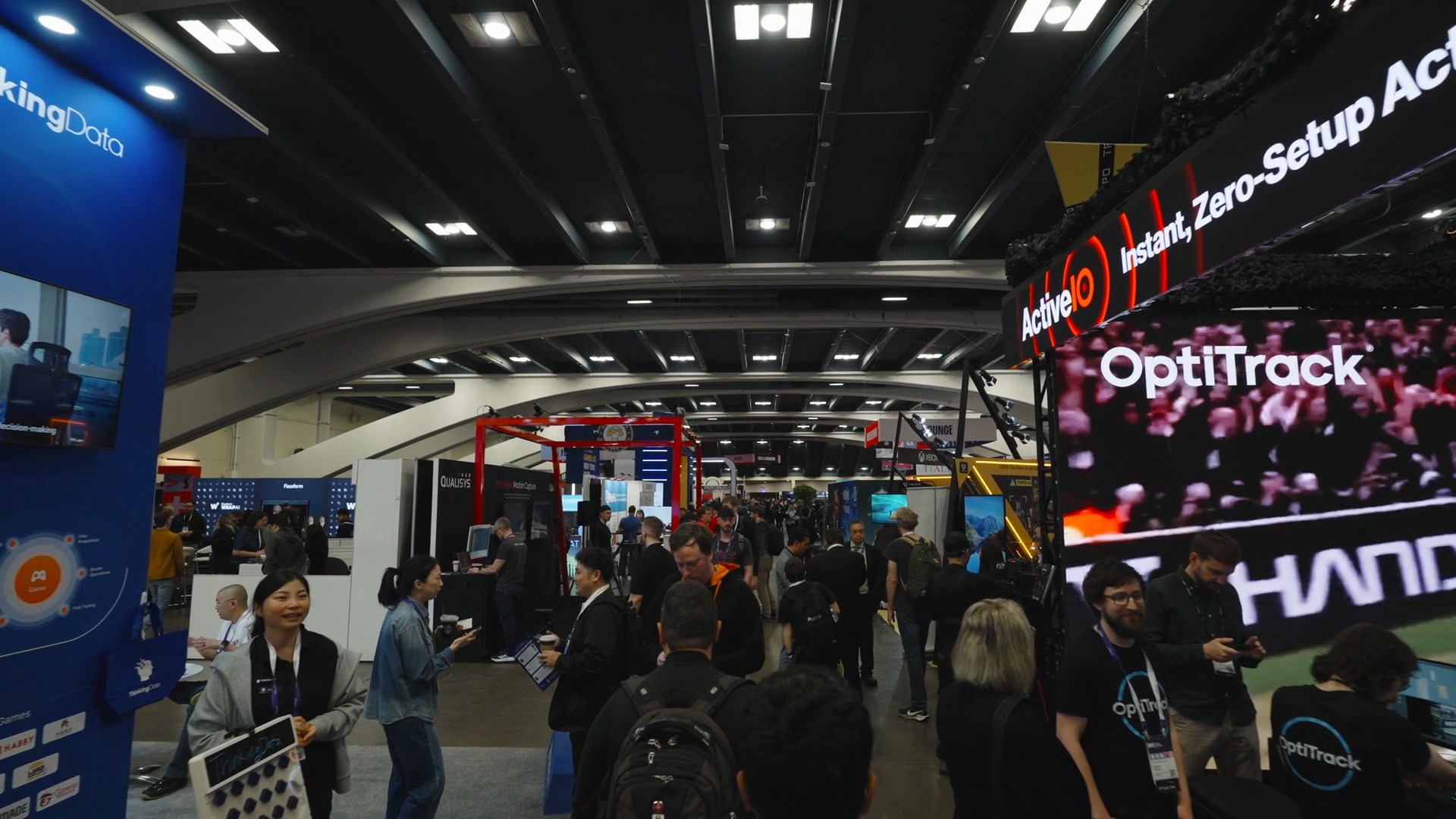
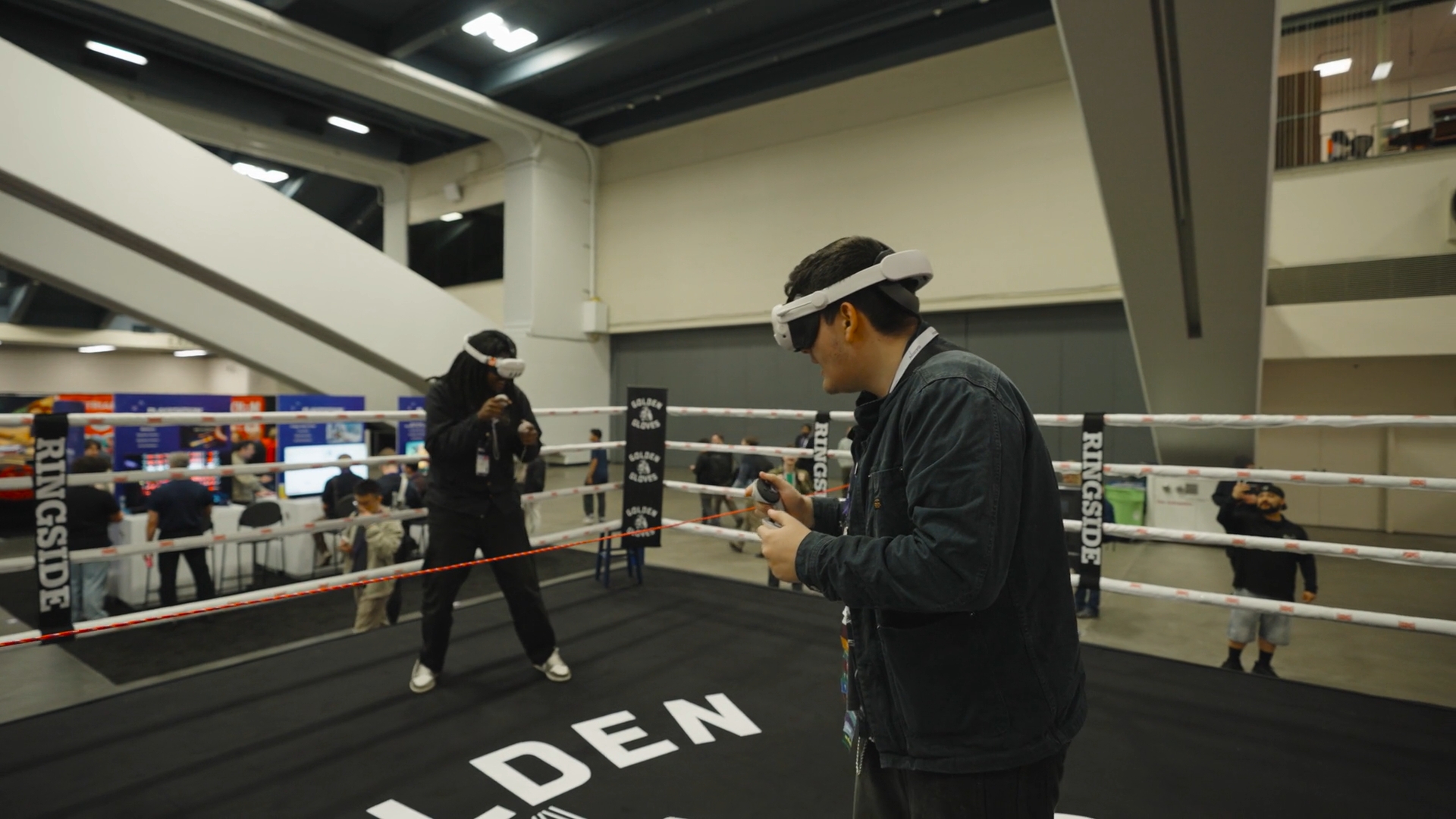
The overall trend in the talks clearly shifted toward AI, live service operations, multi-device workflows, and technical optimization for modern game development. In the VR/XR space, the focus was on platform updates, better developer tools, and a clear emphasis on sustainable growth rather than simply announcing new headsets. Notably absent from Samsung‘s display presentation was any mention of Galaxy XR, signaling a continued deprioritization of dedicated XR hardware. Above all, Meta’s strategic shift away from game-centric VR toward everyday XR smart glasses was at the center of many discussions.
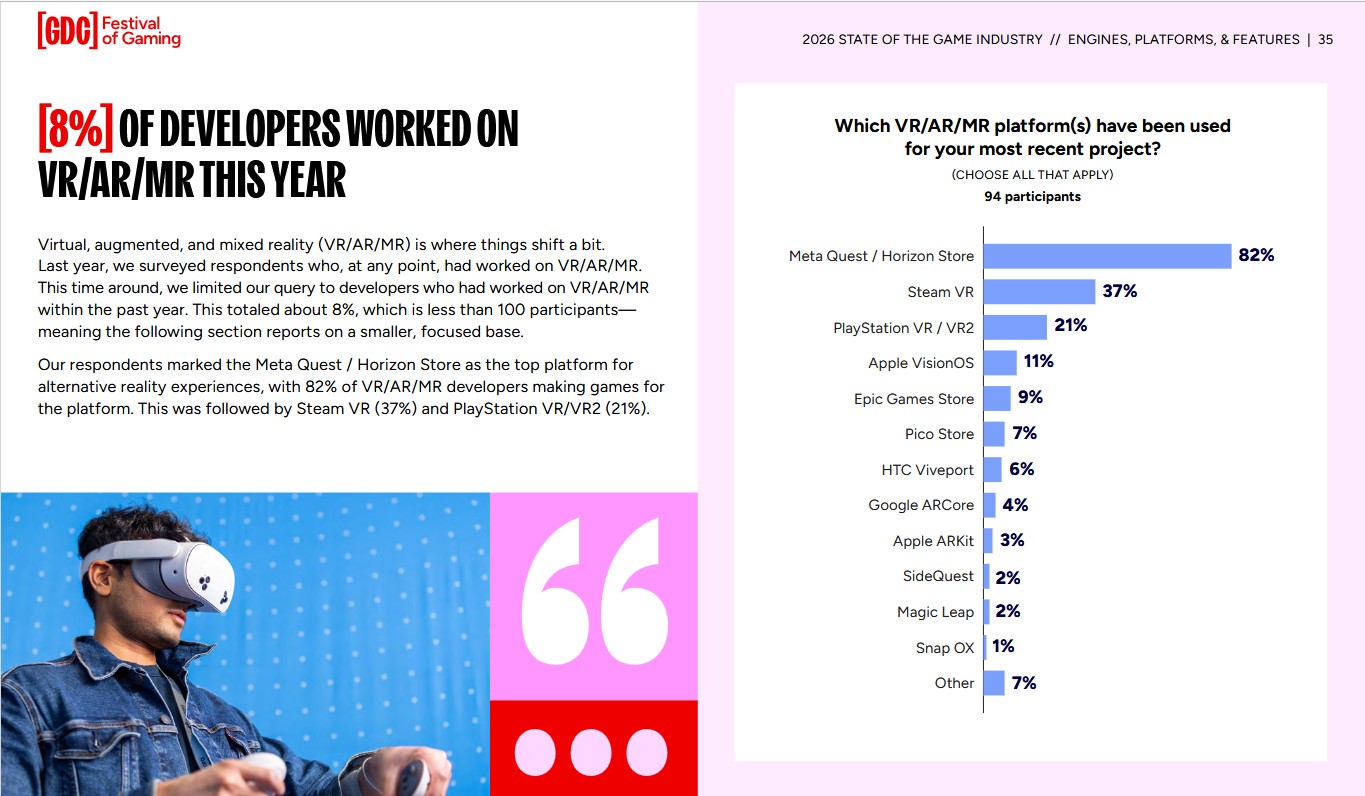
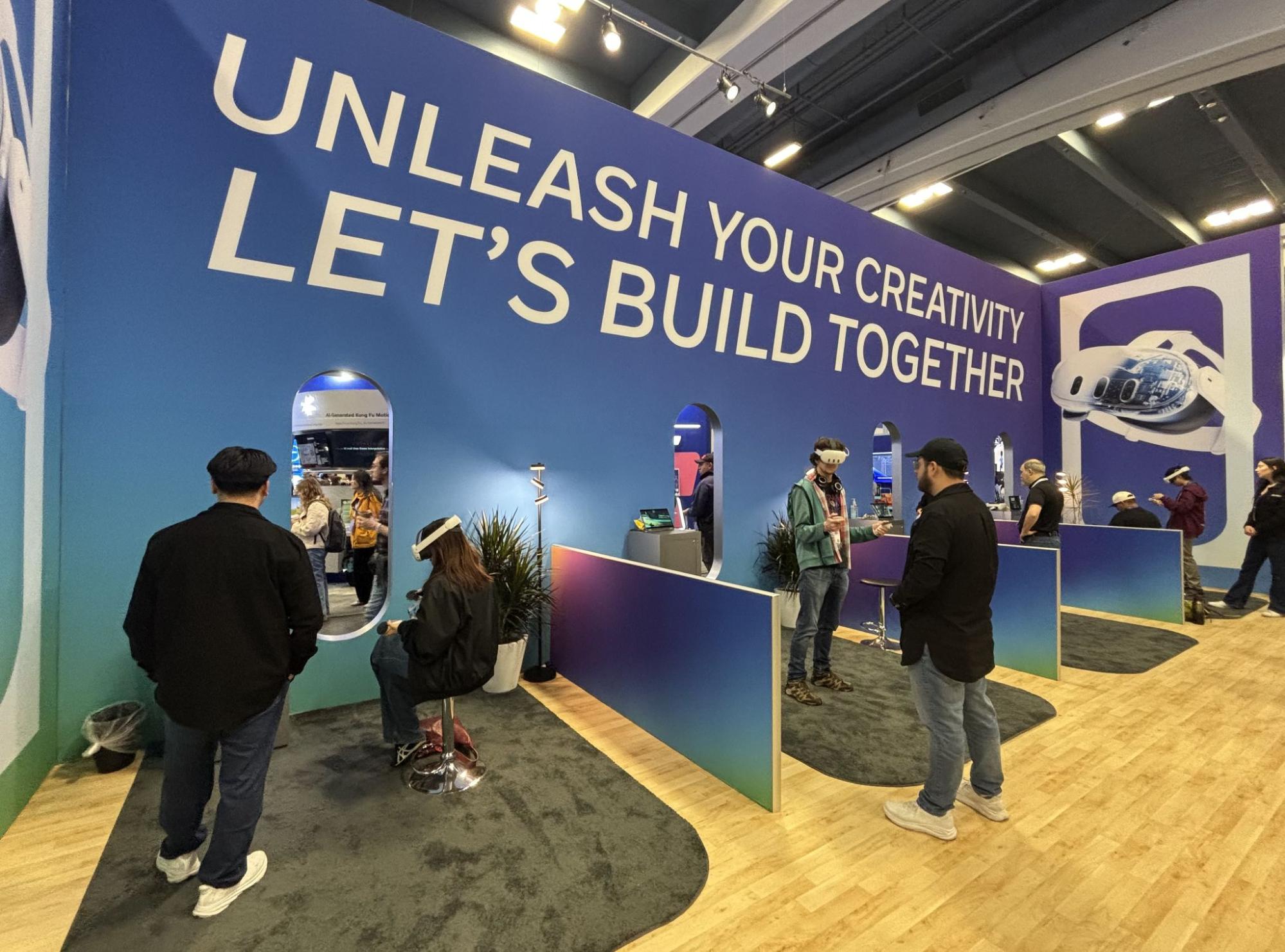
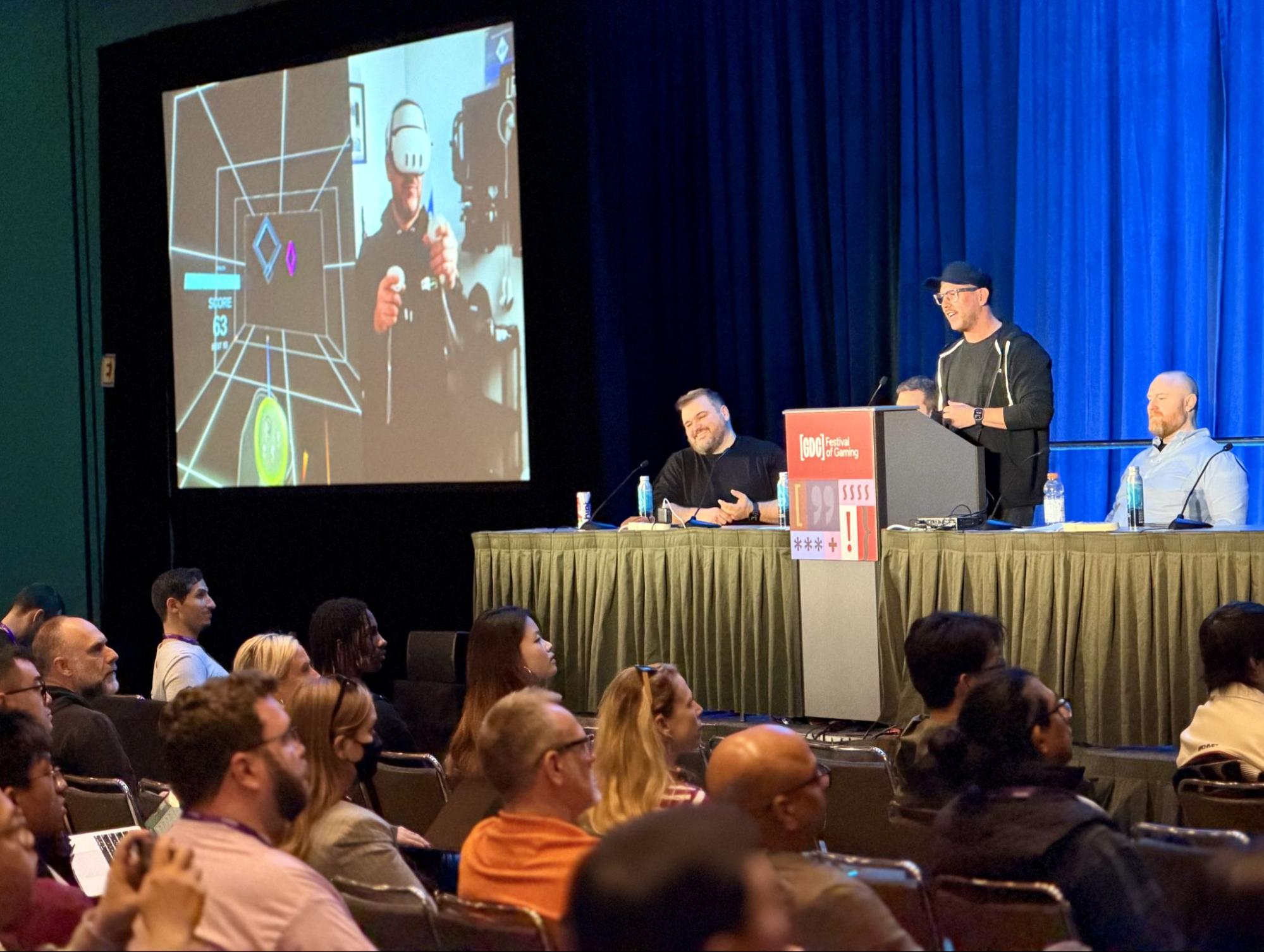
Alongside rather defensive justifications for this pivot, Meta’s GDC presence primarily highlighted improvements to Horizon OS, discovery/store mechanisms, and developer workflows. Pico presented a GDC session vaguely announcing its upcoming XR headset “Project Swan” and the more tangible release PICO OS 6, including graphics performance, multimodal interaction, and a toolchain for spatial computing workflows.
Valve used GDC to explain the “Verified” requirements for Steam Machine and Steam Frame, thereby setting early technical guardrails for its upcoming VR and Steam hardware ecosystem. There was no new information on release timing or distribution, as the current rise in component costs continues to undermine planning reliability.
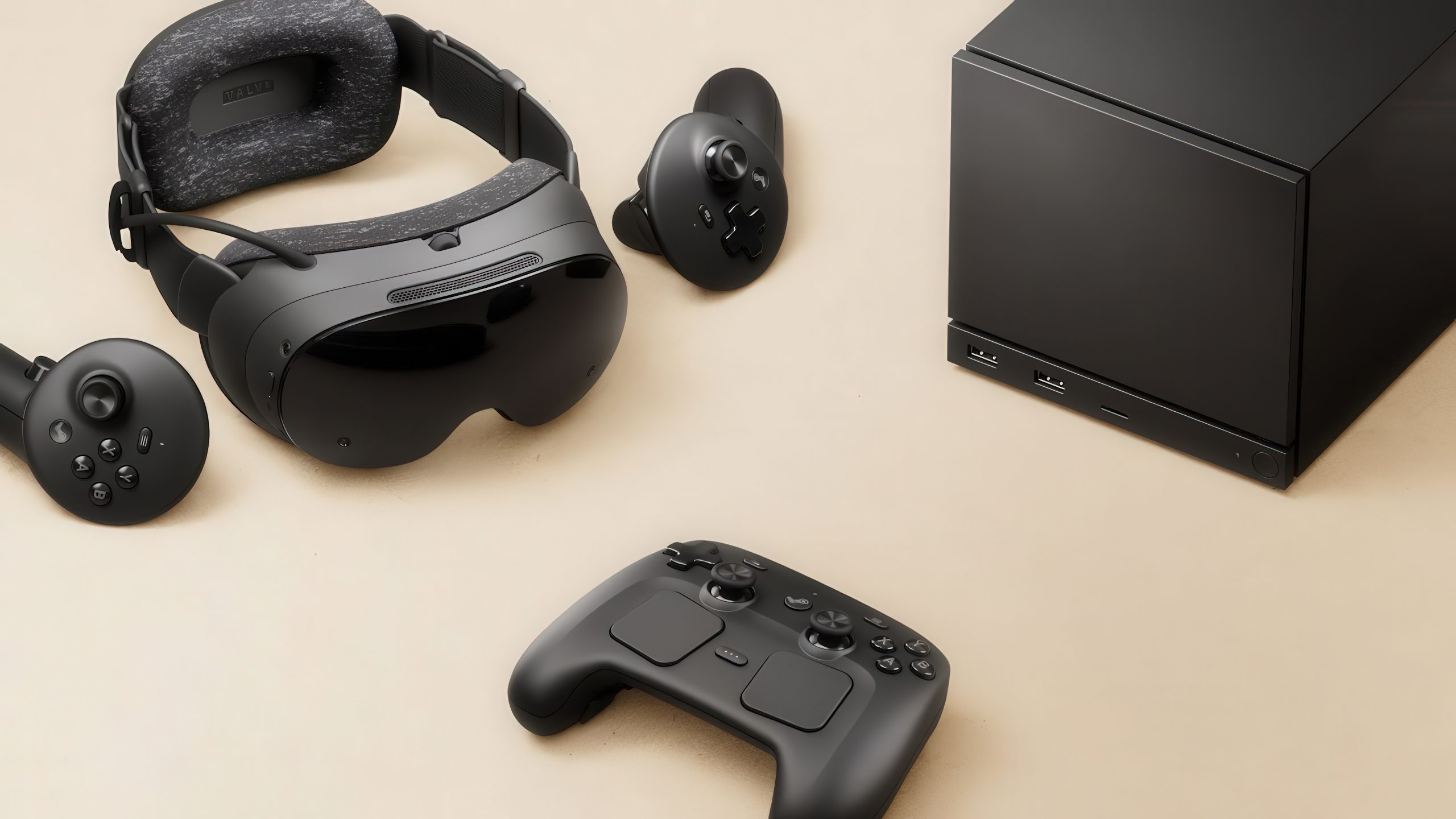
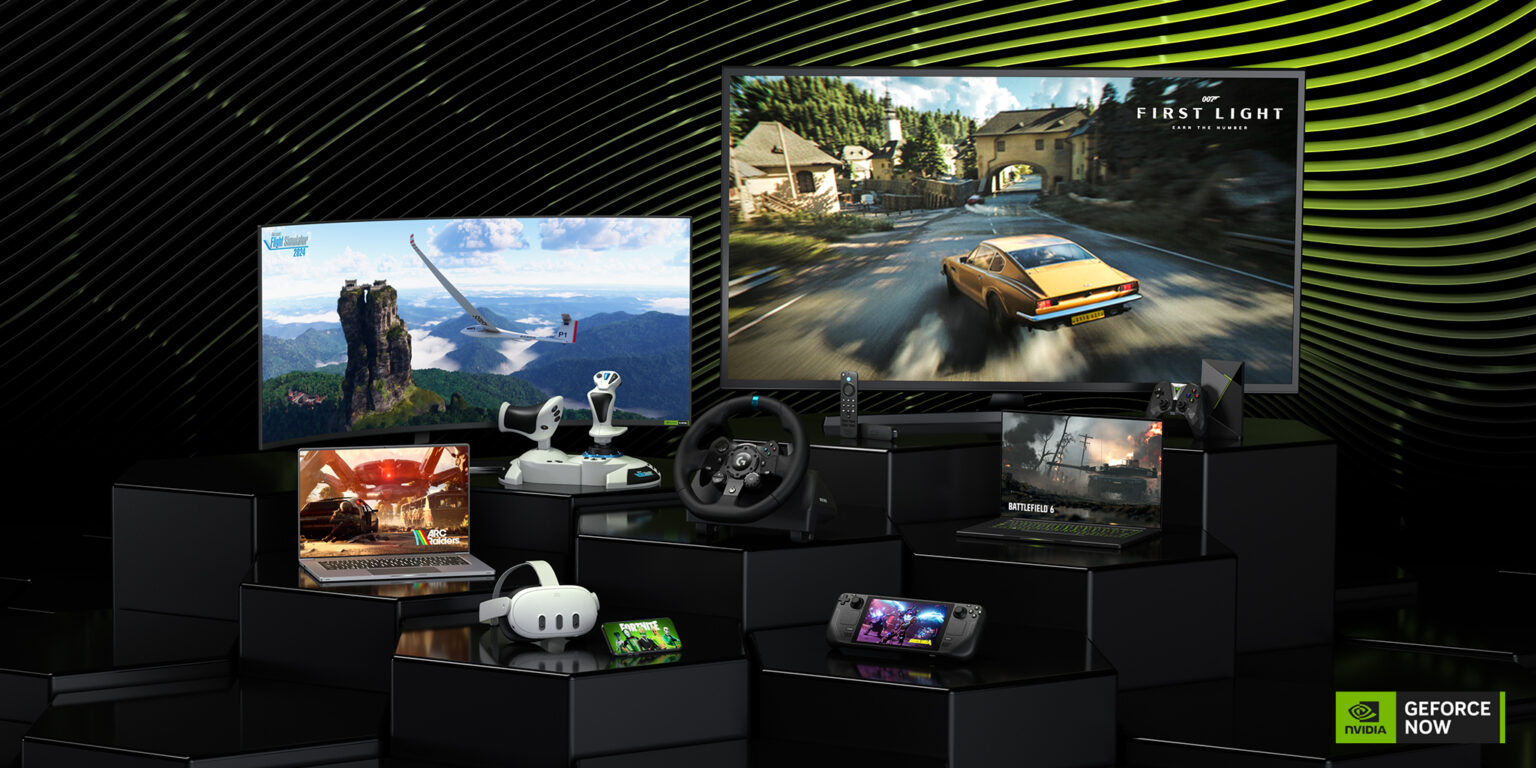
For Steam Frame, the focus is on a “streaming-first” approach with additional standalone capabilities. This shows that Valve is positioning its VR device not just as a headset, but as part of a broader Steam platform with clearly defined quality standards. Nvidia also announced VR streaming for GeForce NOW for Apple Vision Pro and Meta headsets, which could reinvigorate the PC VR segment and compensate somewhat for the declining momentum in mobile VR.
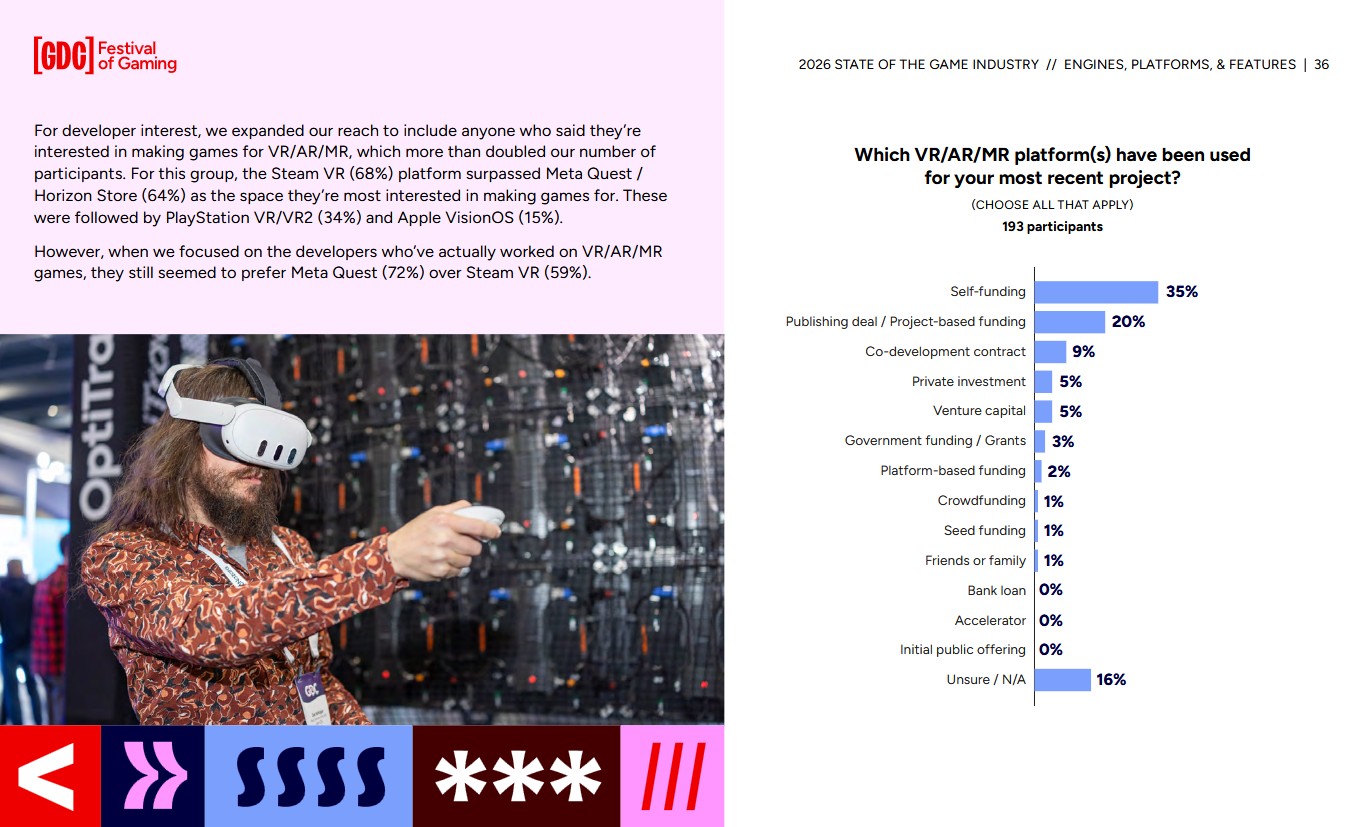
The most important message for developers was that VR/XR is being treated less as an isolated niche and more as a platform with tools, distribution, and monetization. This points toward a stronger emphasis on hand tracking, mixed-reality design, app discoverability, and porting existing content into spatial workflows. GDC 2026 portrays a games industry that is focusing more on efficiency, platform lock-in, AI-assisted production, and technical quality than on pure spectacle announcements. There were no groundbreaking innovations, but rather sporadic novelties against the backdrop of an economic, technological, and strategic stagnation phase.
