
A MAZE. 2026 once again expanded its vibrant platform for games, art, XR, and digital performance, growing the physical festival in Berlin-Wedding beyond a single site into a wider urban network and creating a connected cultural space for experimental media. Looking back at its 15th edition, the festival’s original focus on independent games has steadily broadened into an open “playful media” culture that brings together artists, developers, storytellers, interdisciplinary teams, as well as funding institutions, club culture, and experimental performance art.
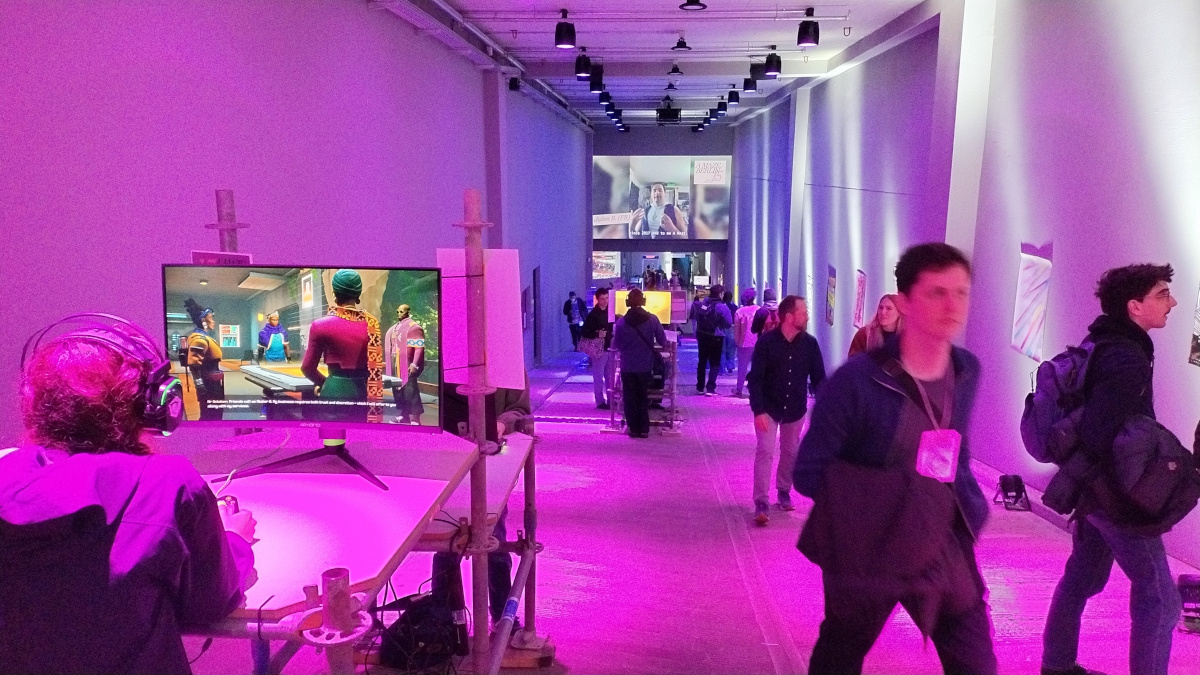
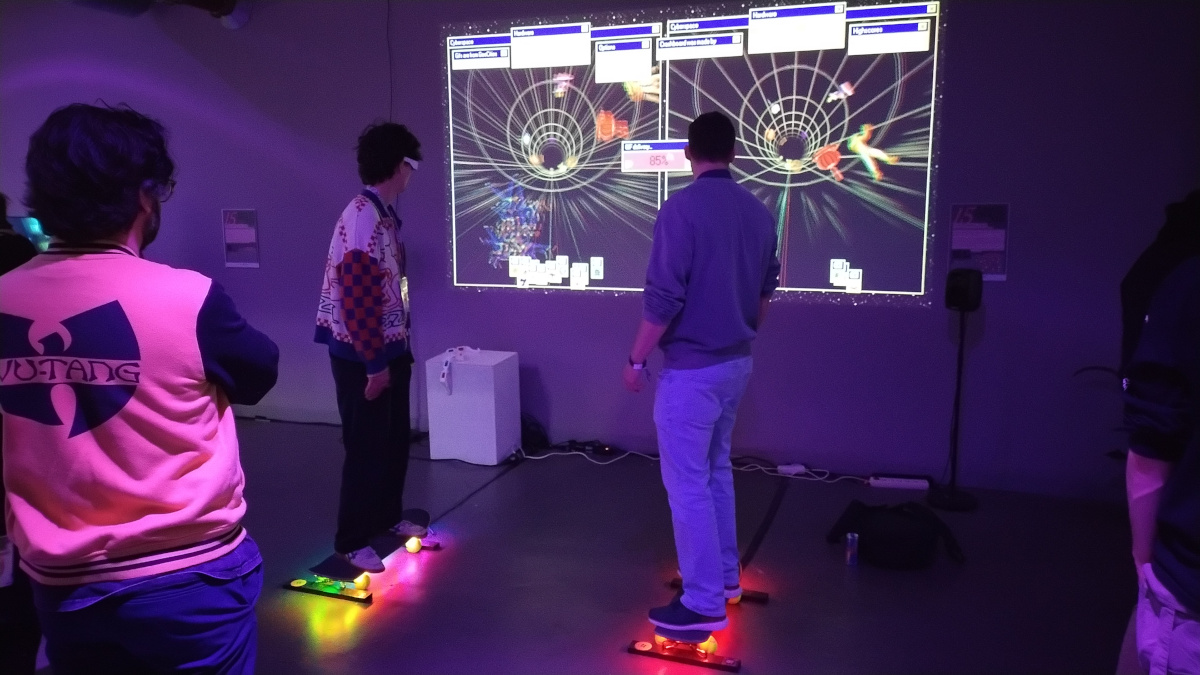
While traditional 2D indie games seemed to outnumber the 3D productions in the expo hall, the most visible shift was toward artistic virtual reality, immersive installations, and experimental hybrid formats. Alternative controllers and creative coding – often linked to political realities or minority topics – have long been part of the festival’s tradition. This year, robotics, multisensory installations, and multiplayer VR pushed gaming culture into new territory, with body controllers for animatronics, telepresence for tabletop séances, and group-wired headset setups for collectively exploring cultural heritage rituals.
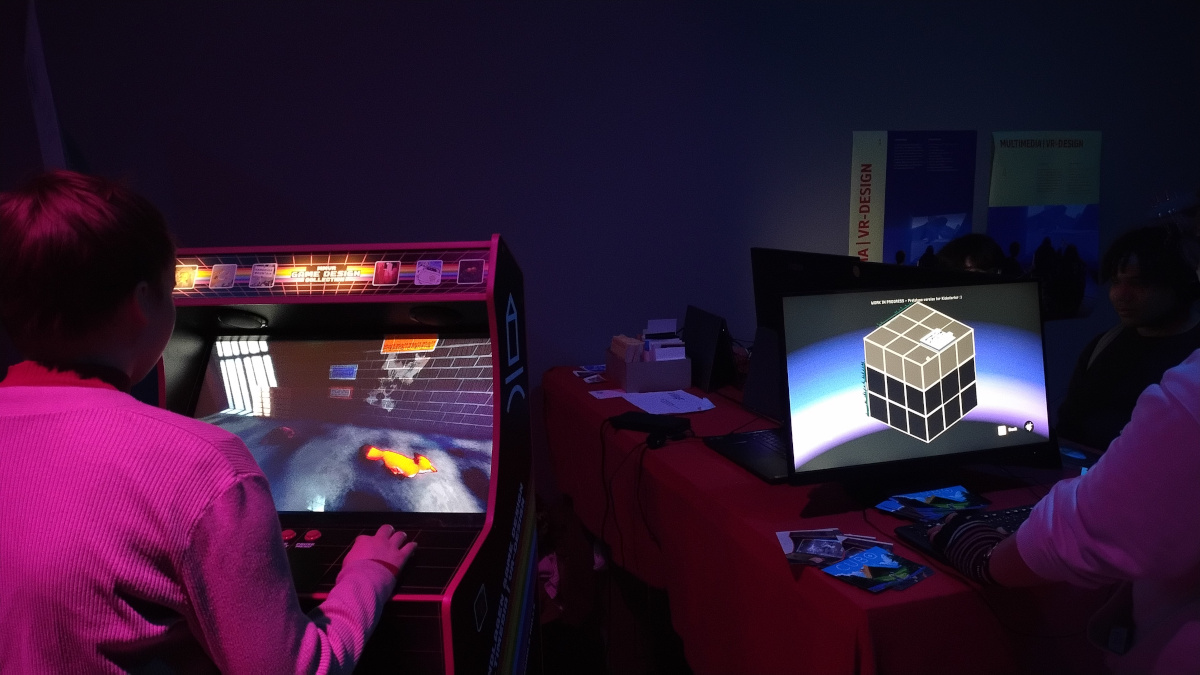
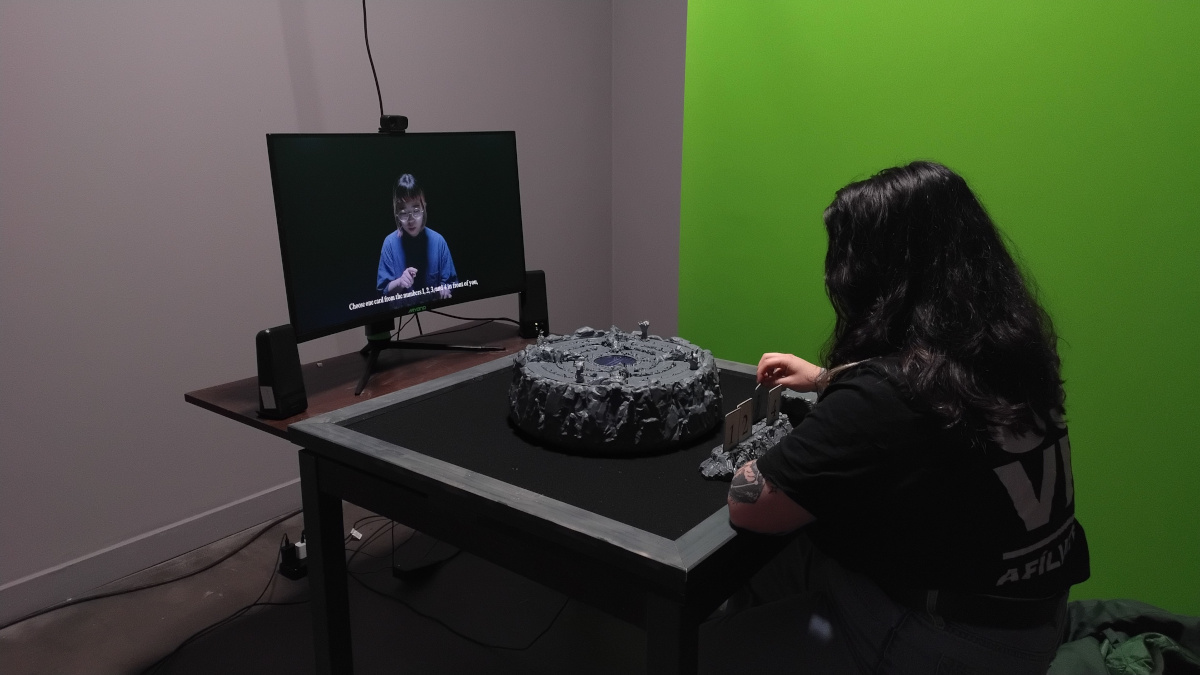
At the same time, the festival reflected notable shifts in the industry: the 2D retro wave may indicate a change in engine preferences, moving away from mainstream standards toward emerging challengers and open source solutions. In parallel, 3D gaming is expanding beyond flat screens into spatial platforms, with dual production for traditional screen distribution and additional VR editions, often realized through proprietary custom engine hybrids.
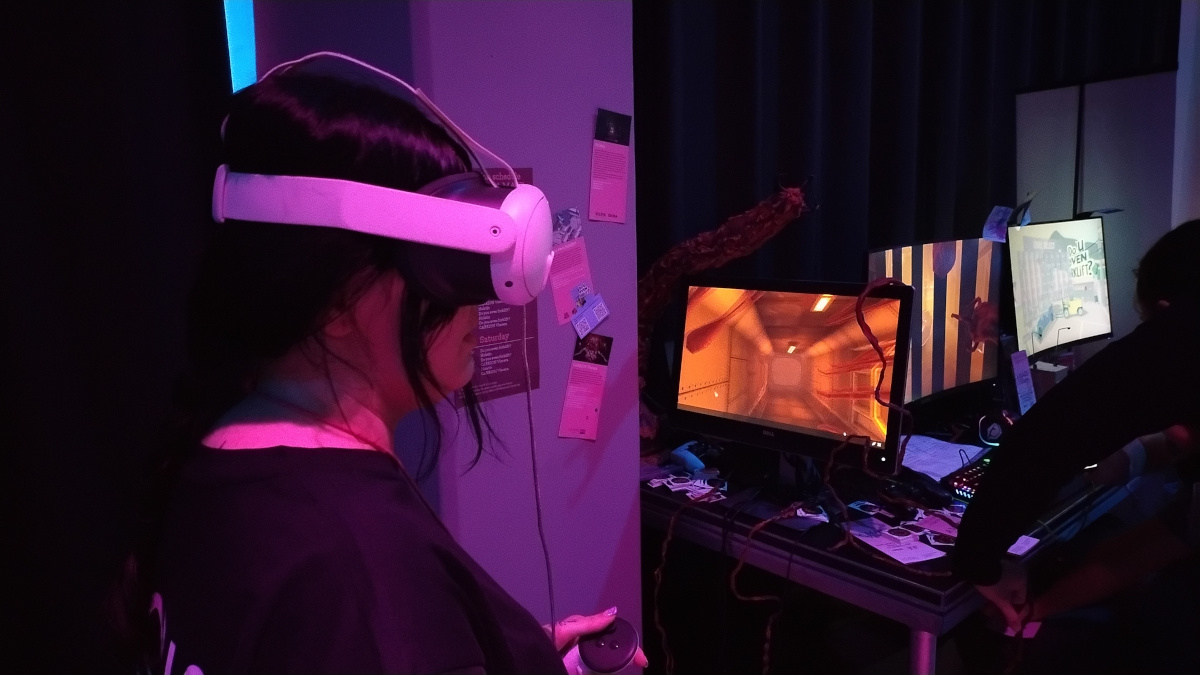
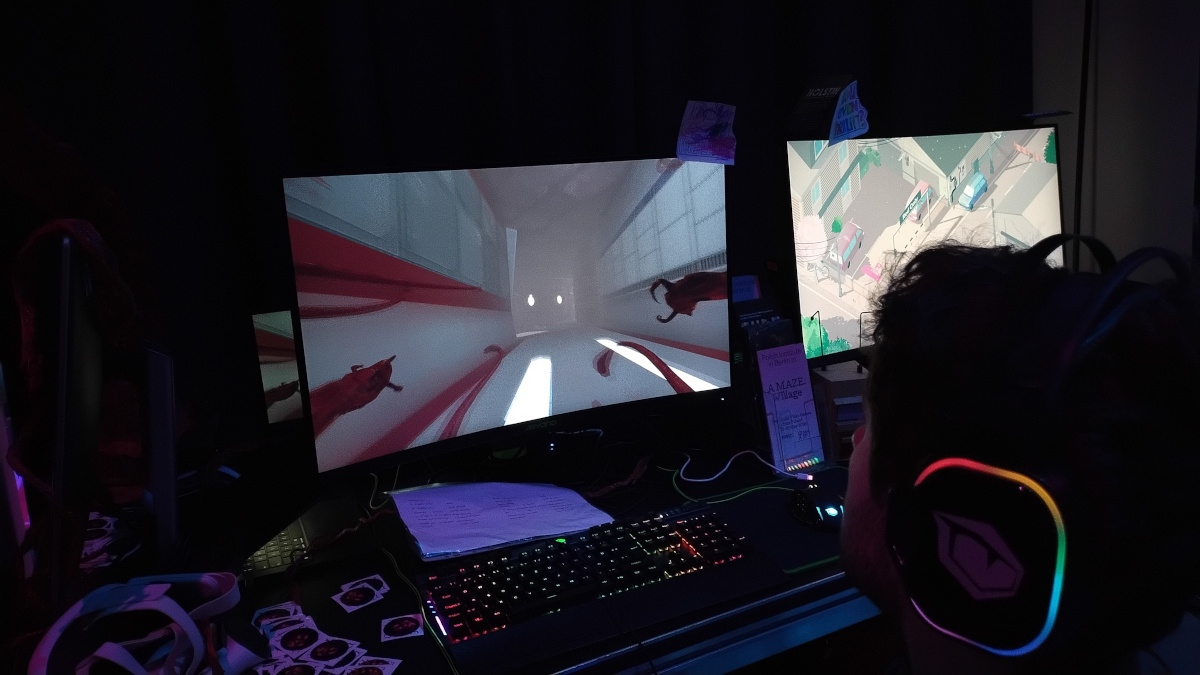
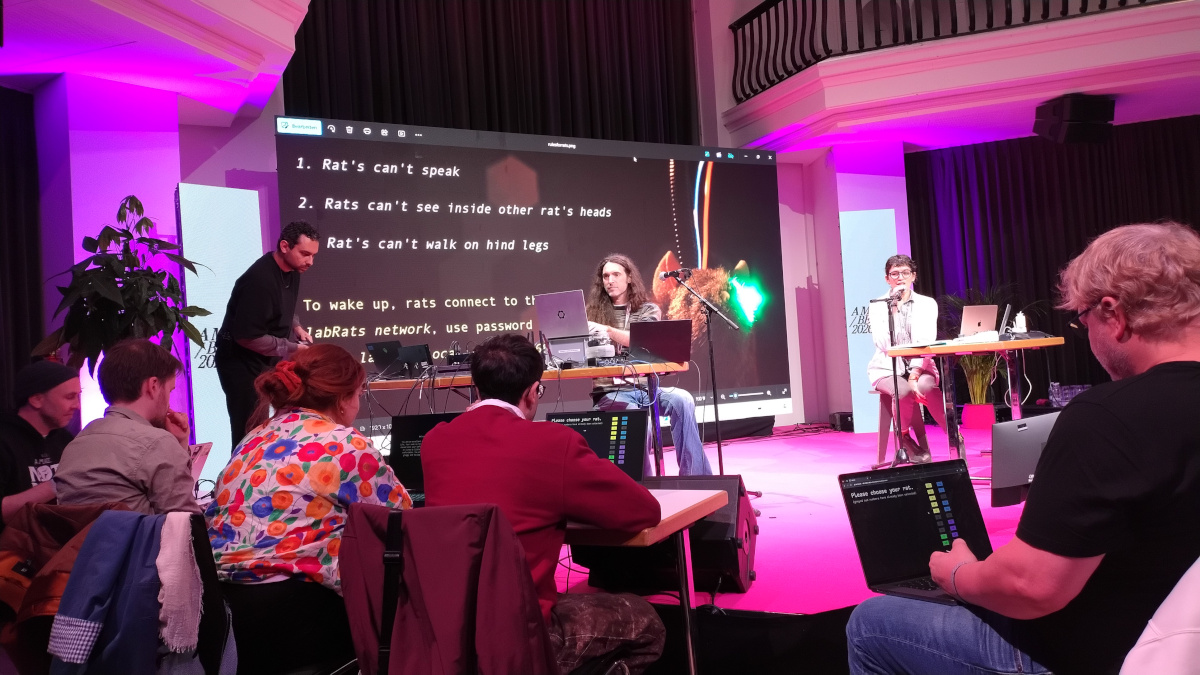
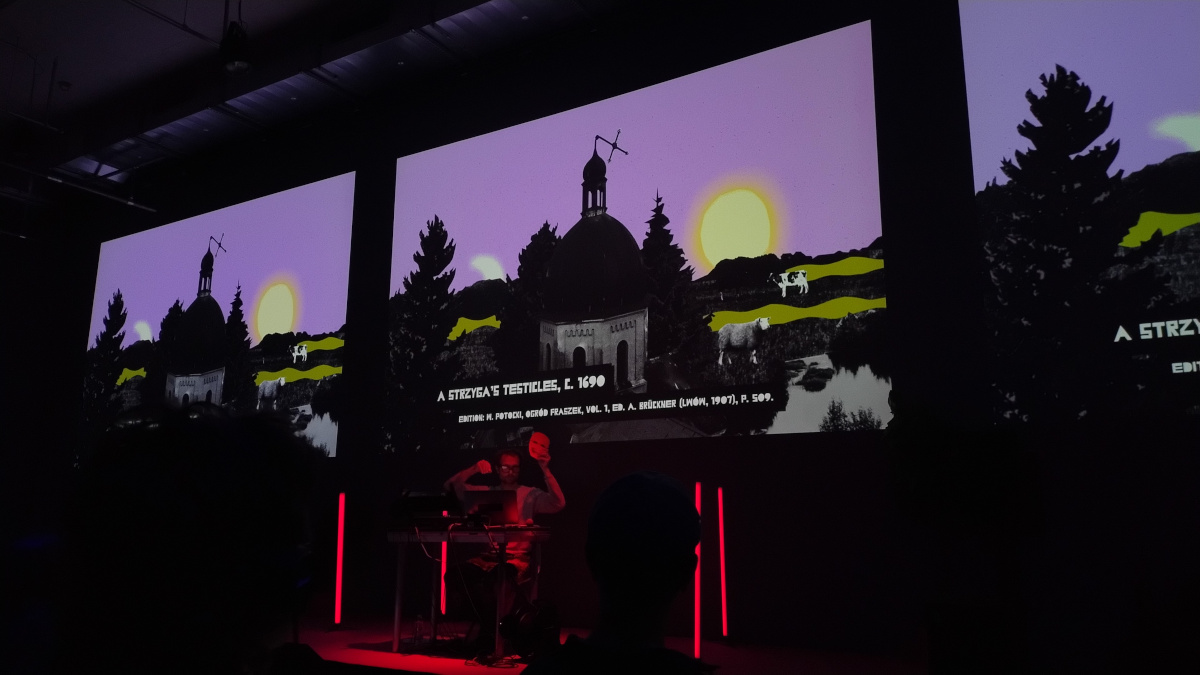
Beyond extending flat-screen experiences into spatial devices, another trend was the translation of gaming experiences onto the live stage. A musical performance presented a game soundtrack with multimedia projections and interactive audience participation, allowing the crowd to choose between day and night themes. In another case, a complete recreation of an online multiplayer text adventure took place as a physical stage performance, with distributed laptops on site enabling the audience to participate in the projected text-based play. In these cases, screen-based works became adaptable to other modes of presentation and participation, often strengthened by a more direct connection between makers and players.
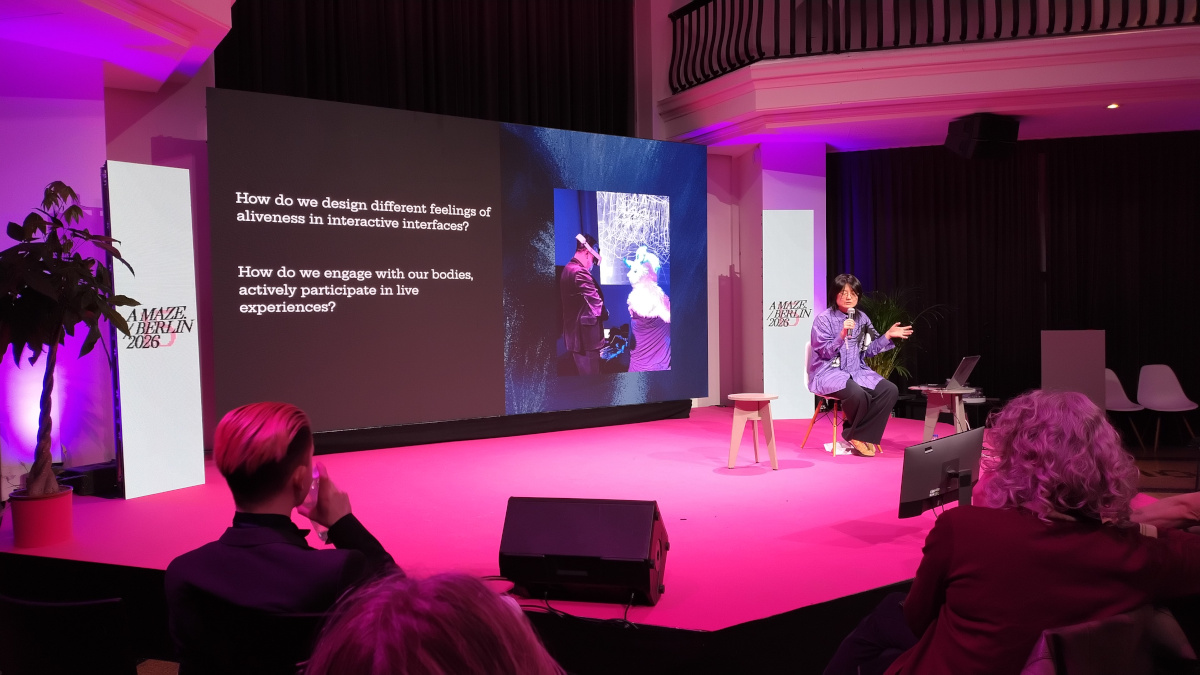
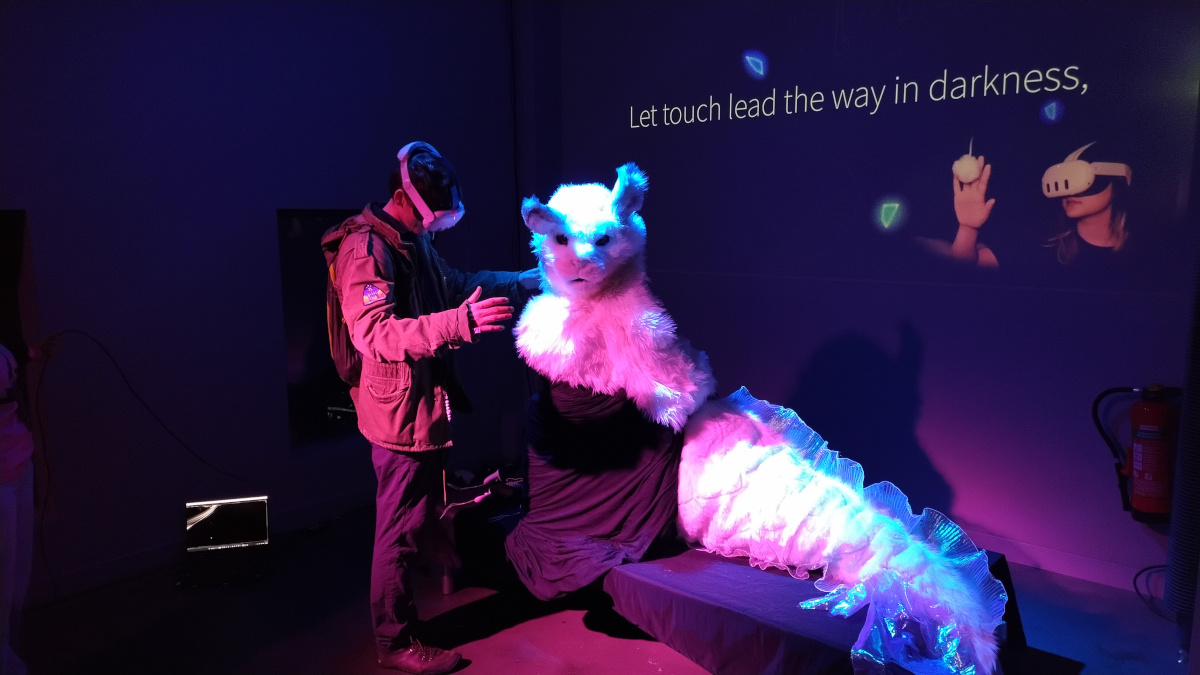
At the intersection of art and industry, A MAZE. 2026 signals to the art scene that immersive media are no longer a side topic but a distinct form of contemporary culture. For the industry, the festival serves as an early indicator of which tools and storytelling methods are gaining importance, especially VR worlds, hybrid performances, and experimental interaction models.
One major topic in both art and industry, however, was notably absent from lectures, presentations, and panel discussions this year: there was no mention of AI, nor a dedicated track focused on how to respond to this wave of transformation in digital media production. This may suggest a confident self-understanding as an artistic community already engaging with transformation creatively without explicitly naming it. It may also suggest a self-referential retreat into quiet ignorance to avoid controversy, even as expandability risks turning into expendability without notice.
