
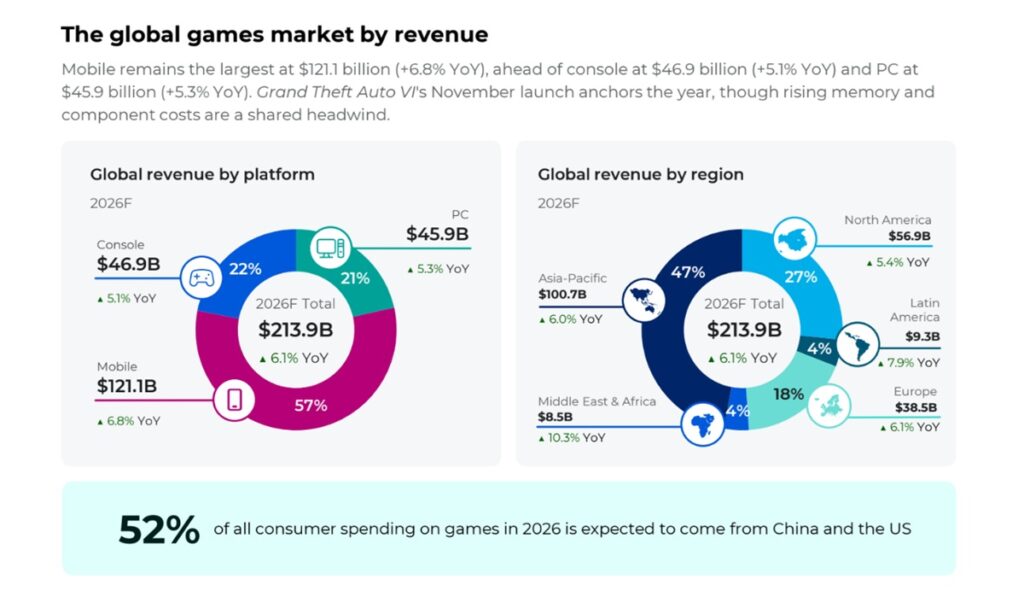
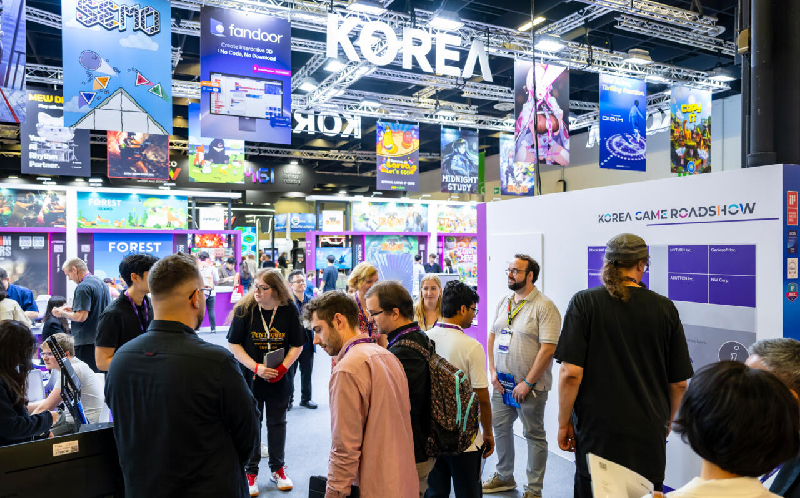
Gamescom 2026 in Cologne was an event of contrasts. With 368,000 visitors and 1,743 exhibitors from 66 countries, the trade fair broke records – yet key industry players were absent. While the halls were packed, visitors searched in vain for booths from Sony (PSVR2), Meta (Quest), or Rockstar Games (GTA 6). The event radiated success, but the underlying games industry is in the midst of a transformation crisis: declining revenues, rising development costs, layoffs, and a loss of player trust in live-service models.
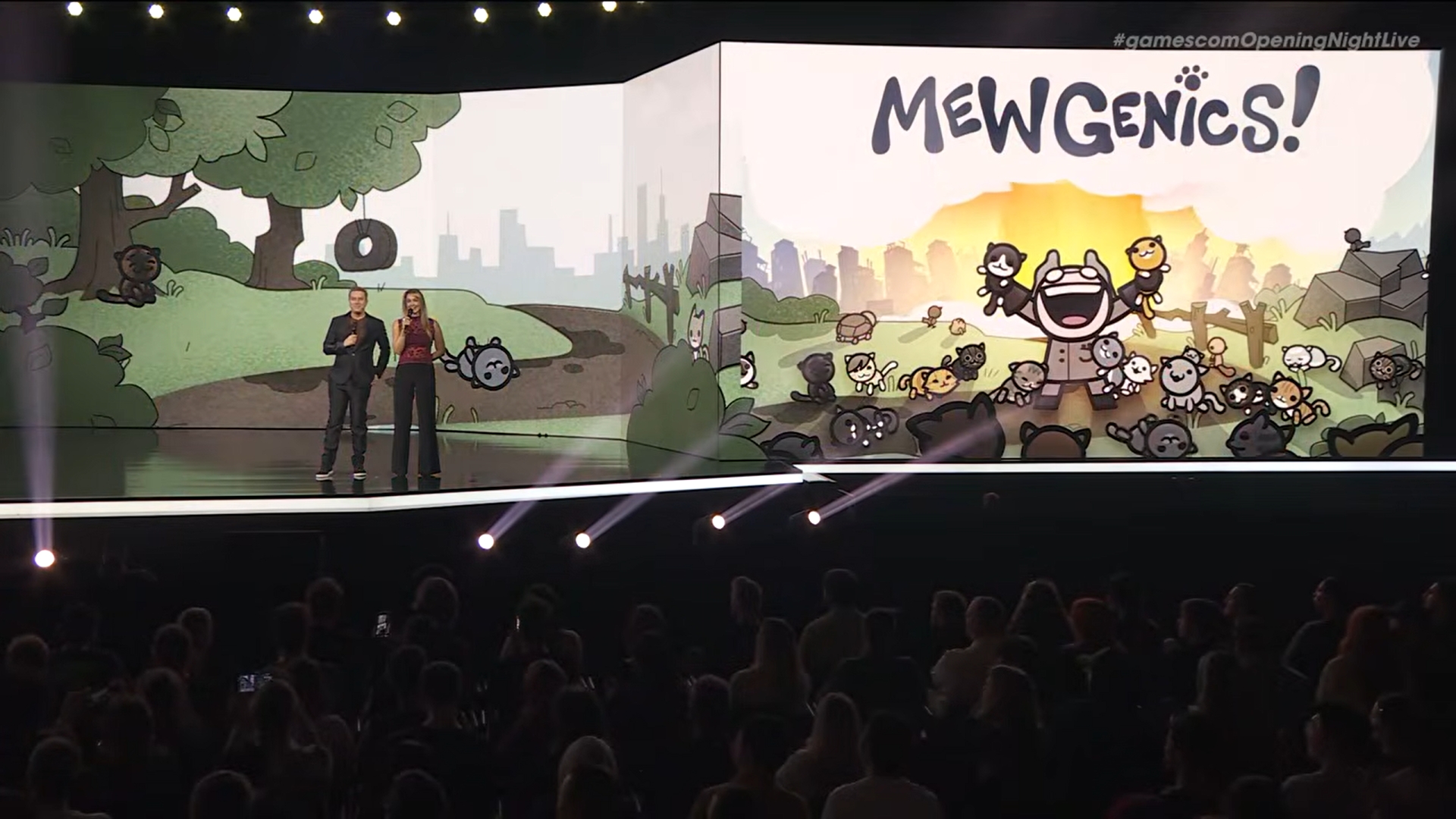
The Opening Night Live show already reflected this bridging situation: Major titles were announced only for 2027, while remakes and sequels dominated. The crucial pre-Christmas sales period is so blocked by the upcoming GTA 6 release in November that current offerings have been postponed into next year – while Rockstar did not need the trade fair as a marketing platform.
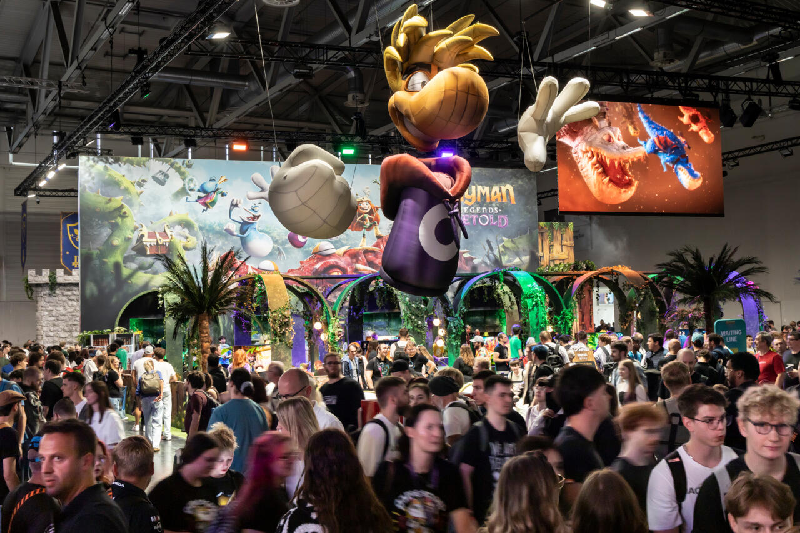
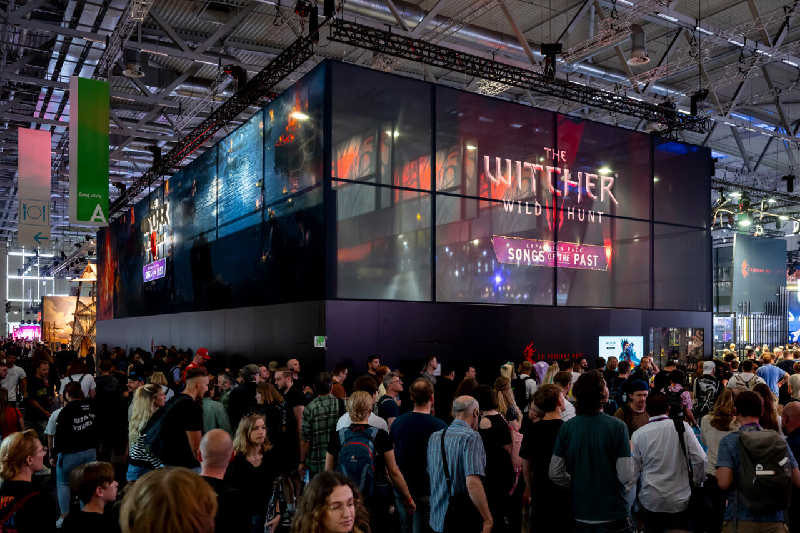
Despite GTA 6‘s absence, Gamescom continues to function excellently as a B2C event, reaching levels comparable to its pre-pandemic peak. While the core games industry is under pressure (revenue −3%, hardware −8% in H1 2026), marketing by non-endemic companies is thriving. For traditional publishers, the trade fair is increasingly becoming a rental platform – they leverage its reach but invest less in their own presence. Value creation is shifting toward non-endemics, which view games as access to a young, digitally engaged target audience. Toy, automotive, food, and tech brands are gaining influence, while traditional games publishers are losing dominance.
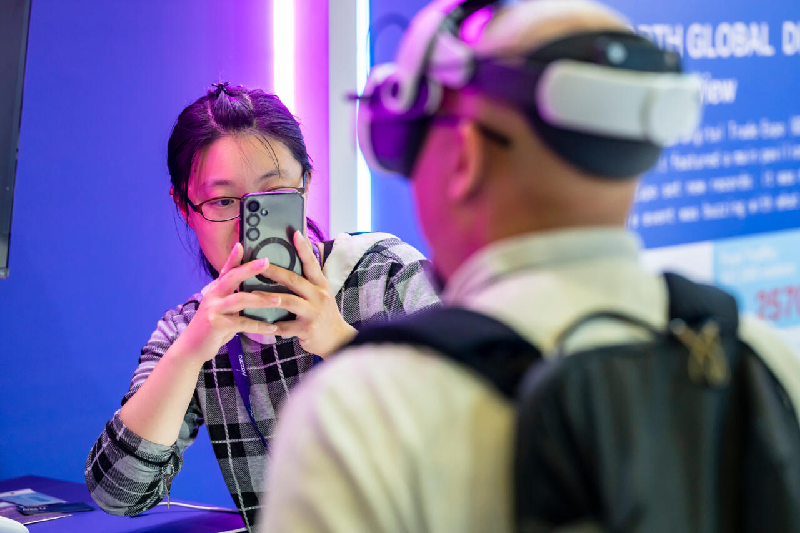
Games are increasingly recognized as a tool for societal impact. Gamification in education, politics, and the military demonstrates: games are not just entertainment, but also instruments for learning, training, and participation. Politicians acknowledge this significance – yet the implementation of support measures remains sluggish.For VR/XR developers, opportunities are emerging in the areas of serious games, B2B, and B2G applications. However, the VR/XR presence at Gamescom 2026 was limited: Apart from Google’s Aura glasses, hardly any new hardware was presented, and the few game productions took place in the visitor-distant business area. Here too, the trade fair reflects an industry in limbo: Following Meta’s withdrawal from subsidy initiatives, hopes now rest on Valve’s unreleased Frame headset, which could bring renewed attention – though sales expectations remain reserved due to rising component prices.
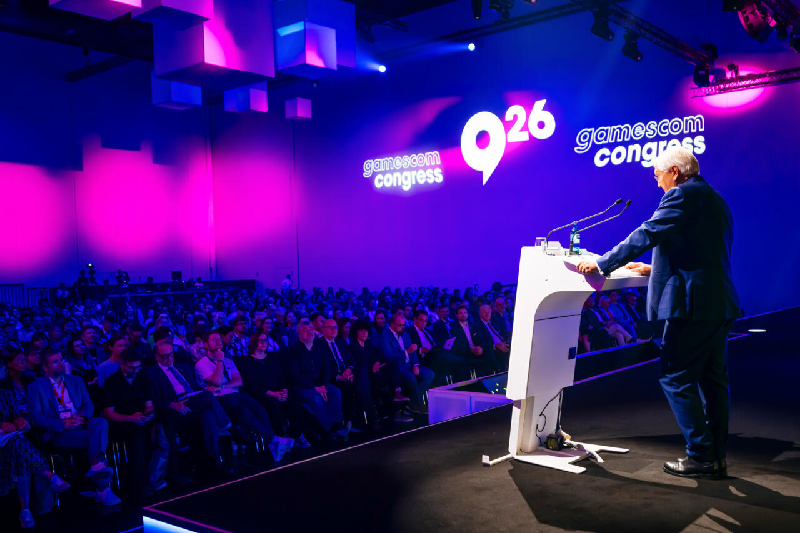
Gamescom 2026 was a mirror of upheaval: record attendance and marketing success stand in contrast to market contraction, the absence of major players, and an uncertain future. Yet within this contradiction lie opportunities: the industry is diversifying, experimenting with new models, and opening up to cross-industry collaborations. Gamescom remains relevant as a physical platform – but its future depends on whether it can connect B2C enthusiasm with B2B innovation, particularly for future markets like VR that can potentially be experienced there, even though their actual and factual perception remains too marginal.
Market research image by Newzoo; all other images by Gamescom/Köln Messe
