
CES 2026 signals a shift where Extended Reality and Artificial Intelligence form a shared backbone for both consumer and industrial innovation, rather than separate technology tracks. AI becomes the invisible layer that makes XR experiences context‑aware, spatially intelligent and progressively autonomous. XR, in turn, acts as a natural interface to complex AI systems, while tracking and sensor data from headsets and smart glasses feed spatial intelligence and digital twins.
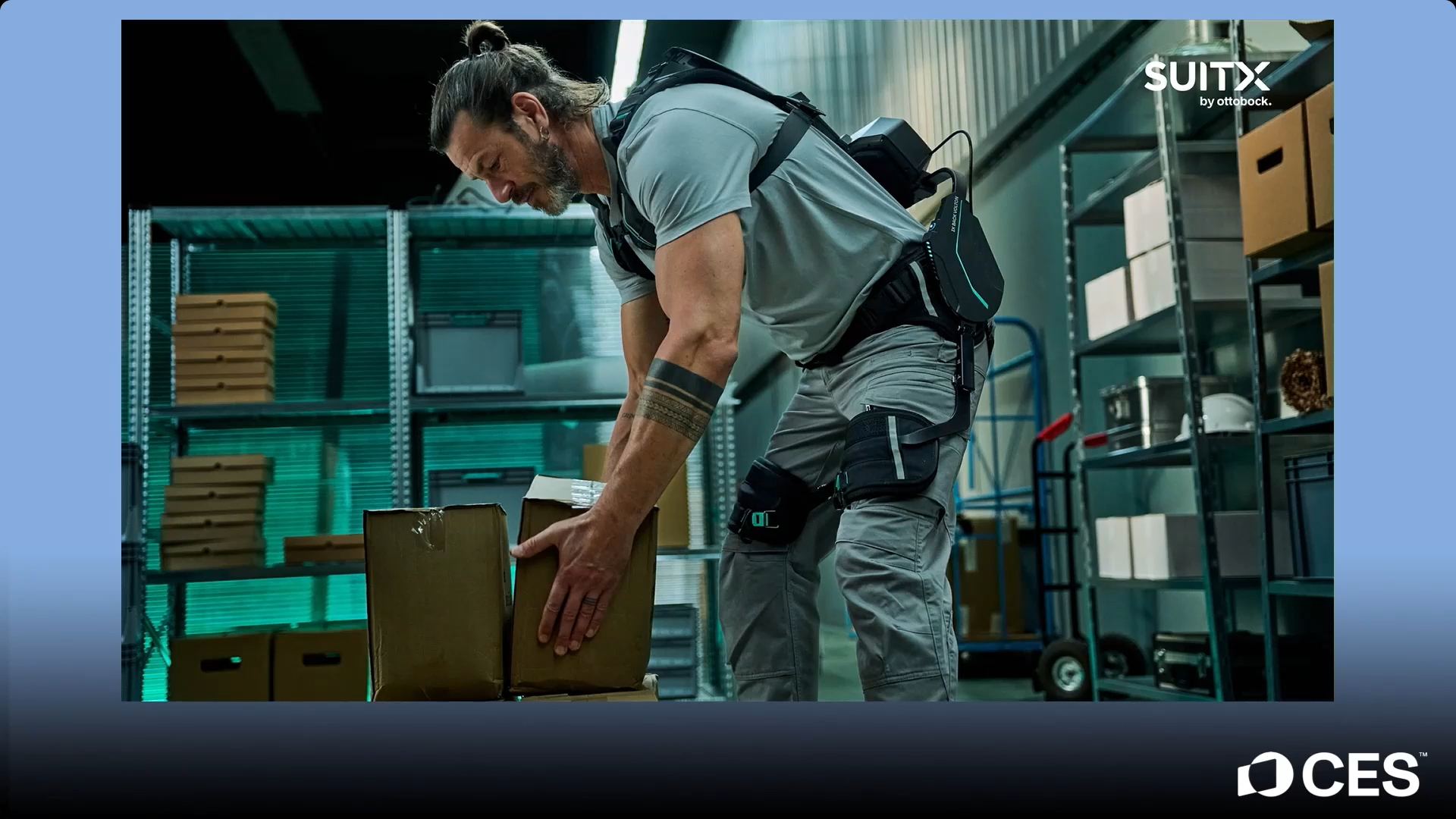
A core narrative of CES 2026 is “physical AI”: systems that perceive and act in the real world, from humanoid robots and autonomous home assistants to collaborative industrial robots. These machines rely on XR‑based simulation environments for training and validation, tightening the link between immersive worlds and real‑world automation. At the same time, “spatial intelligence” tools reconstruct interactive 3D environments from 2D data, accelerating development of virtual spaces and digital twins.
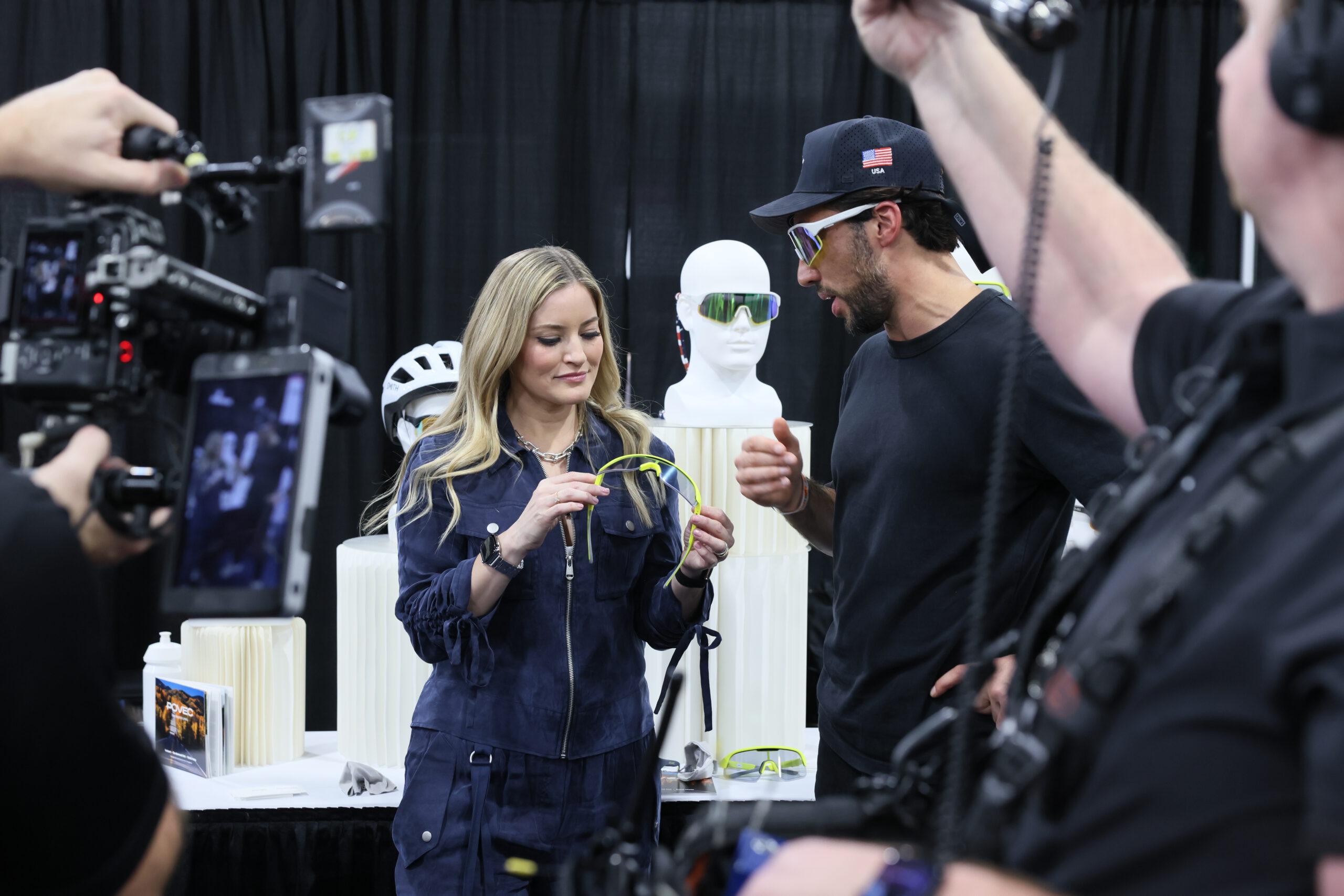
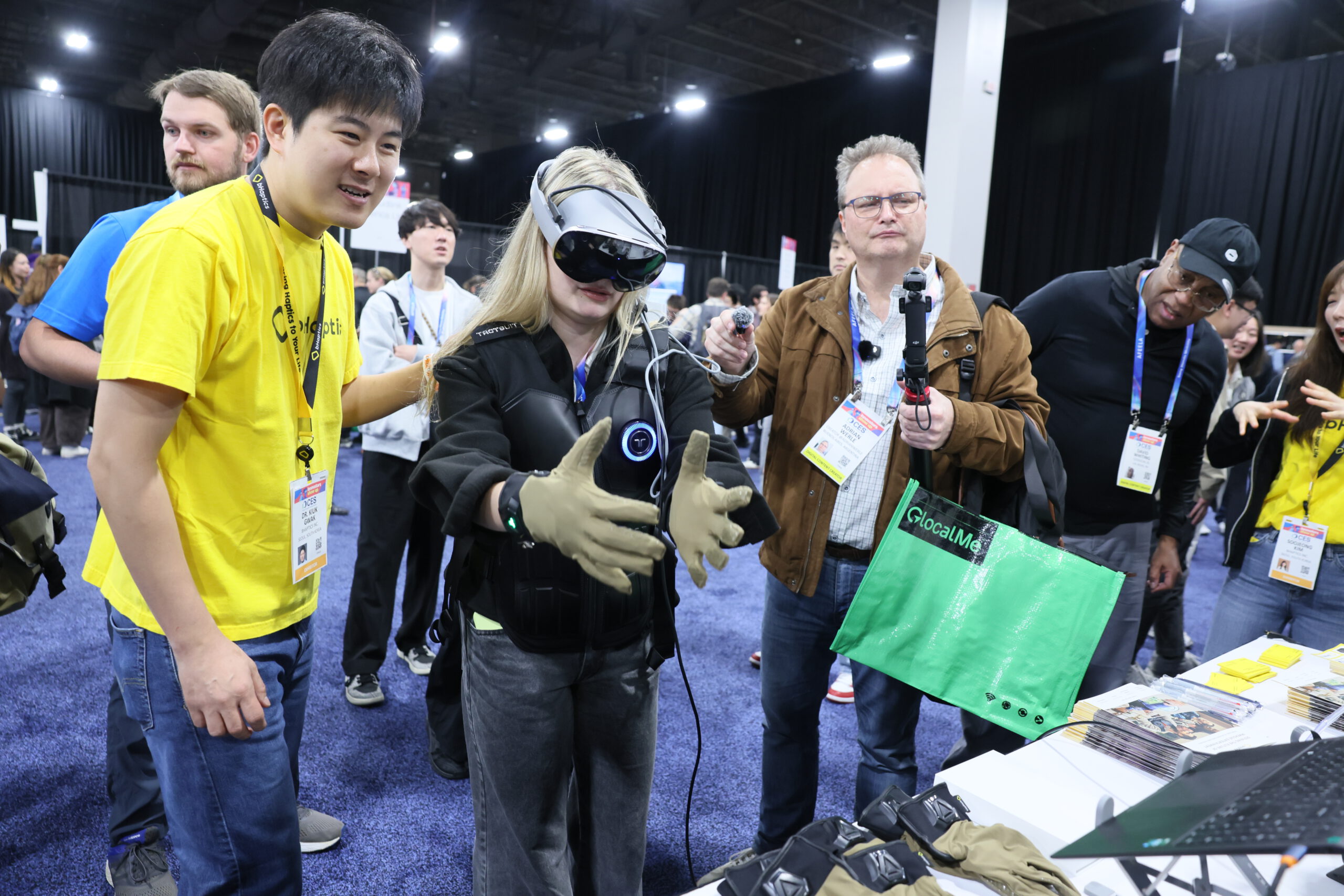
On the hardware side, the industry shifts toward a continuum between lightweight smart glasses and high-performance mixed‑reality headsets. Modular designs move compute and batteries off‑head to improve comfort, while new platforms such as Android XR deeply integrate AI assistants for real‑time speech, image and context processing. A new class of everyday‑ready devices targets navigation, remote support and subtle information overlays, with AI handling object recognition and adaptive spatial user interfaces.
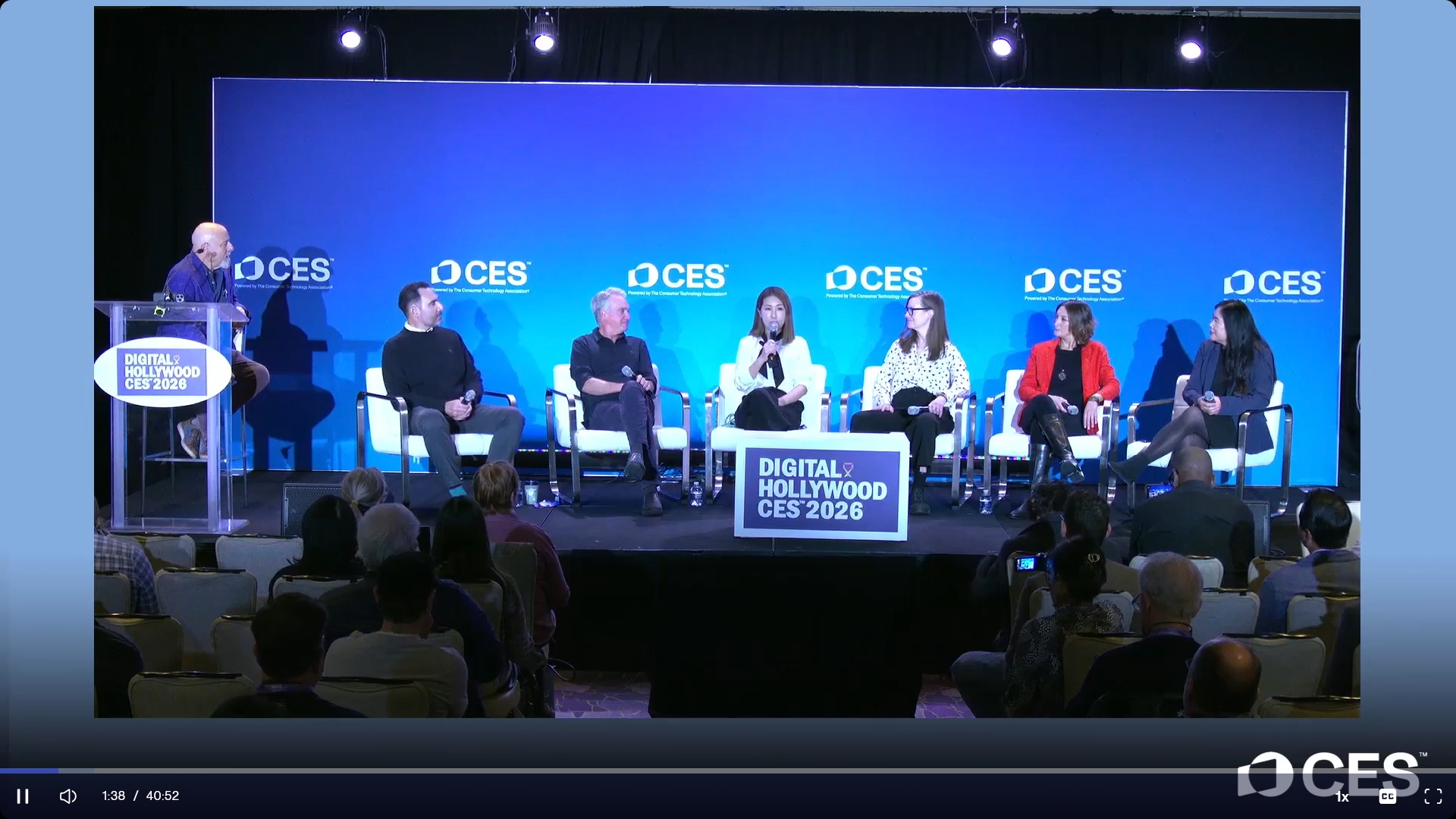
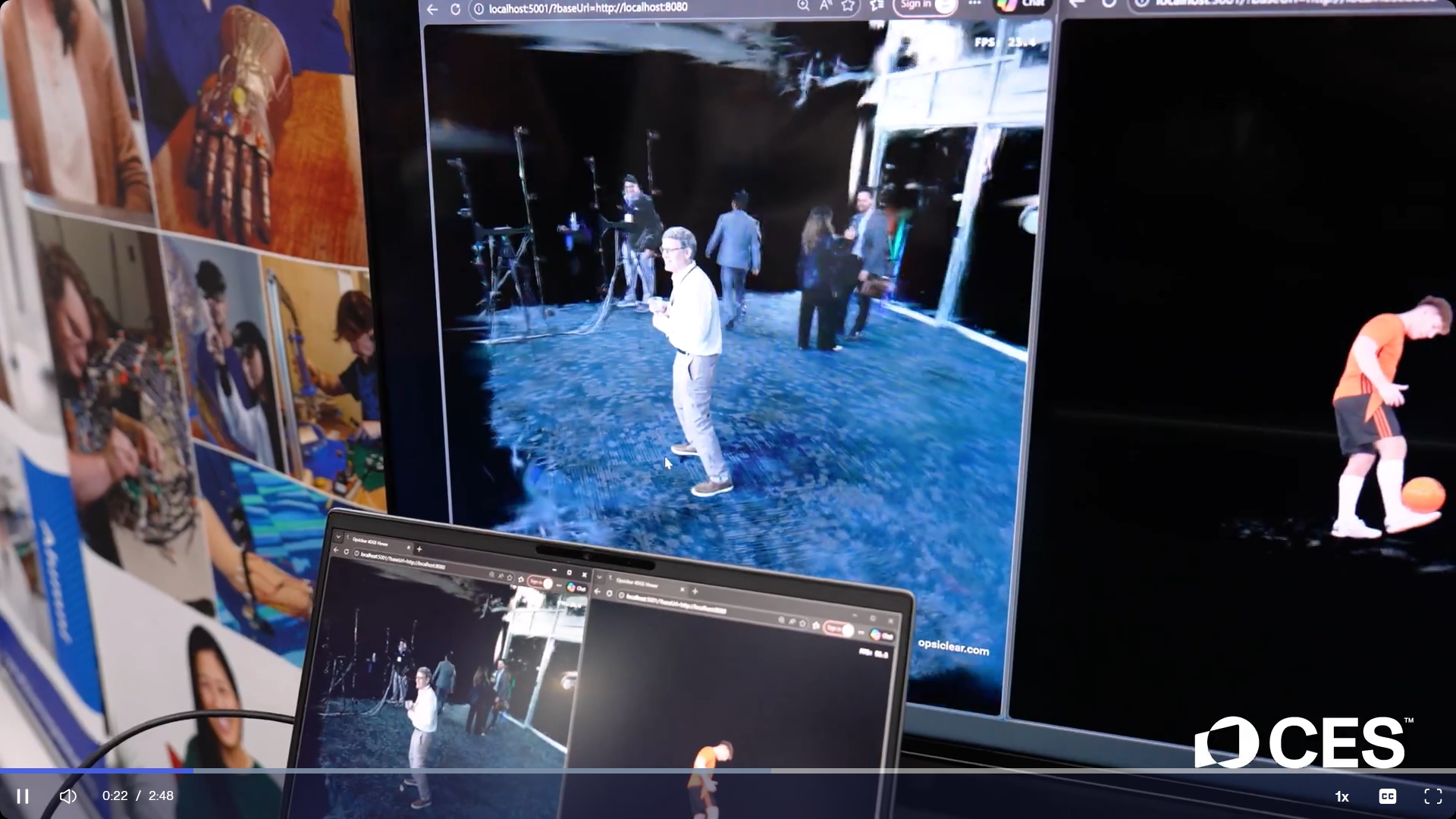
AI‑driven 3D conversion emerges as a key enabler, transforming existing 2D films, images and games into stereoscopic XR content with depth. Virtual Reality plays a pivotal role at CES 2026 as part of a broader move toward more practical, comfort‑driven immersive systems. Vendors emphasized slimmer form factors, improved optics, and integrated AI upscaling to deliver sharper visuals and more natural interaction. In parallel, enterprise solutions increasingly deploy VR for training, remote collaboration, and digital-twin visualization, positioning it as a core productivity and visualization tool rather than a niche gaming accessory.
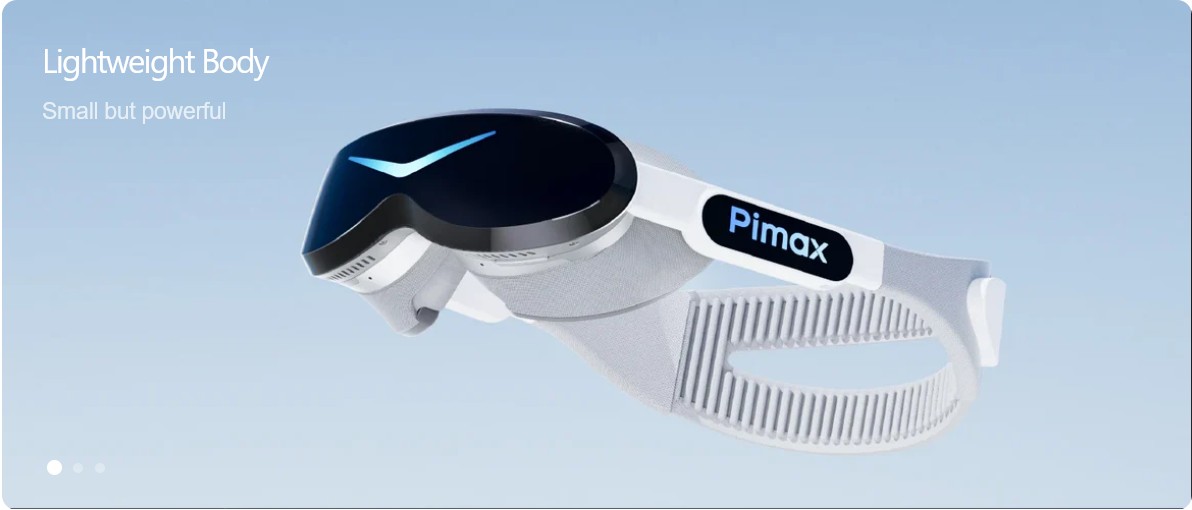
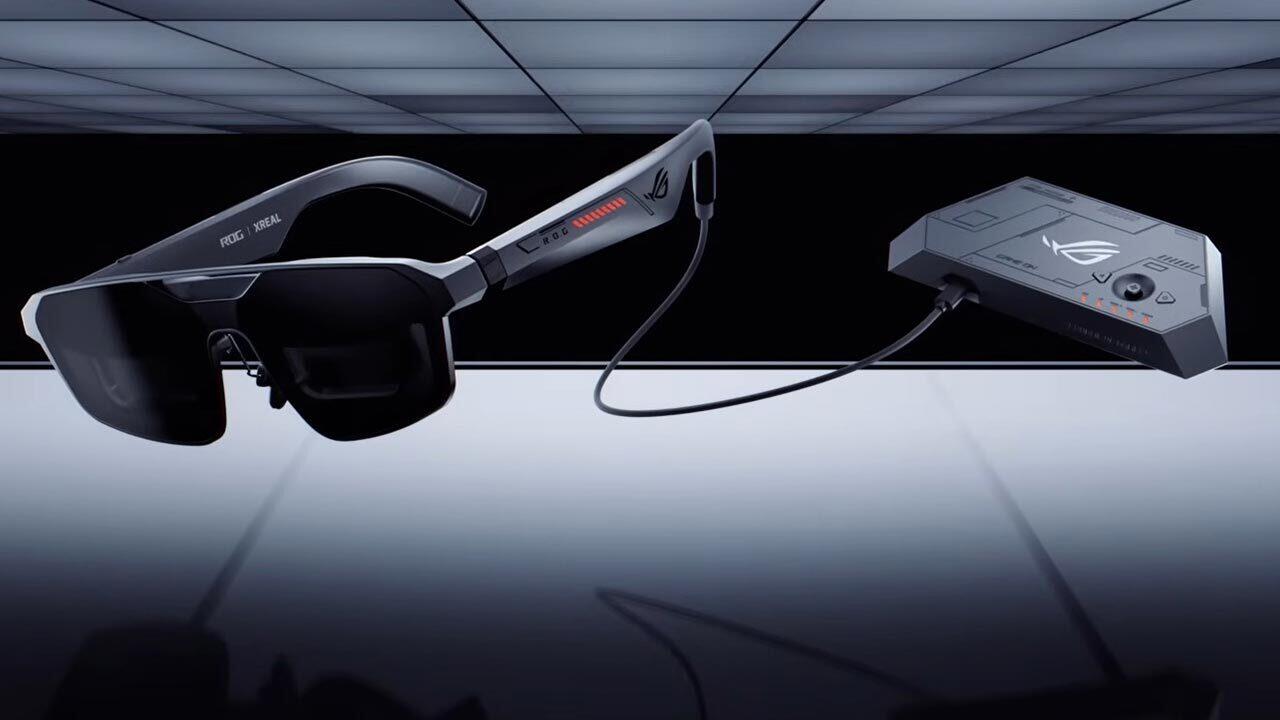
CES 2026 showcased a wide variety of smart glasses and display glasses aimed at consumer applications, alongside advances in glasses-free 3D displays and AI-driven ambient projection systems. The event also highlighted 4K micro-OLED panels and lightweight optical stacks as emerging standards for next-generation VR headsets, suggesting a renewed interest in streaming-connected devices over bulky standalone units. Nevertheless, enterprise-focused presentations dominated the show, marked by regressive consumption in economic recession and overcharged growth expectation based on AI. This was particularly evident in Nvidia’s presence, riding the AI wave with industrial applications and robotics while positioning itself heavily as a ‘simulation company’, either for historical reference, future perspectives or precaution against the dynamics ebbing away.
