
Nvidia used GTC 2026 to present itself less as a mere graphics-oriented GPU vendor, but as the architect of a full-stack AI and simulation platform that spans chips, systems, software, and reference ‘AI factories’. This core self-image rigged up on the corporate identity of a ‘simulation company’, expressed at CES earlier this year: virtual worlds and synthetic data are the training ground, while deployed AI systems act in the physical world as autonomous agents. Instead of focusing on training alone, Nvidia emphasizes ‘inference’ as the decisive phase where models continuously operate in production.
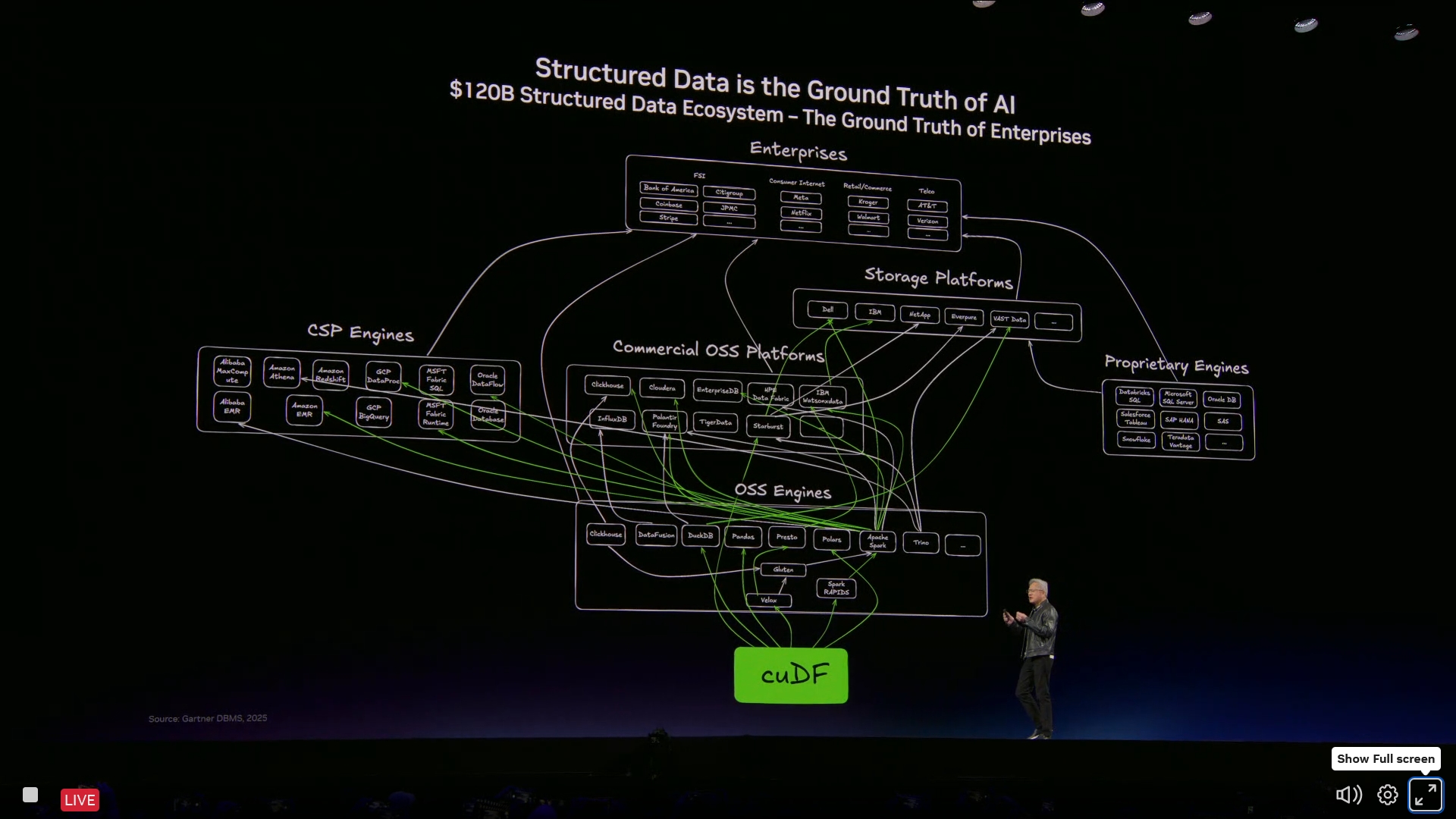
In enterprise IT, this strategy appears as a tightly integrated stack for ‘agentic’ and ‘physical’ AI: Omniverse generates simulated environments and data, Nvidia’s AI frameworks run and orchestrate models and agents, and the company provides blueprints for AI factories as a kind of new industrial infrastructure for knowledge work, automation, and robotics.
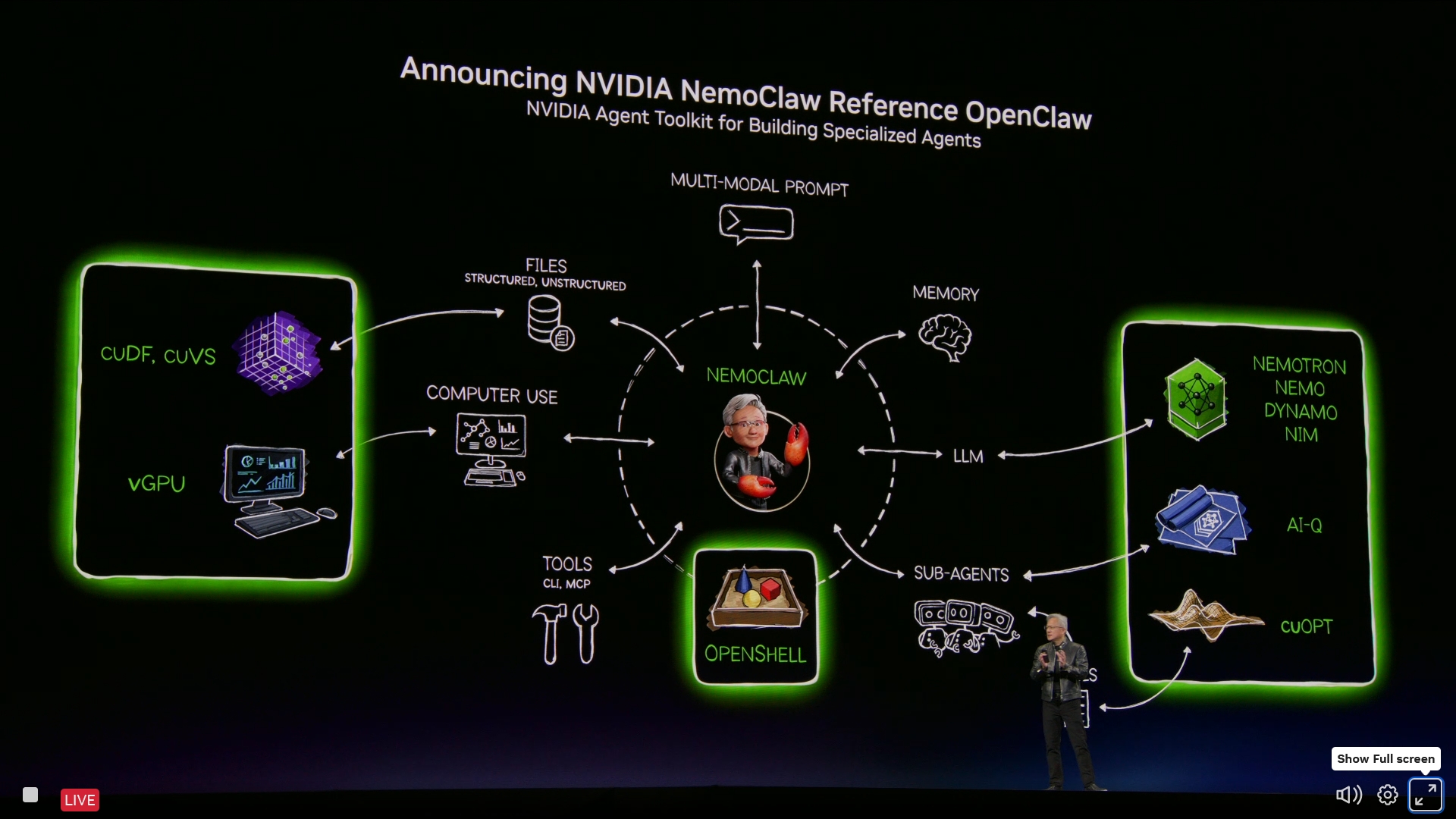
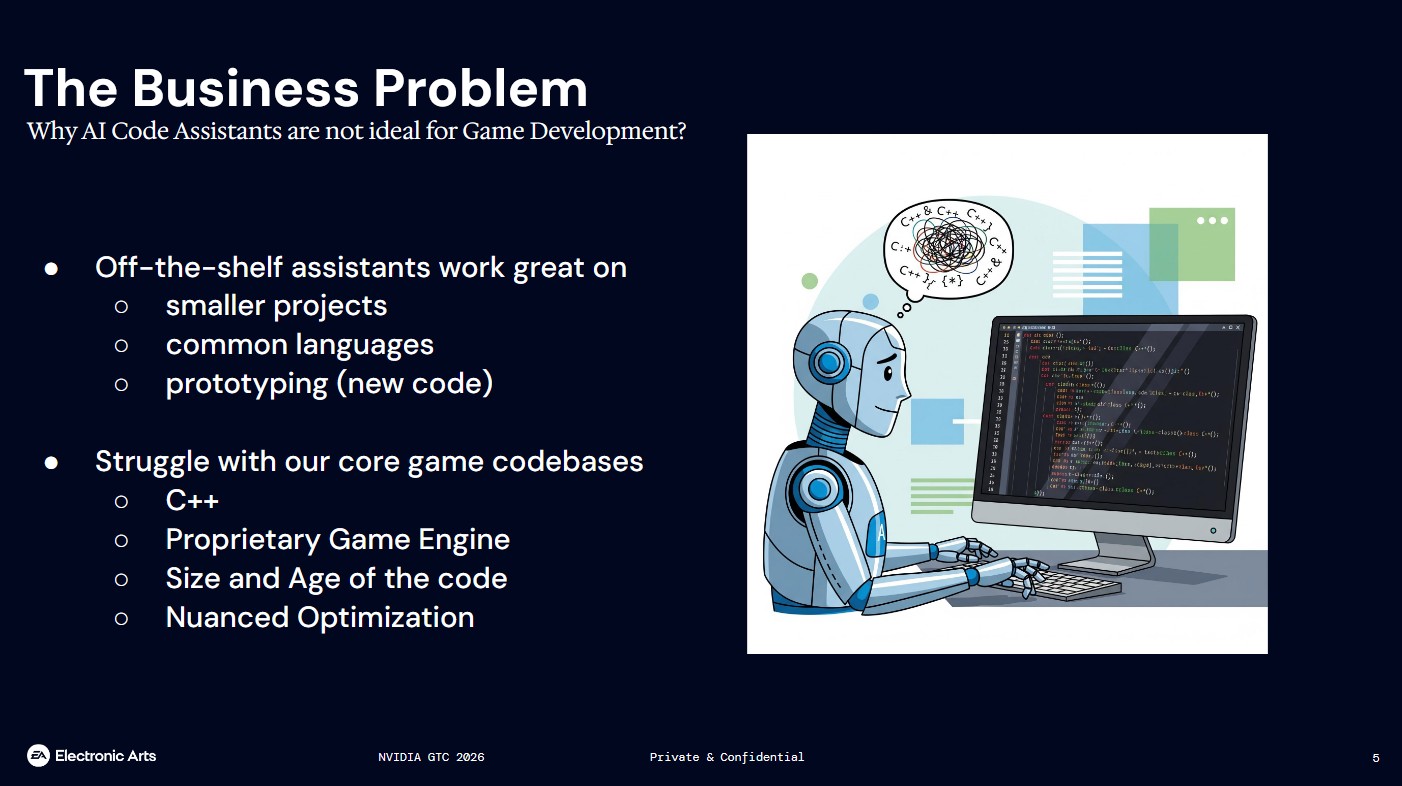
In software and agent ecosystems, an OpenClaw integration represented how Nvidia wants to standardize long-running AI agents: they plan, call tools and APIs, and operate across business workflows with Nvidia models, runtimes, and safety layers underneath. In media production and gaming, Nvidia extends the same stack into real‑time content creation and interactive experiences—using neural rendering, simulation, and Omniverse-based pipelines for asset generation, iteration and deployment.
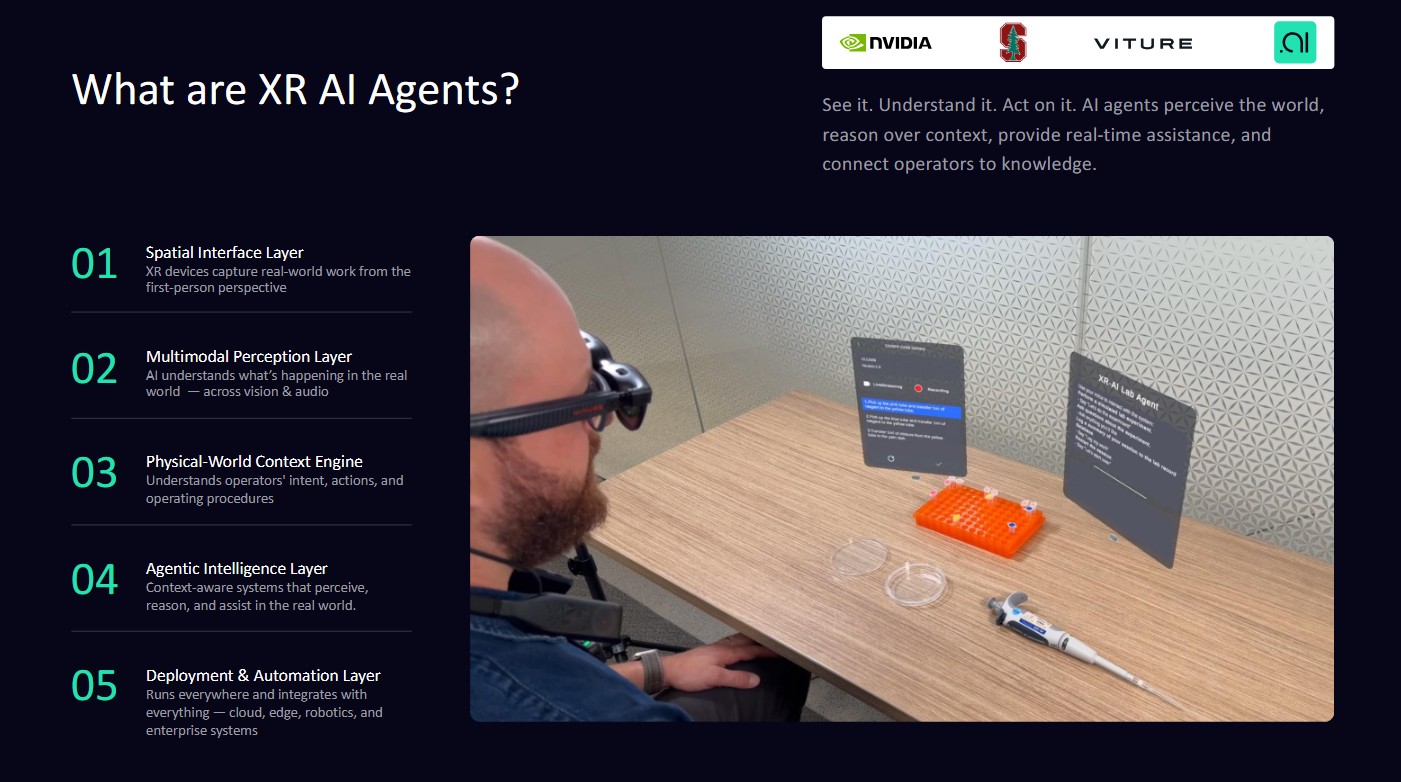
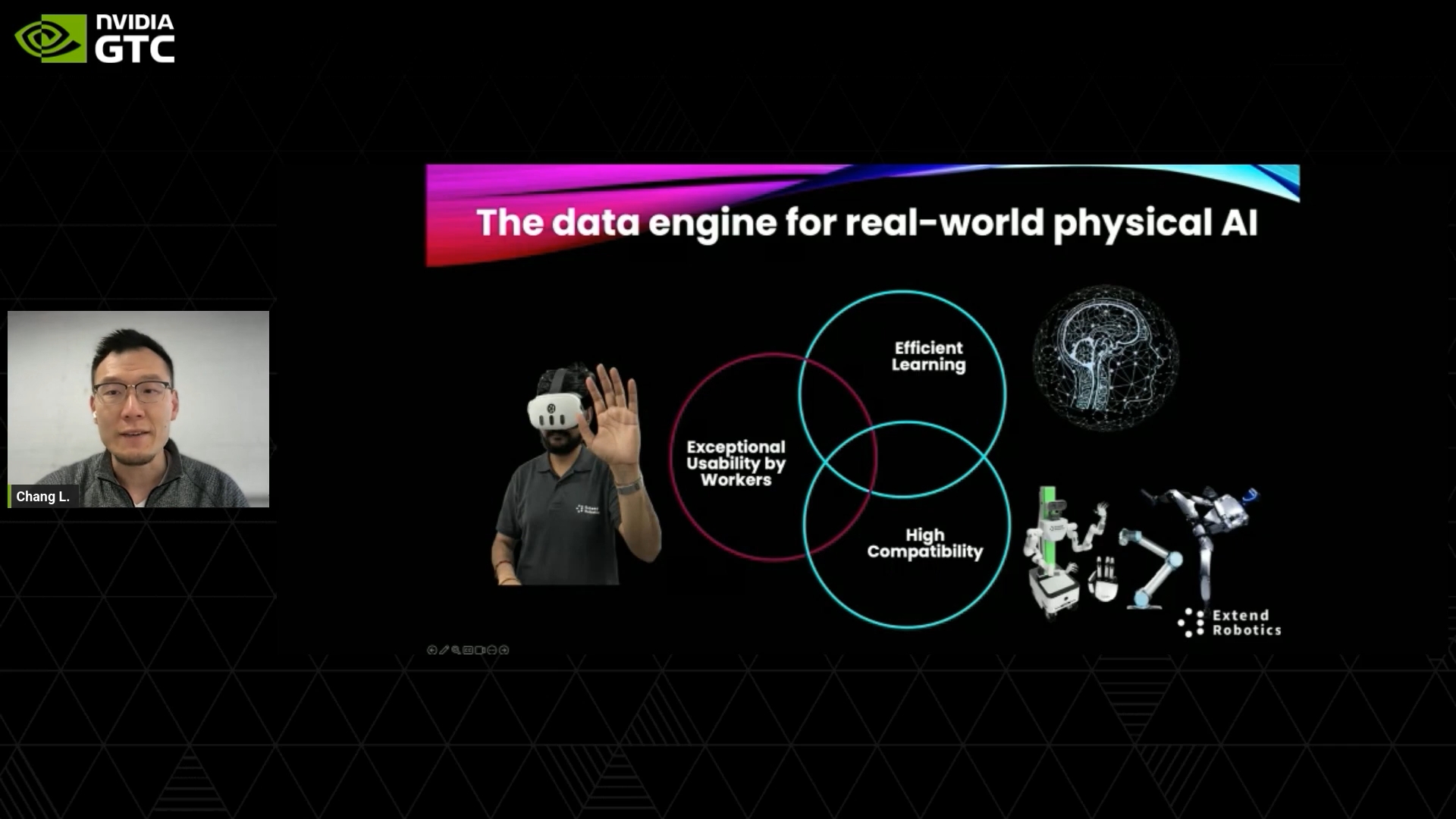
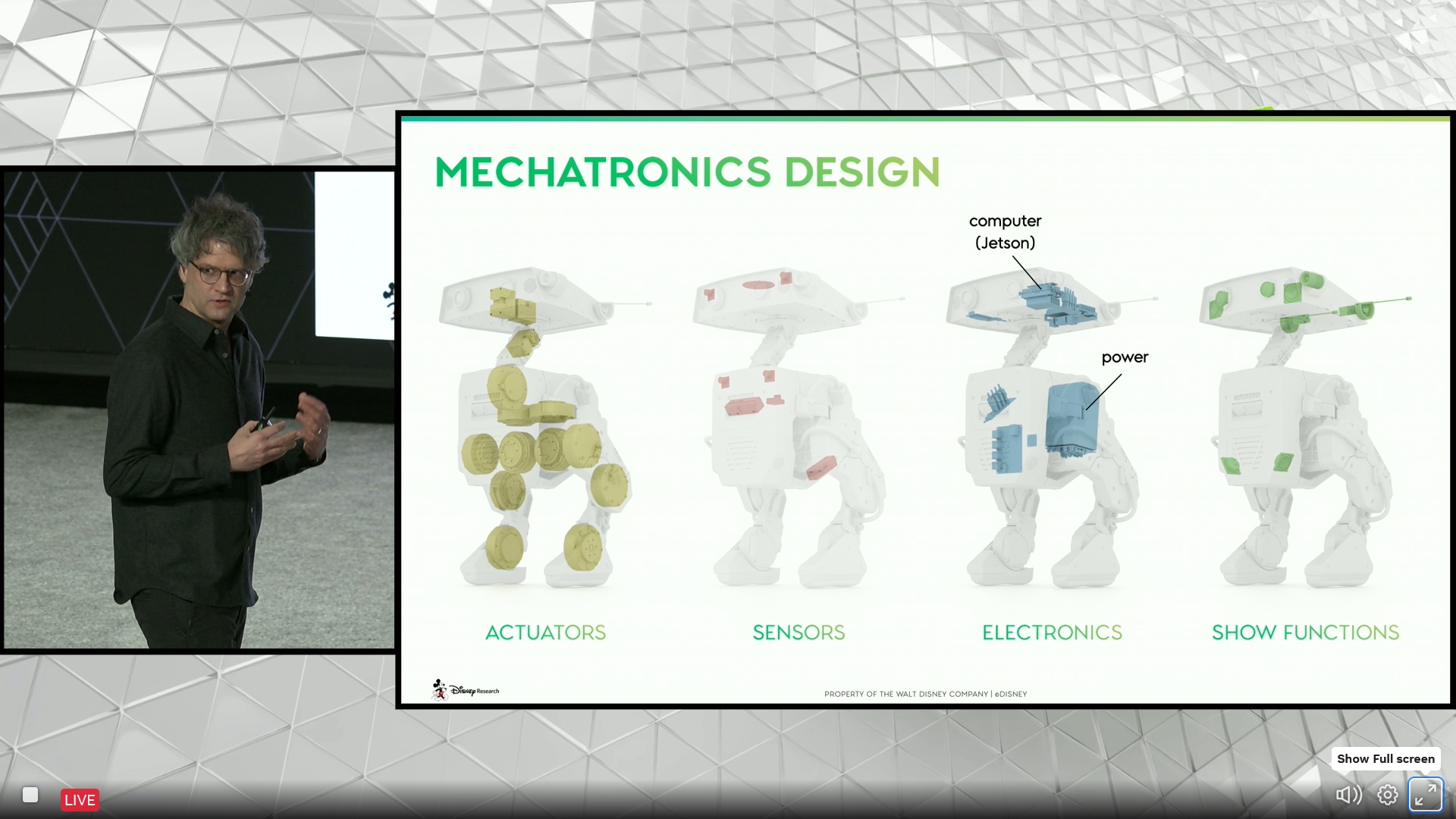
In XR/VR and design workflows, the same strategic logic shows up through Omniverse and CloudXR: 3D content tools feed into shared, physically based virtual worlds where robots, vehicles, and interfaces can be simulated and iterated; XR devices become front-ends to these simulations. GTC 2026 demos highlighted this with industrial and entertainment robots animated for XR teleoperation, medical research workflows streamed to Viture XR glasses and Apple Vision Pro via CloudXR, and robot training sessions with Meta Quest and Pico headsets for real-time physics testing and VR-based control.
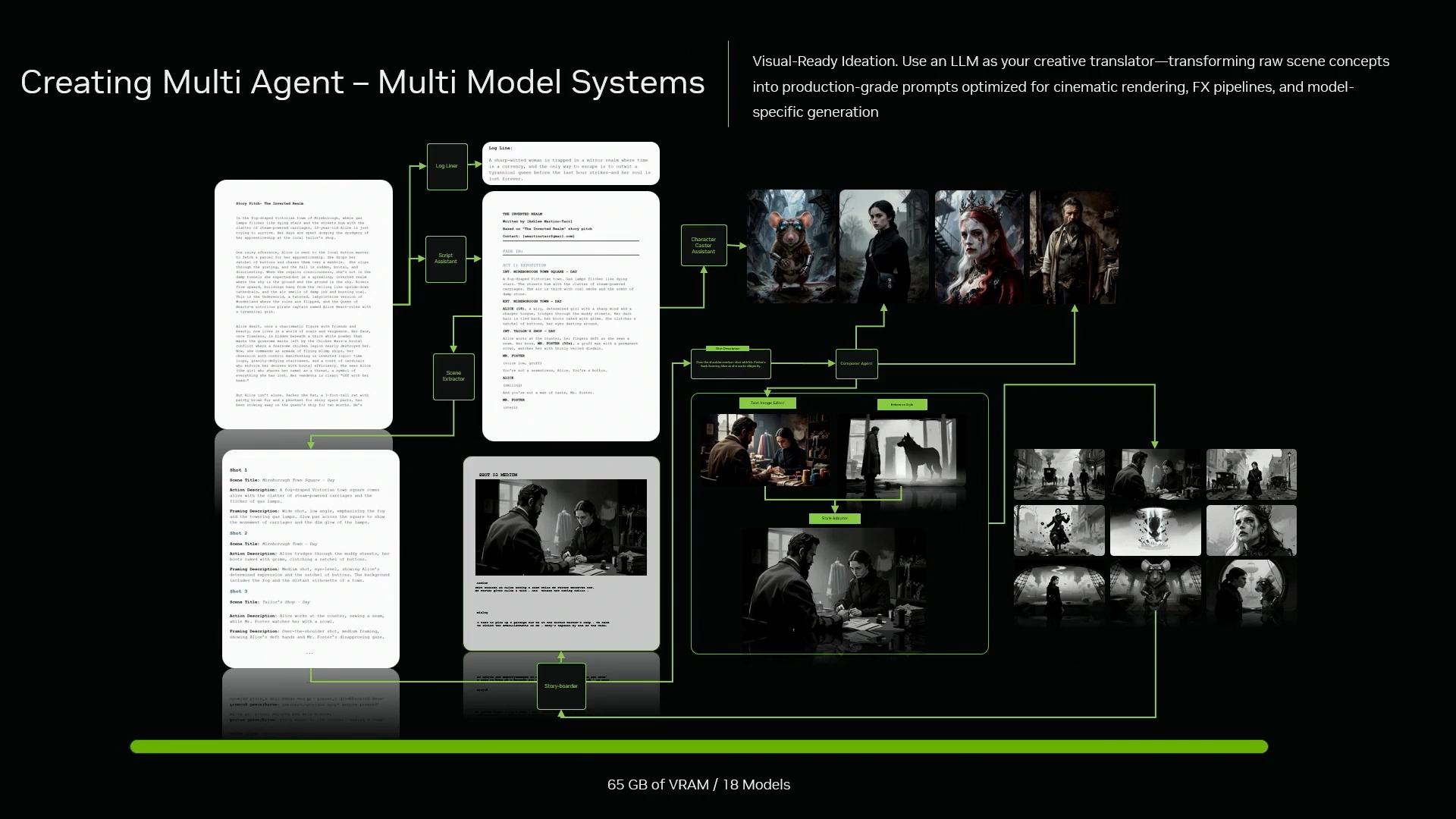
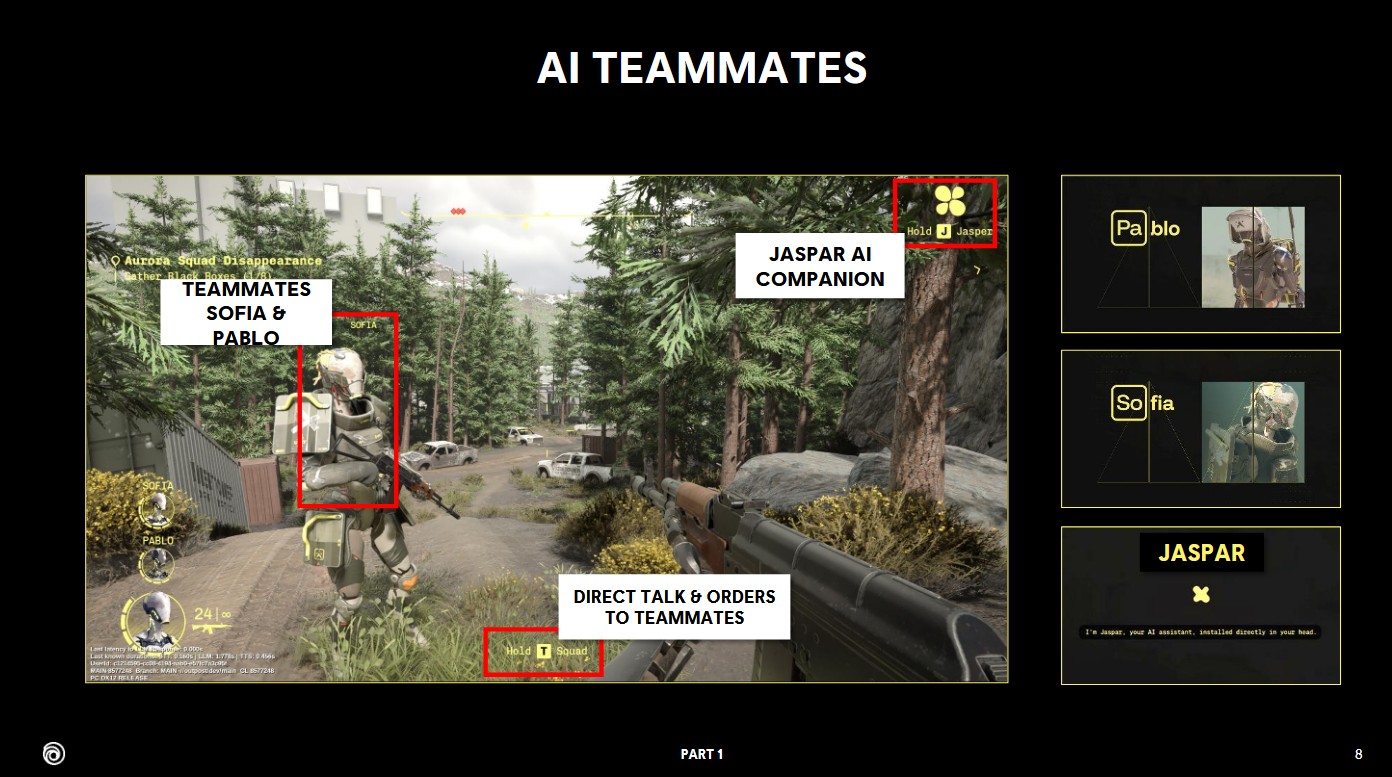
While Nvidia‘s vision of a simulation-driven AI future successfully played into investment expectations, not all announcements landed unanimously positive – DLSS 5 faced pushback on fidelity in conceptual design, and generative tools in production workflows fueled debates on creativity versus automation. Nonetheless, GTC 2026 cements Nvidia‘s pivot: by owning the stack from virtual training to physical deployment, the company positions itself as the indispensable orchestrator for the agentic AI era, challenging industries to rethink workflows around simulation and inference – as long as it’s world model of the cleanroom can be preserved without interference.
