
UnitedXR Europe 2025 turned Brussels into a key meeting point for the European XR community in early December 2025. The event marked the first joint edition following the merger of Augmented World Expo (AWE) Europe and Stereopsia, creating a single, large-scale platform that combines conference, expo, market activities, and networking under one umbrella. A distinctly European dimension was evident in the emphasis on developing unifying standards across the diverse sectors of the XR ecosystem.
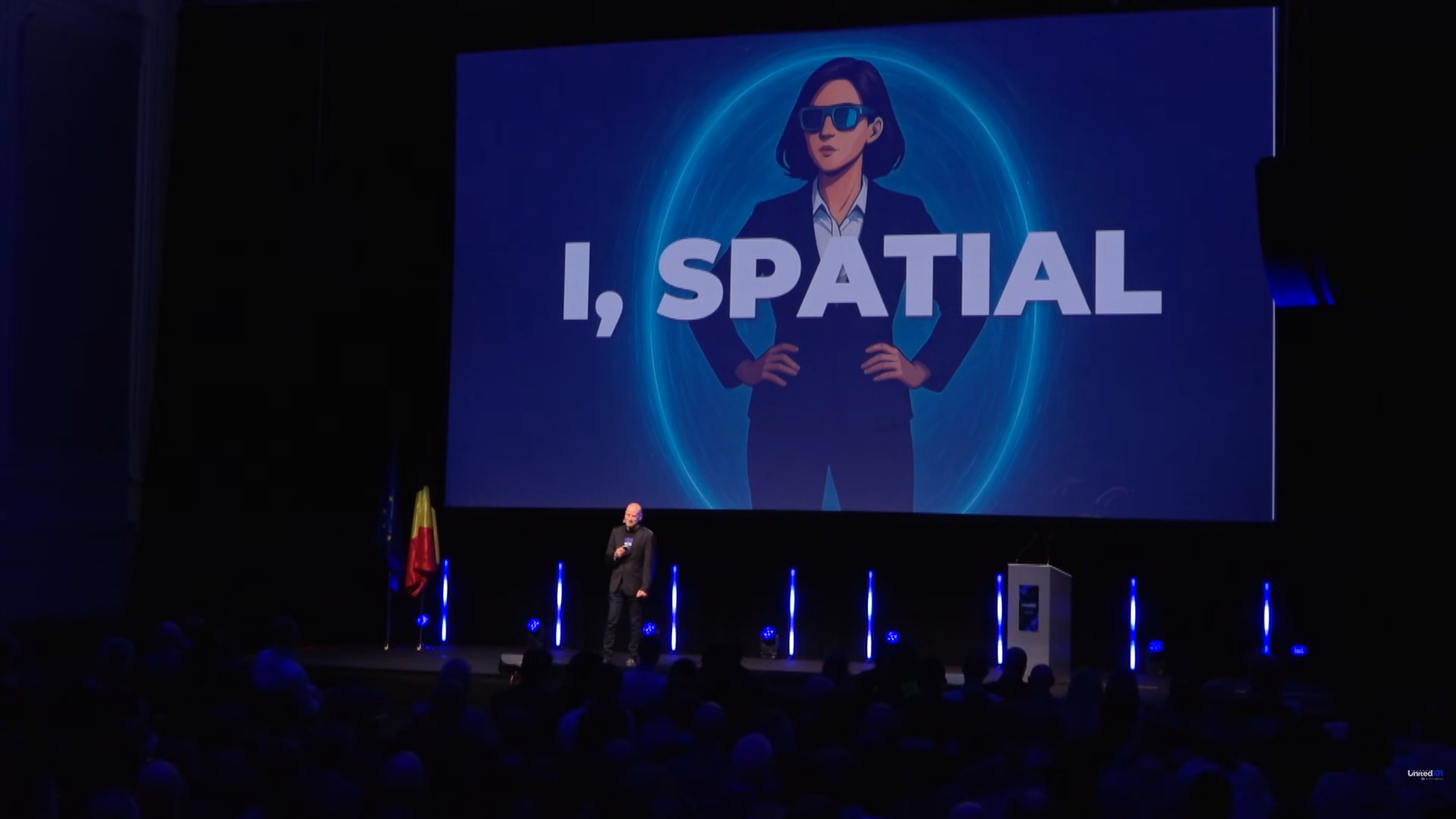
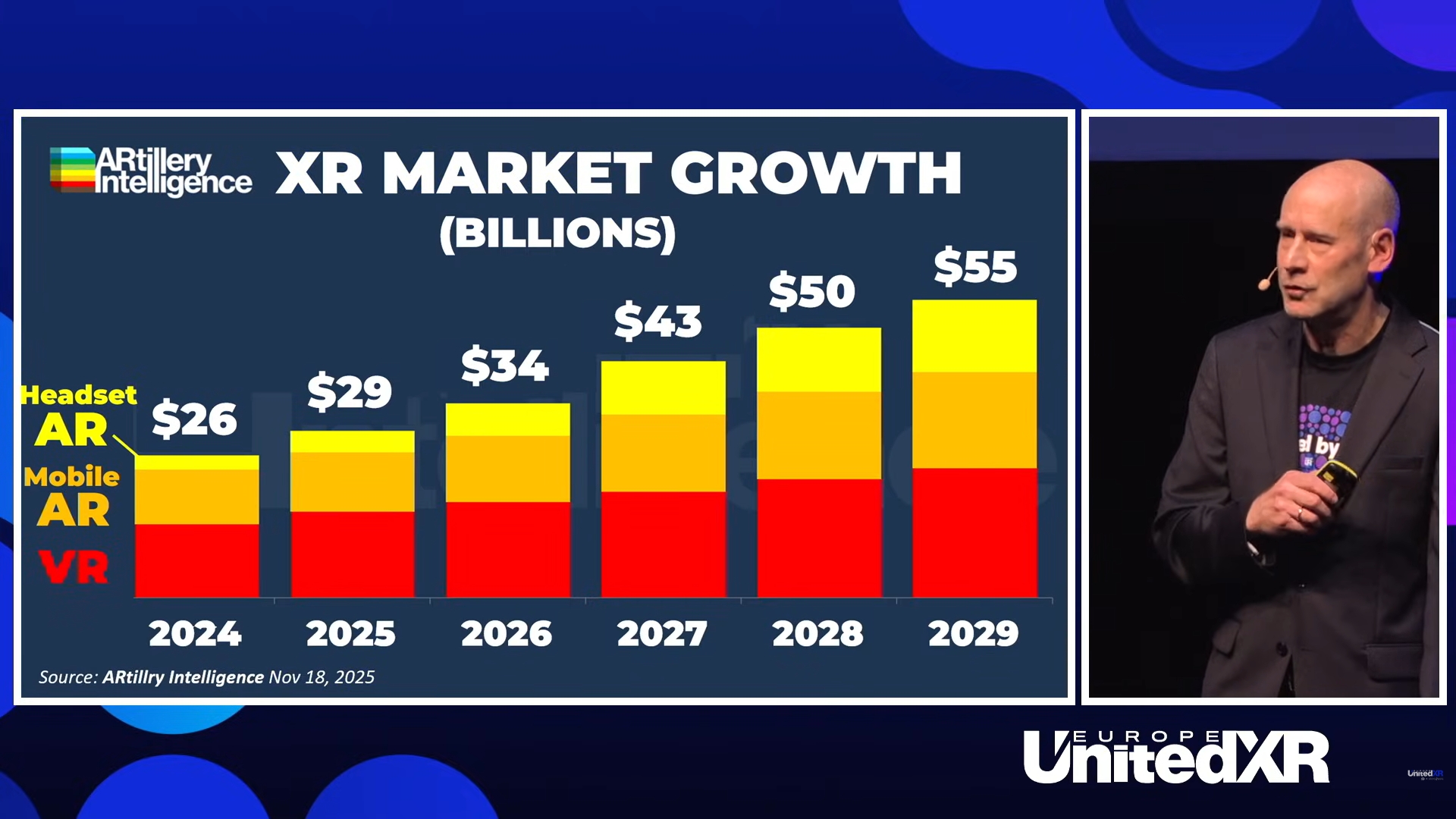
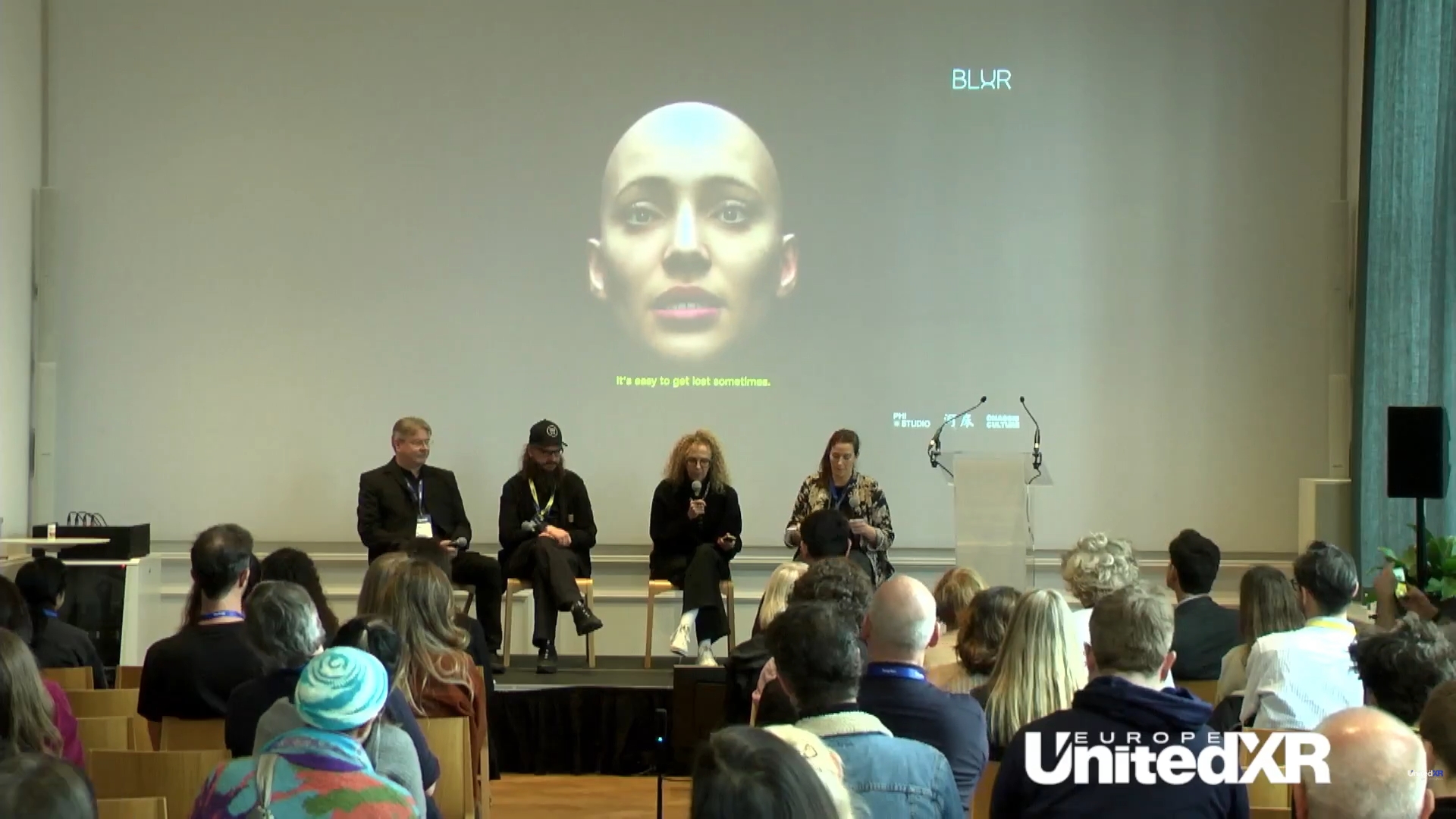
Over three days, the program featured keynotes, panels, and parallel tracks on AR, VR, MR, AI integration, and the EU’s Web 4.0 ambitions. It covered sectors such as healthcare, industrial XR, culture, and education, alongside pitch competitions, awards, and a strong startup presence. Overall, the Brussels debut demonstrated that XR has moved well beyond the experimental phase in many domains and that Europe now faces the challenge of scaling deployments, setting standards, and establishing sustainable business models for broad adoption.
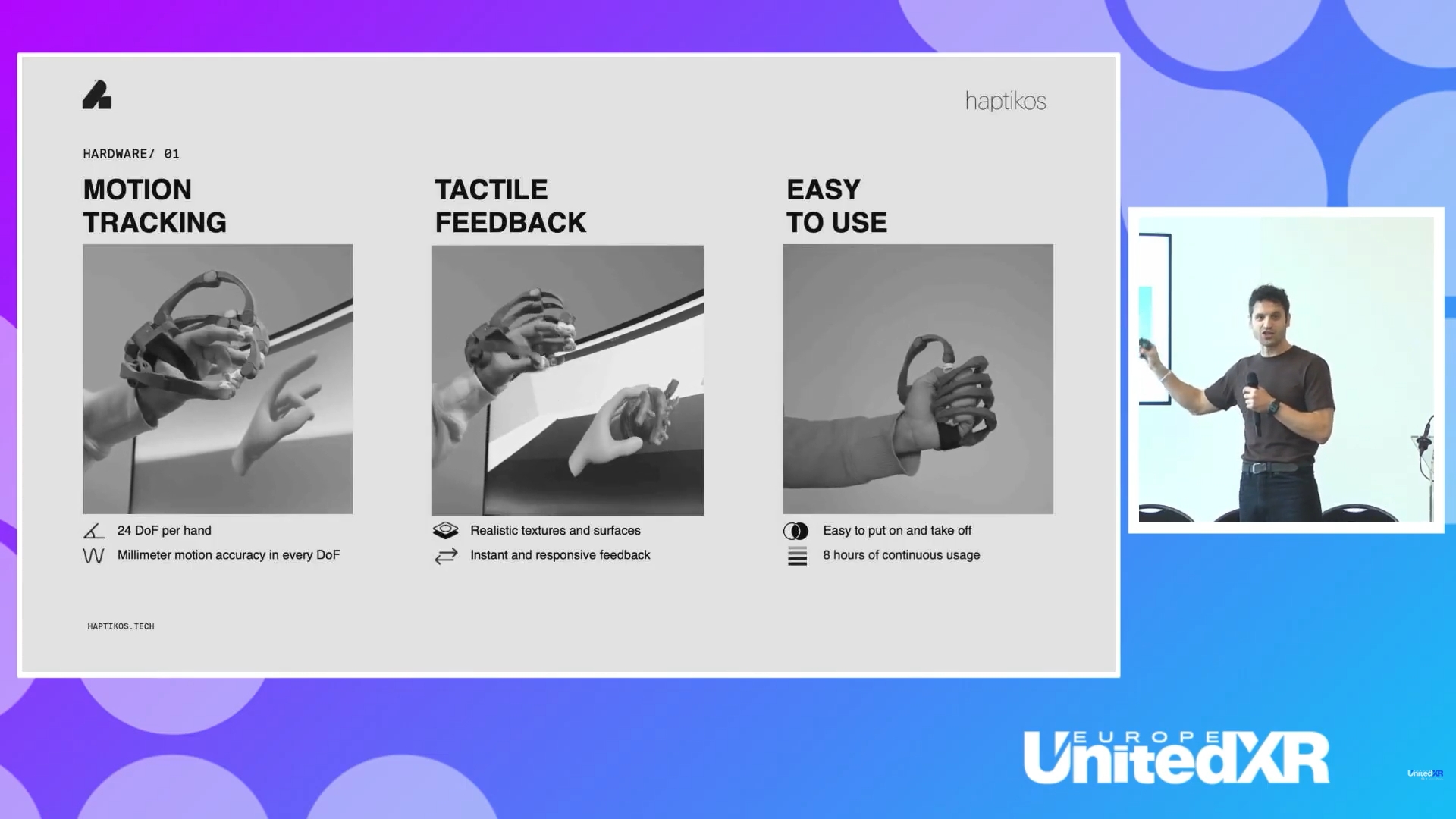
New devices on display included the Bigscreen Beyond 2, awarded “XR Headset of the Year” for its ultra-light design and enhanced pancake optics; Augmency’s Cyclops AR headset with 4G/5G connectivity for industrial remote support; wide–field-of-view VR optics from Hypervision; and experimental smart contact lenses developed by XPANCEO. Together, these hardware innovations underlined a broader message of the conference: the European XR ecosystem is not only maturing on the software and content side but is also rapidly advancing in devices and form factors that will shape the next generation of immersive experiences.
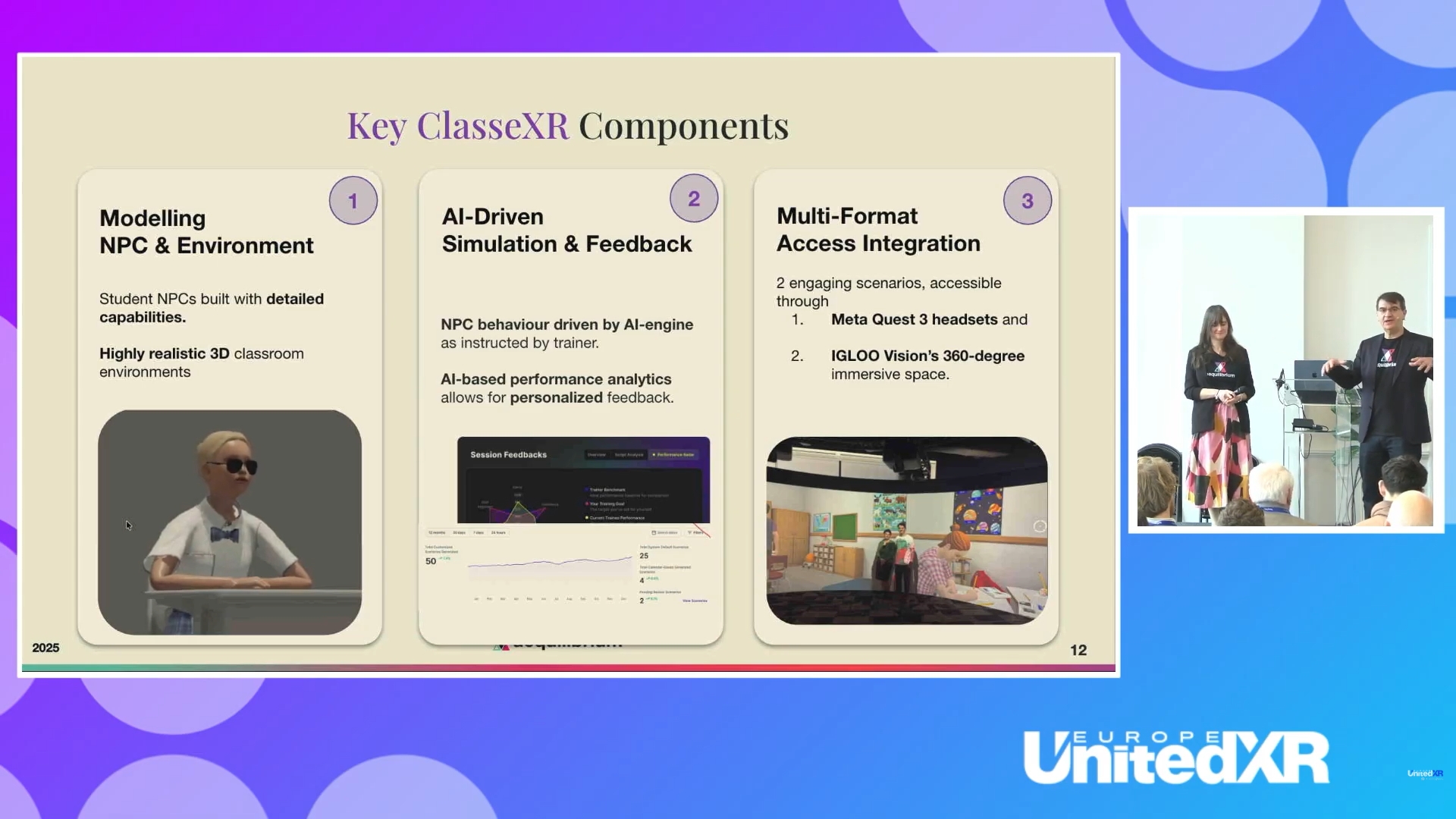
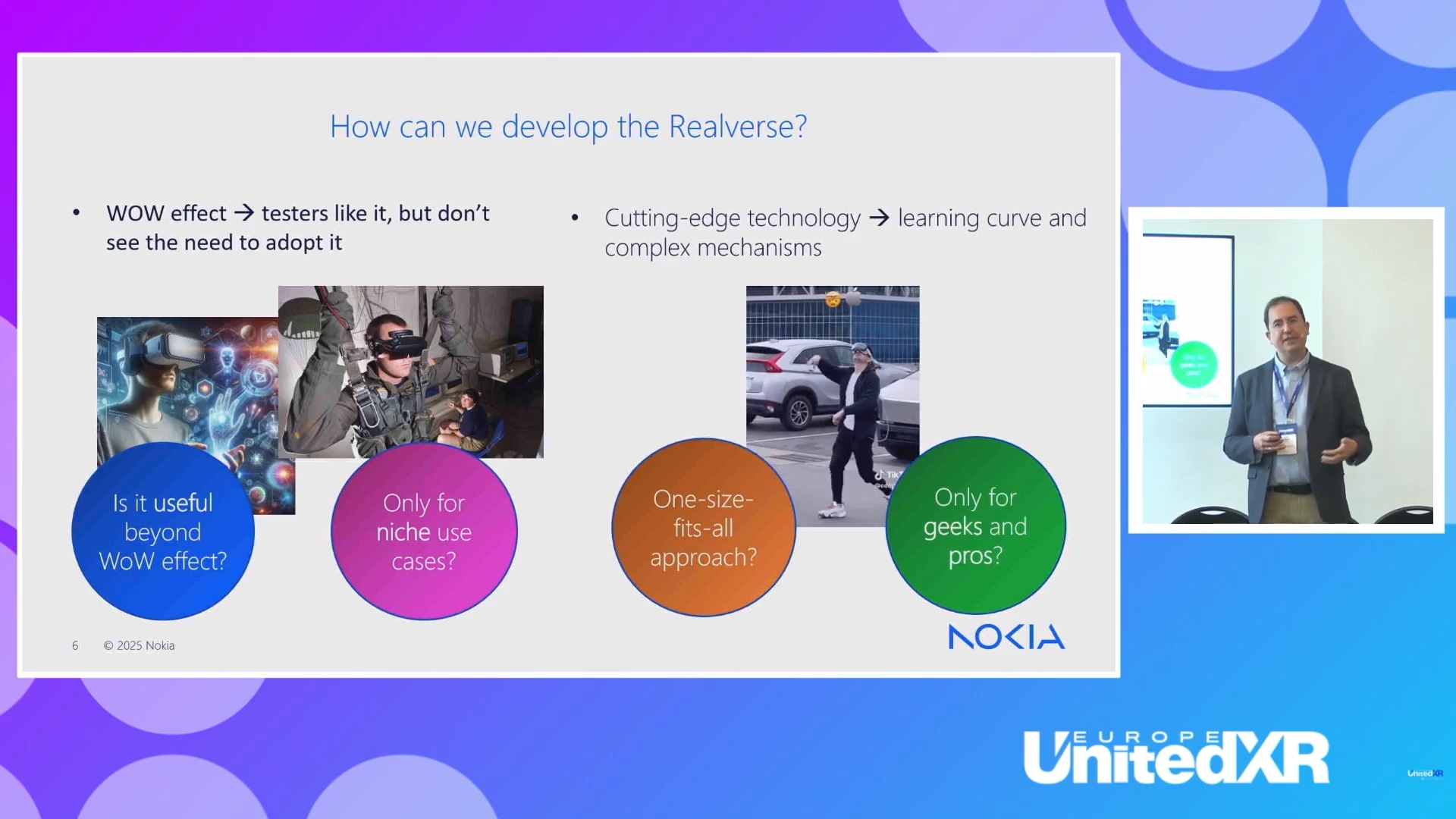
Content-focused initiatives emphasized standardization efforts, with projects such as XR4ED (Horizon Europe) showcasing interoperable XR platforms for education designed to align tools across schools and institutions. Panels discussed EU-driven standards for content portability, metadata schemas, and cross-platform compatibility, aiming to reduce fragmentation in areas such as cultural heritage digitization and training simulations. Side events fostered the formation of consortia around shared XR content pipelines, highlighting progress toward unified formats amid growing AI-enhanced production workflows.
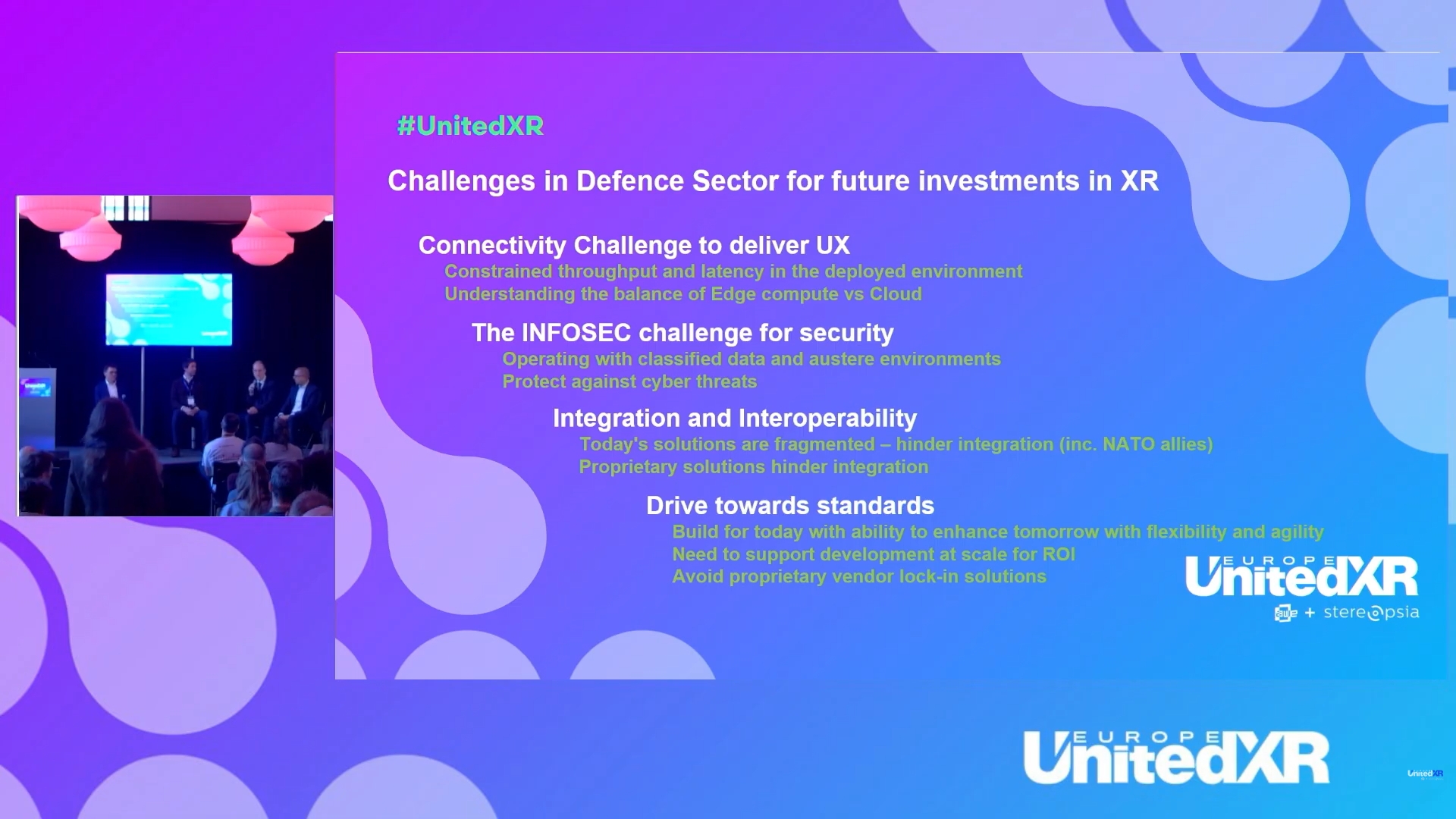
UnitedXR Europe 2025 confirmed that XR in Europe has entered a phase of consolidation and scale. The event made clear that Europe’s next challenge lies not in proving the value of XR, but in coordinating ecosystems, aligning policies, and turning innovation into sustainable, widely adopted solutions.
