
The Games Ground 2026 once again positioned itself in Berlin as a hybrid format combining a B2B trade fair, a career platform and a gaming festival. The central industry theme of this year’s edition was the restructuring of the games industry, particularly in the areas of recruitment and career development. At a time when the industry is shaped by cost pressure, shortened project cycles, consolidation processes and a changing hiring environment, Games Ground responded with a substantially expanded career and mentoring programme: one-to-one recruitment meetings, portfolio reviews, career advice and a digital jobs board.
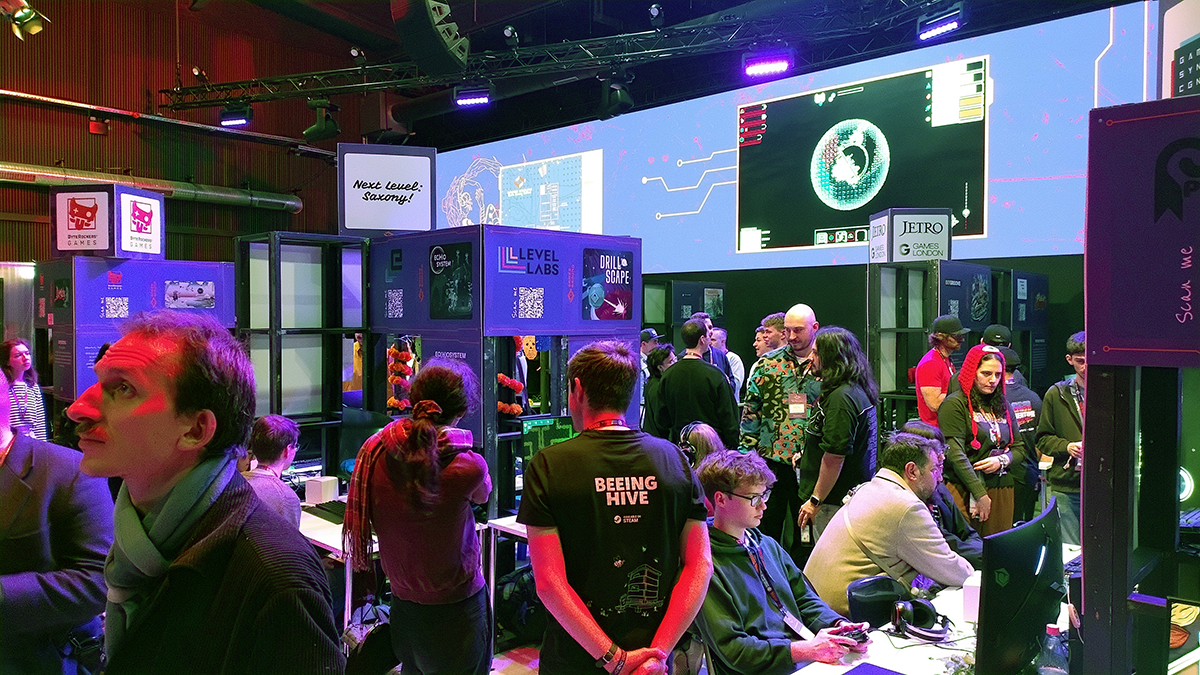
For studios, XR teams and creative professionals, this means that access to talent, clients and publishing partners is increasingly shifting away from conventional job advertisements towards personal networks, visible portfolios and targeted matchmaking formats. Games Ground 2026 made this shift visible and established itself as a practical meeting point at the intersection of skills shortages, structural job losses and new approaches to talent acquisition.
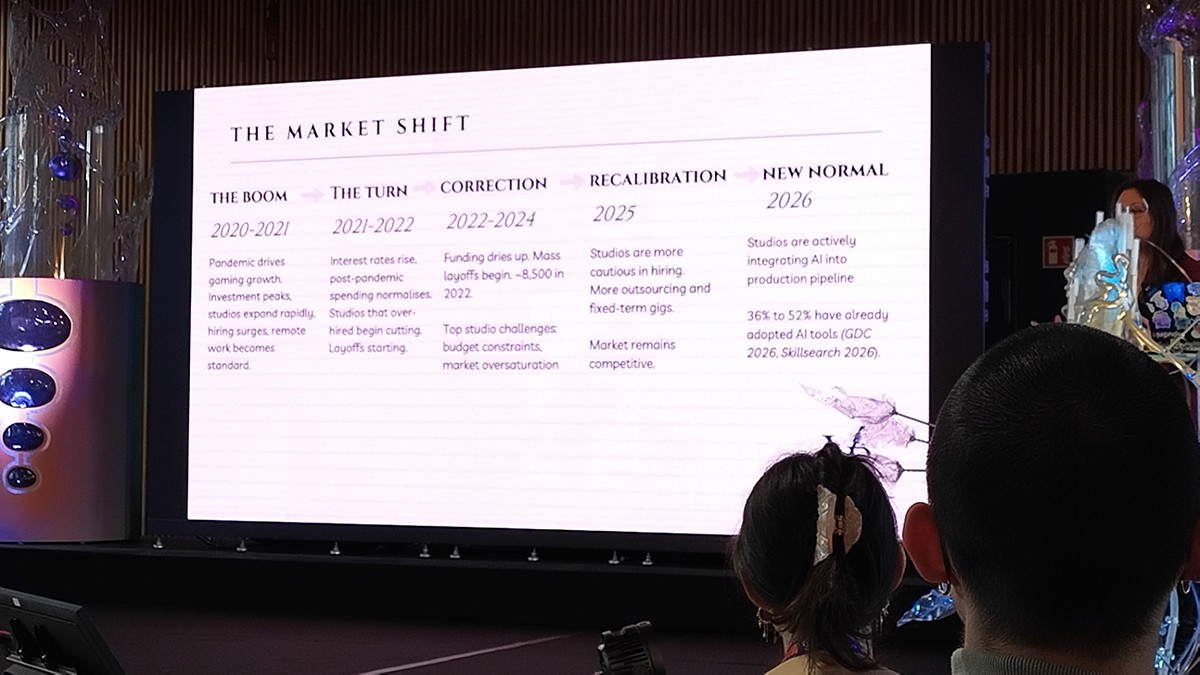
A particularly pressing issue was the role of AI in game development, as well as its impact on related job functions and career paths. Following the pandemic-driven growth boom and the subsequent period of consolidation, the industry is increasingly reorganising itself around AI-supported production and organisational processes. This particularly affects game production and entry into the industry: junior positions are under particular pressure, as routine tasks become increasingly automatable and teams become smaller, more experienced and more project-based. Among more experienced professionals, the focus is tending to shift away from direct production work towards concept development, quality assurance, review, integration and decision-making responsibilities.
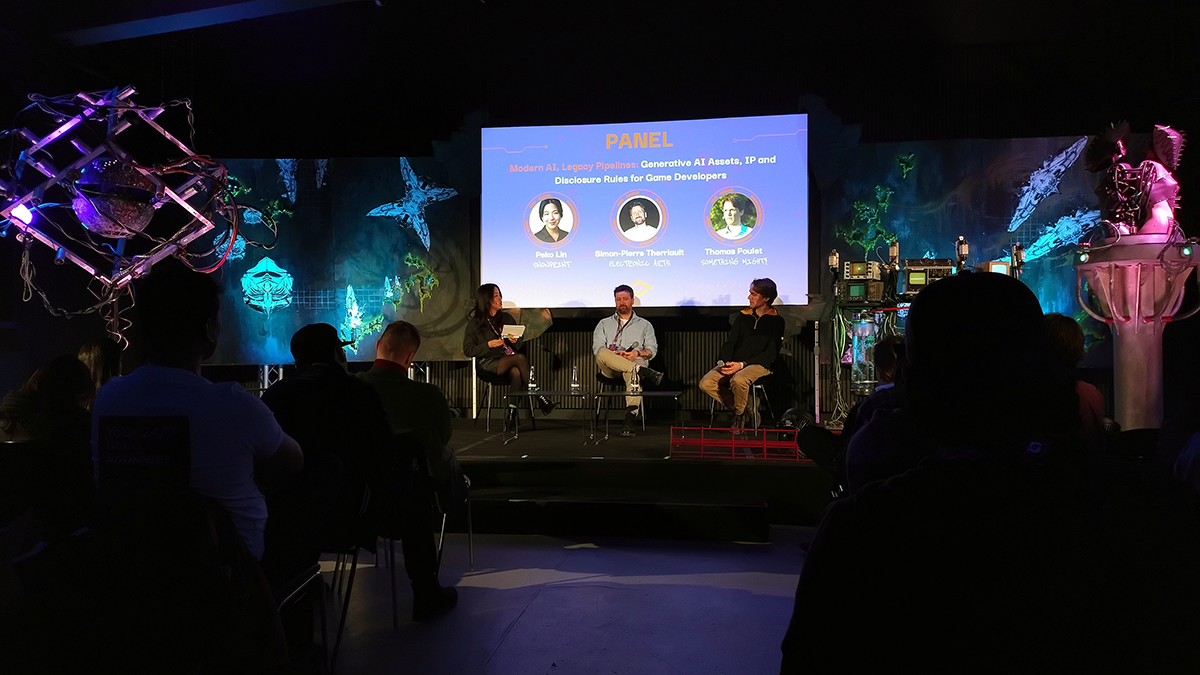
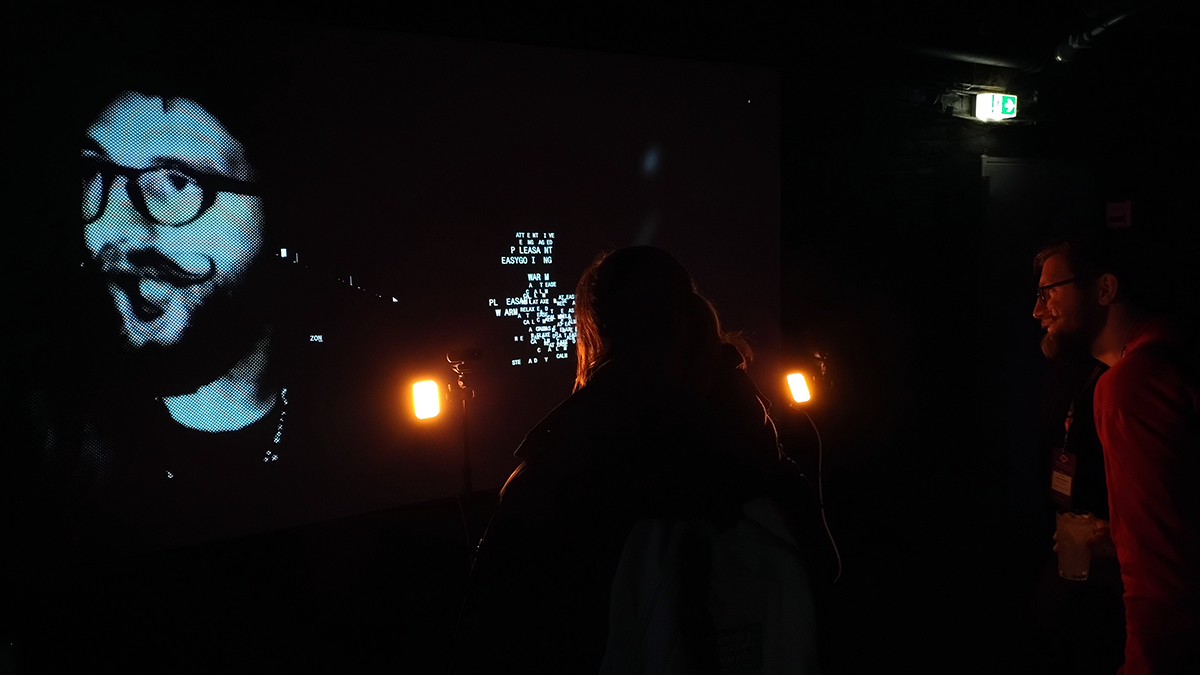
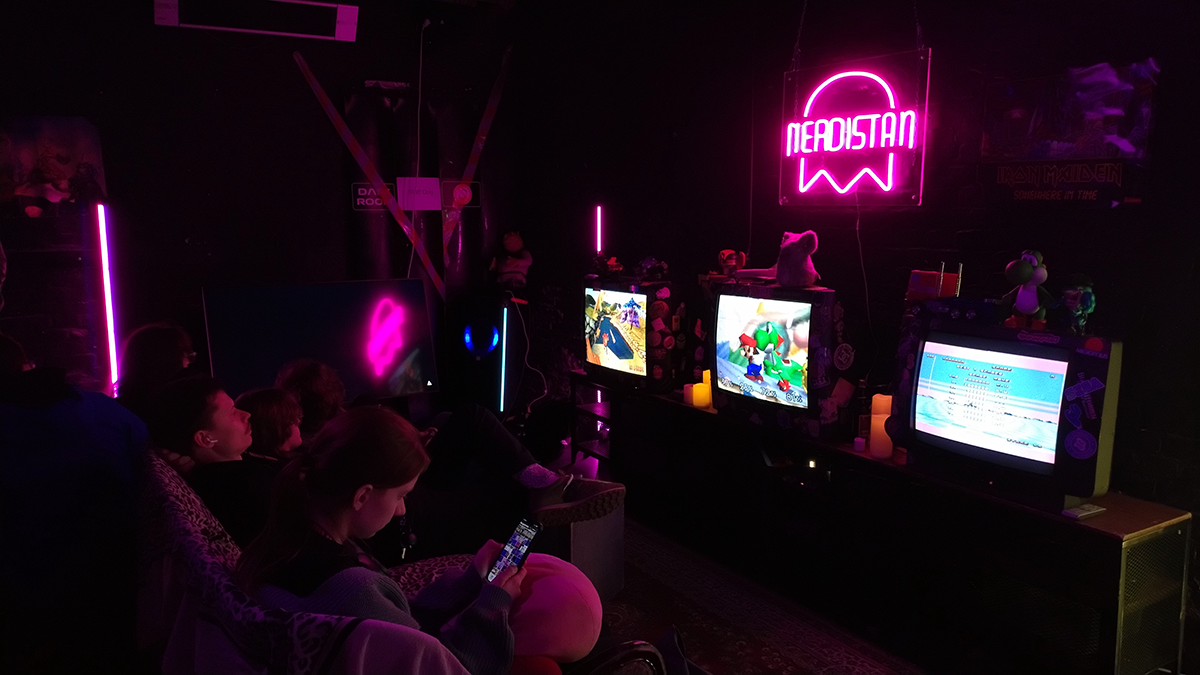
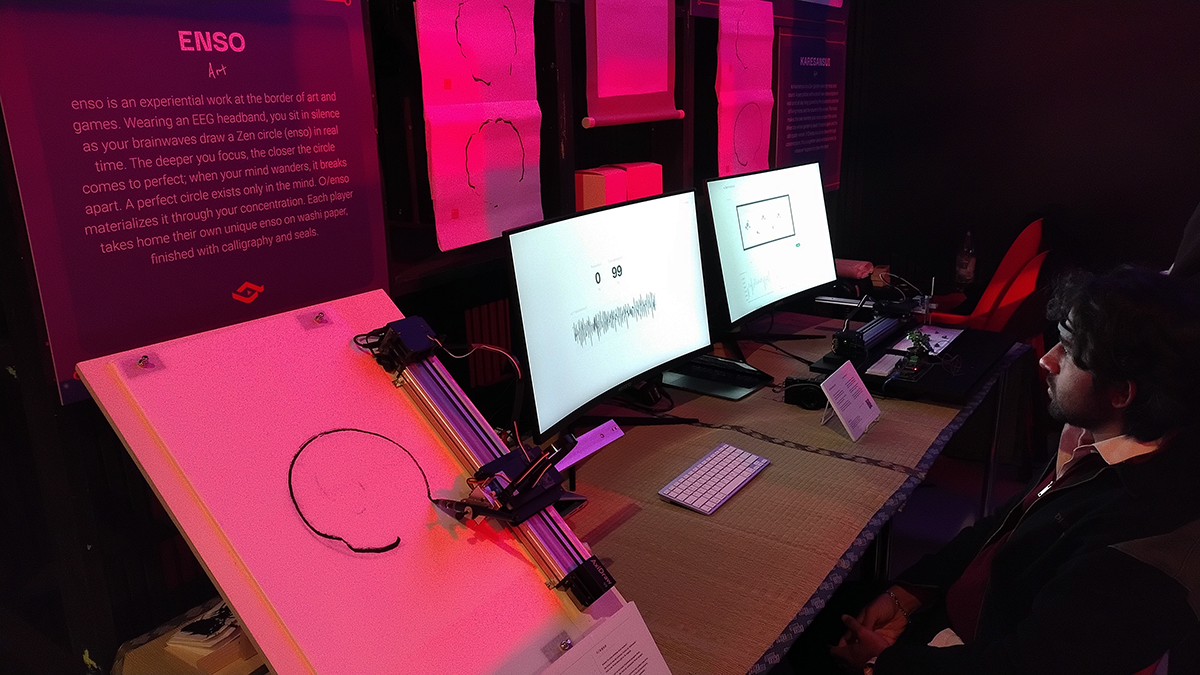
However, concrete, publicly discussed case studies remained rare at the event. This is hardly surprising: many studios are still in an experimental phase and are developing individual approaches to the use of generative AI in concept development, art production, code, audio, localisation and production. AI was likewise not a central theme among the games presented. The programme included indie showcases, exhibition areas, mentoring, publisher matchmaking, and talks and workshops on production, design, rendering, multi-platform development and narrative formats. In addition, the XR Dungeon opened once again in the basement, making immersive installations by start-ups and university projects accessible to visitors.
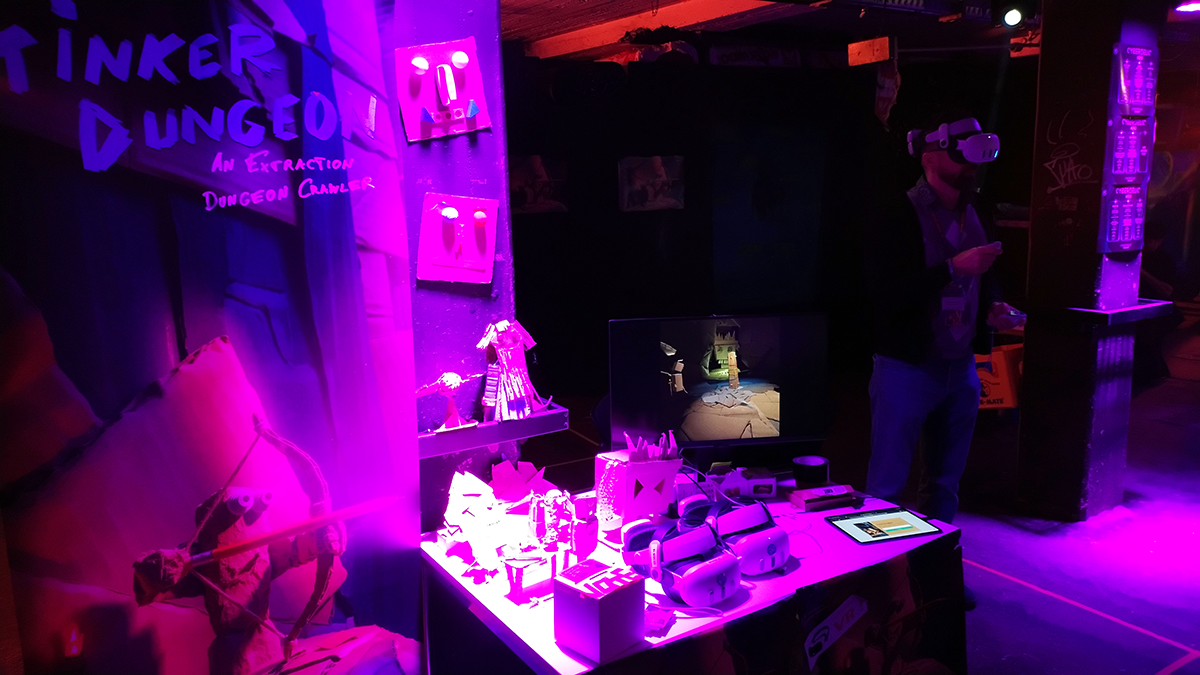
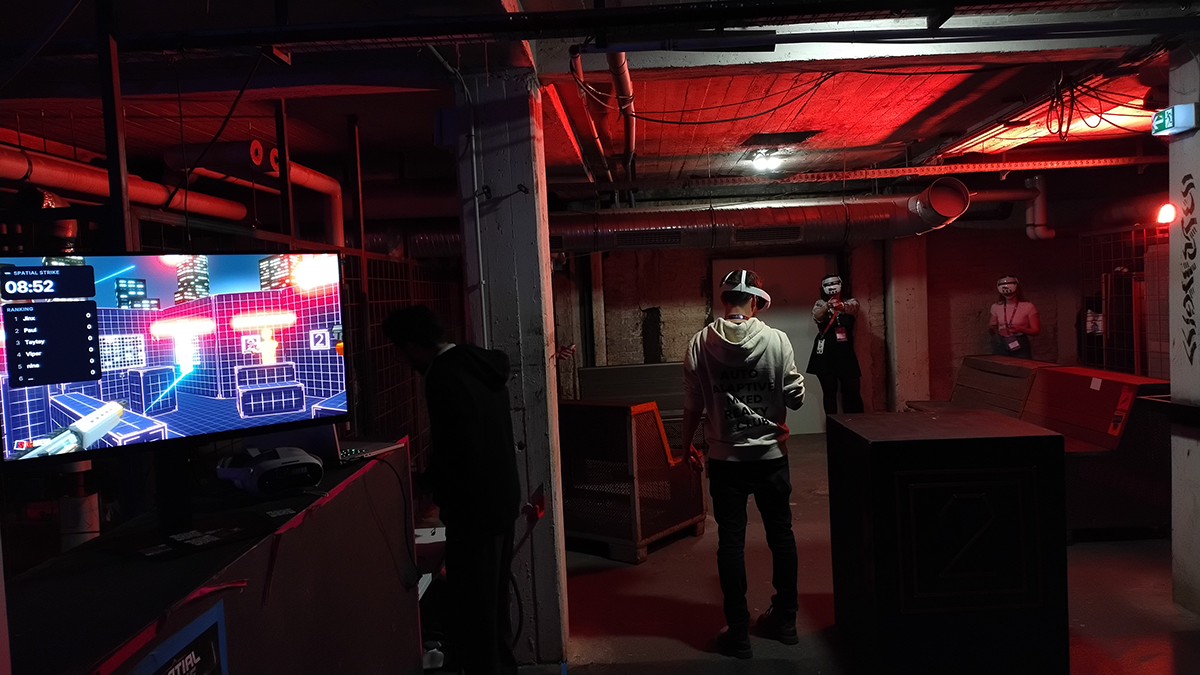
In an increasingly paradoxical recruitment and funding environment, skilled professionals remain in demand for specialised roles, while the number of open positions and the planning certainty of many studios continue to decline. A more concrete assessment of the current wave of automation – through case studies, reliable production data and discussions on fair working models – is, however, likely to become more visible only at Games Ground 2027. Through its combination of recruitment, mentoring, indie support and XR innovation, the event could then become a reference point for a more resilient games industry. The decisive metric will then not simply be visitor numbers, but the quality and sustainability of the professional and business opportunities it creates.
