
The Hannover Messe 2026 remains a central meeting point for industrial transformation – but it is increasingly emerging as a forum for concrete implementation, not just for future visions. While earlier editions still focused strongly on prototypes and experiments, in 2026 the operational value of technology comes to the fore: AI, robotics, automation, and digitalization are no longer seen as “network features” but as core components of the factory itself.
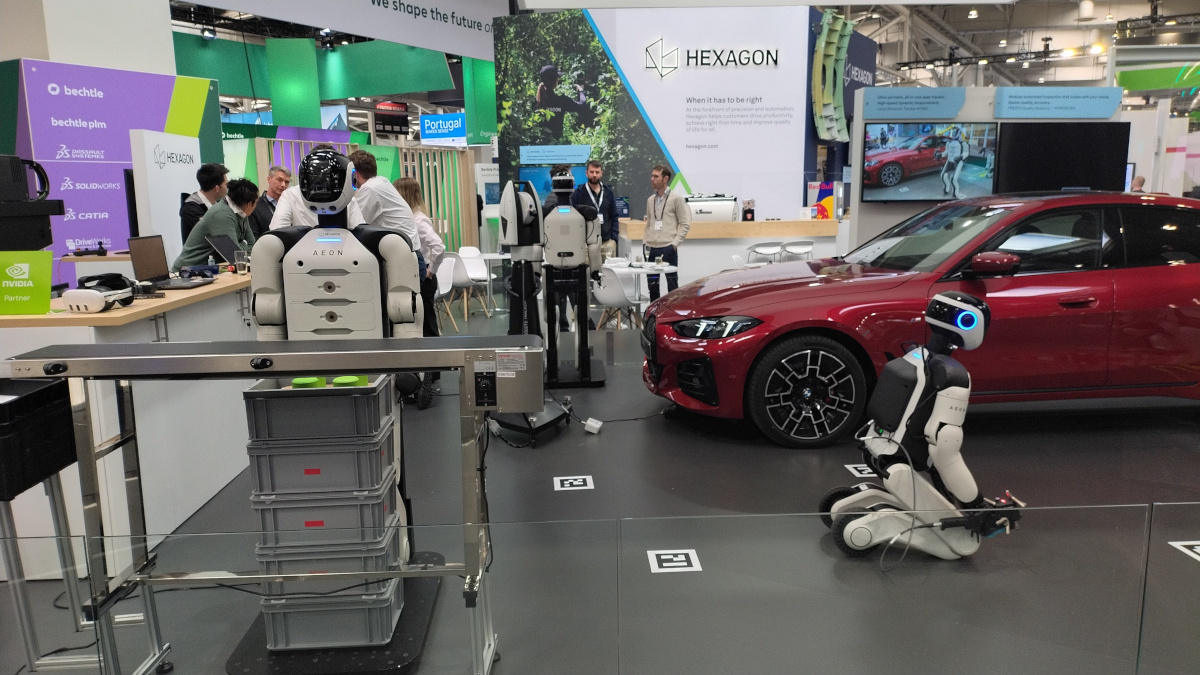
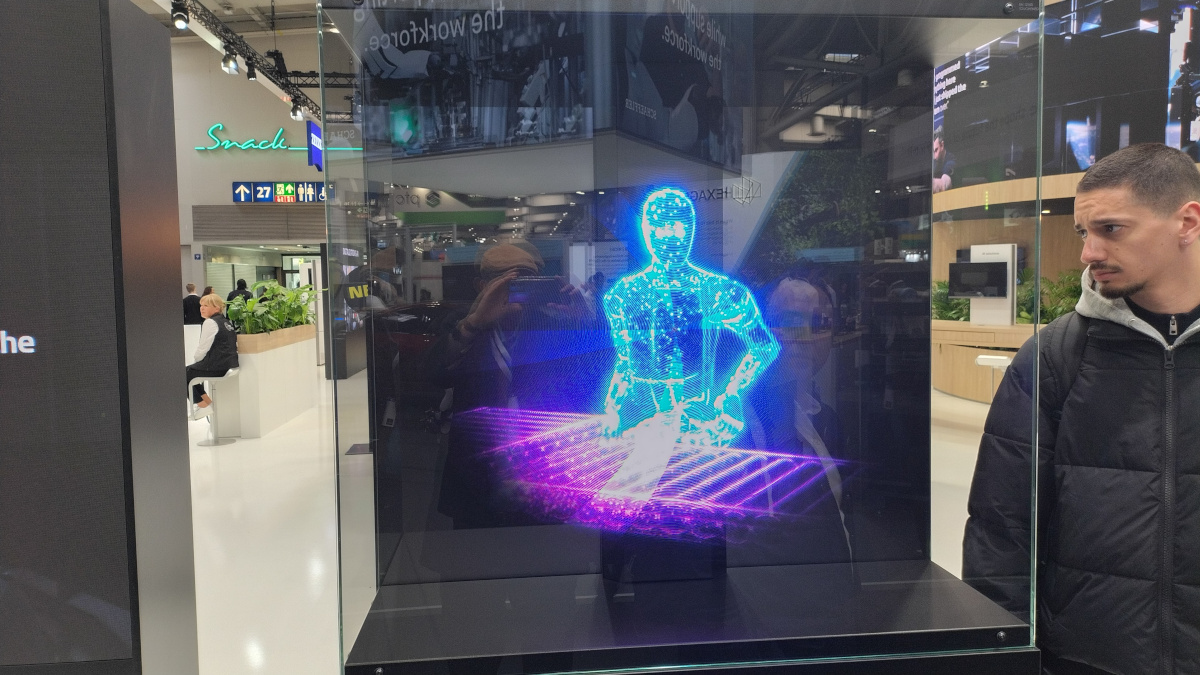
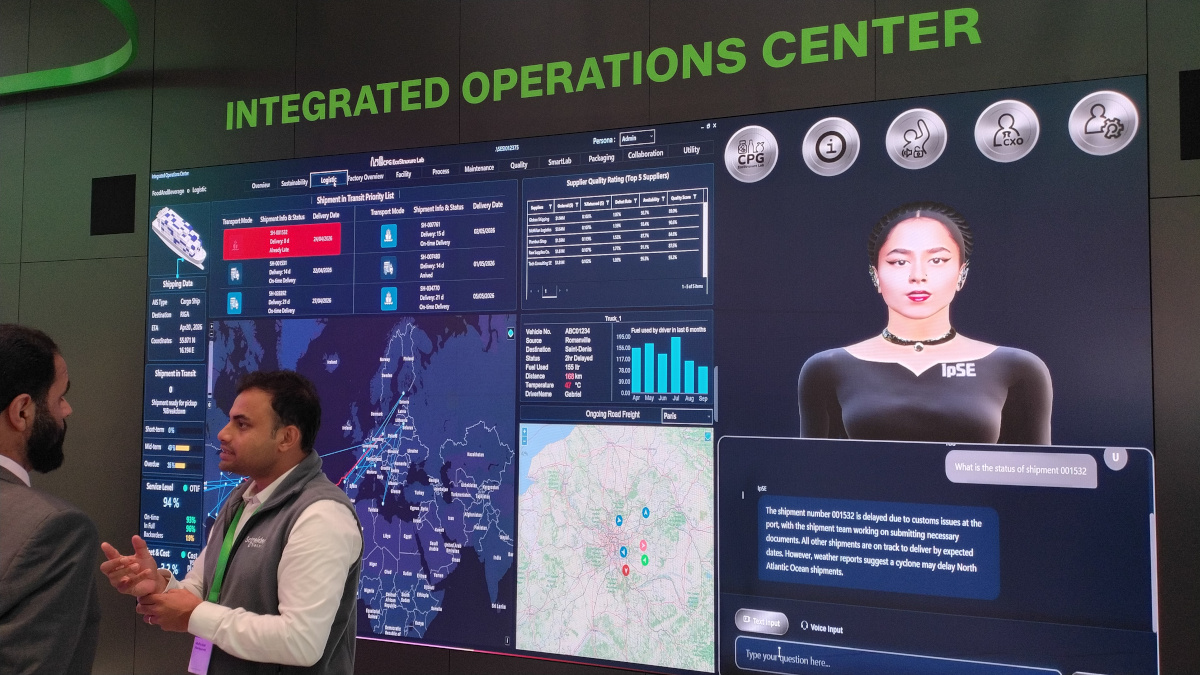
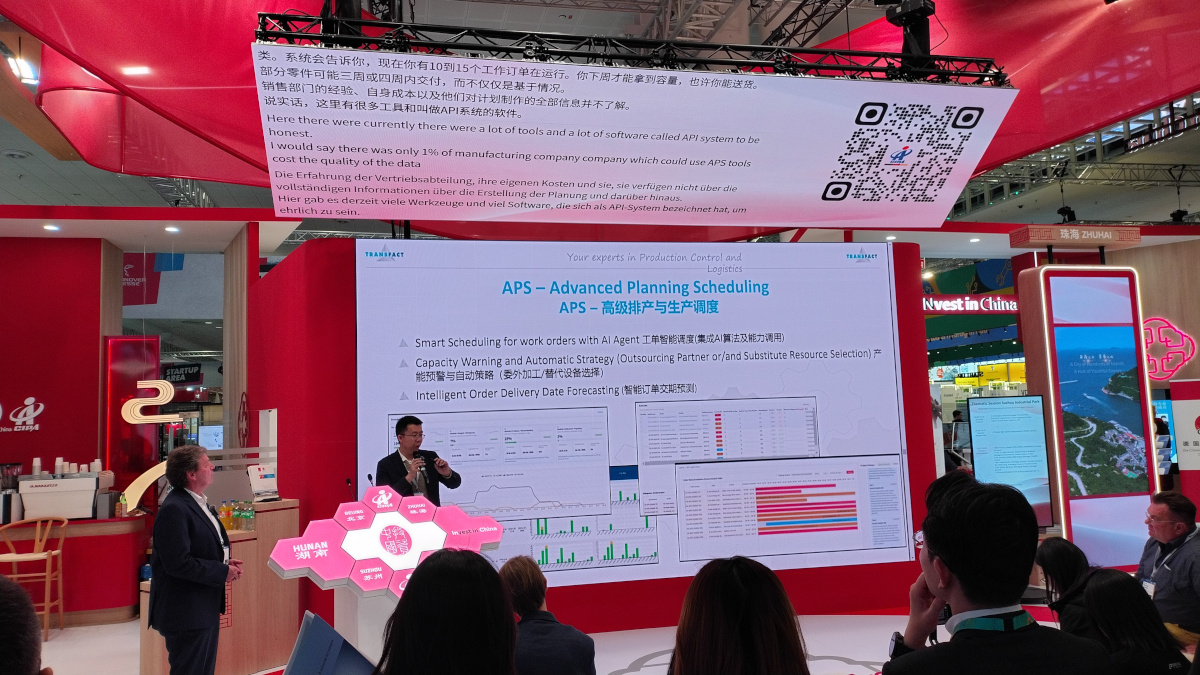
A clear trend is the normalization of AI in production. Artificial intelligence no longer appears as an isolated demo, but pervades robotics, process optimization, quality assurance, and engineering. At the same time, connected data spaces, digital twins, and modern robotics are gaining importance, because they provide precisely the foundation on which AI can actually create value.
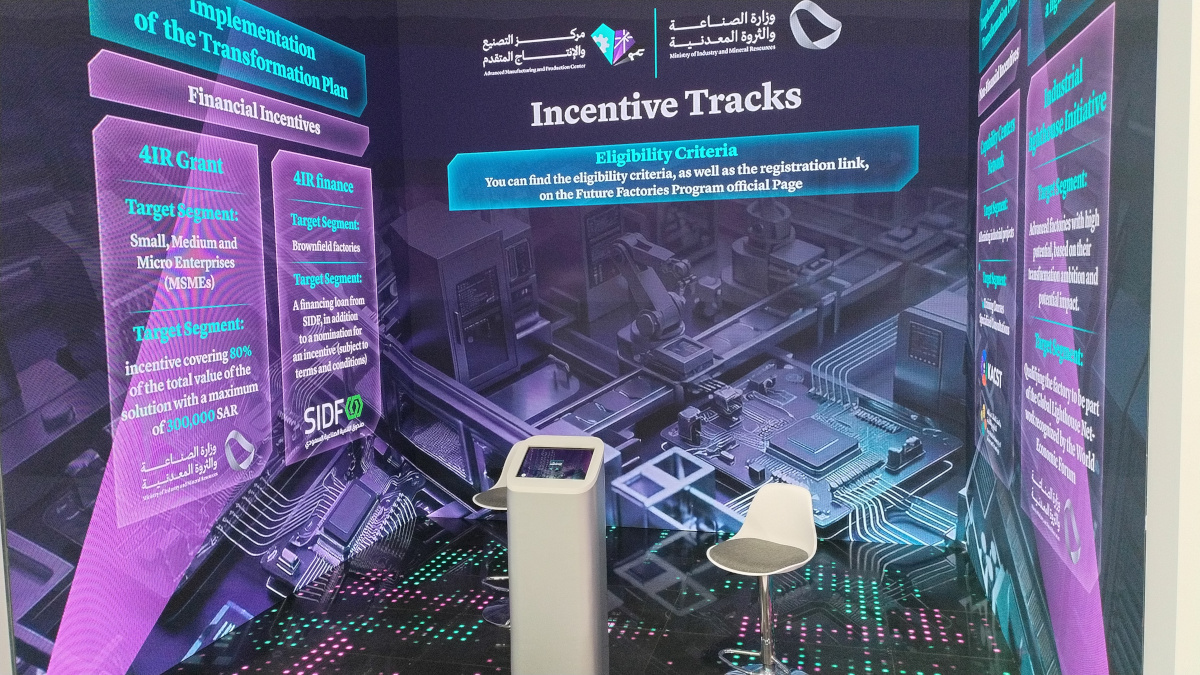
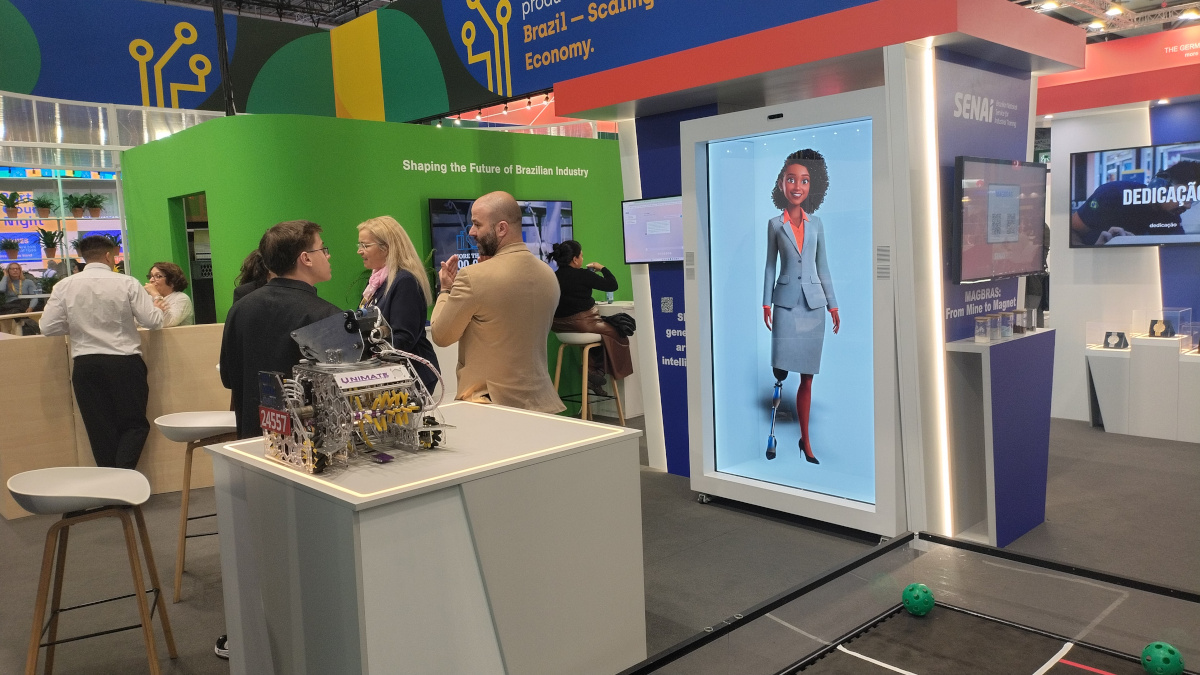
For the first time, a distinct military and defense‑industry focus also moves clearly into the spotlight. The new Defense Production Area emphasizes that resilient, scalable manufacturing is not only an economic but also a strategic issue. The fair shows that the boundaries between civilian industrial technology and security‑relevant applications are increasingly blurring – especially where automation, materials, sensor technology, and data security are involved.
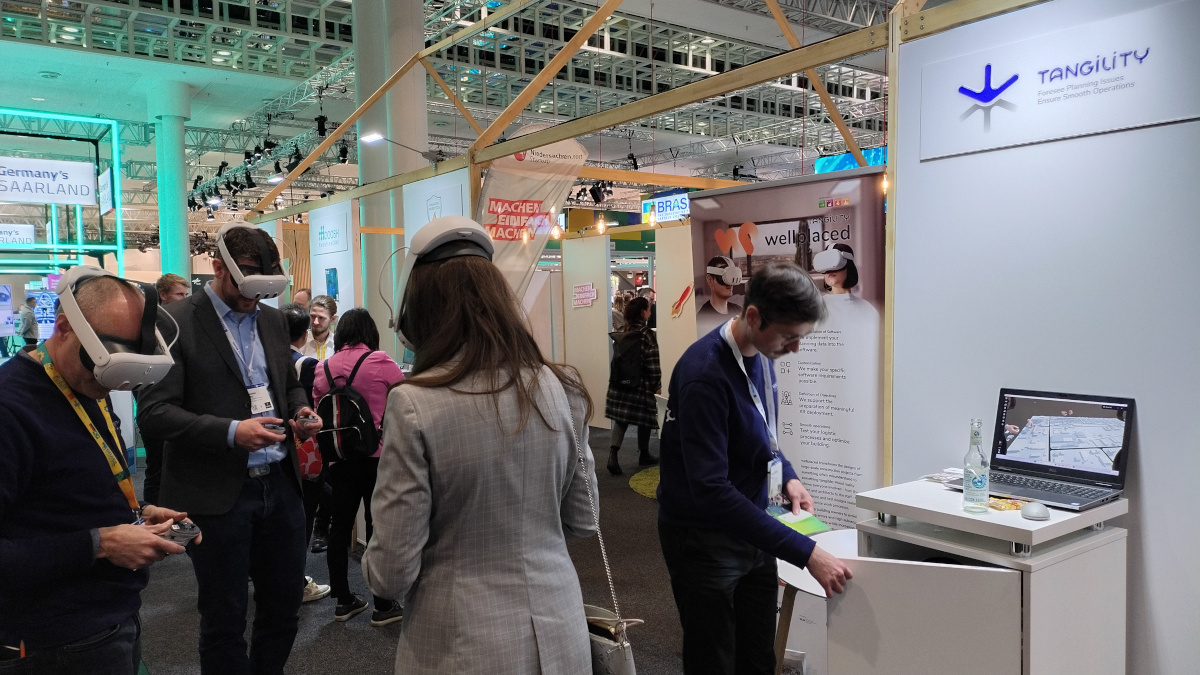
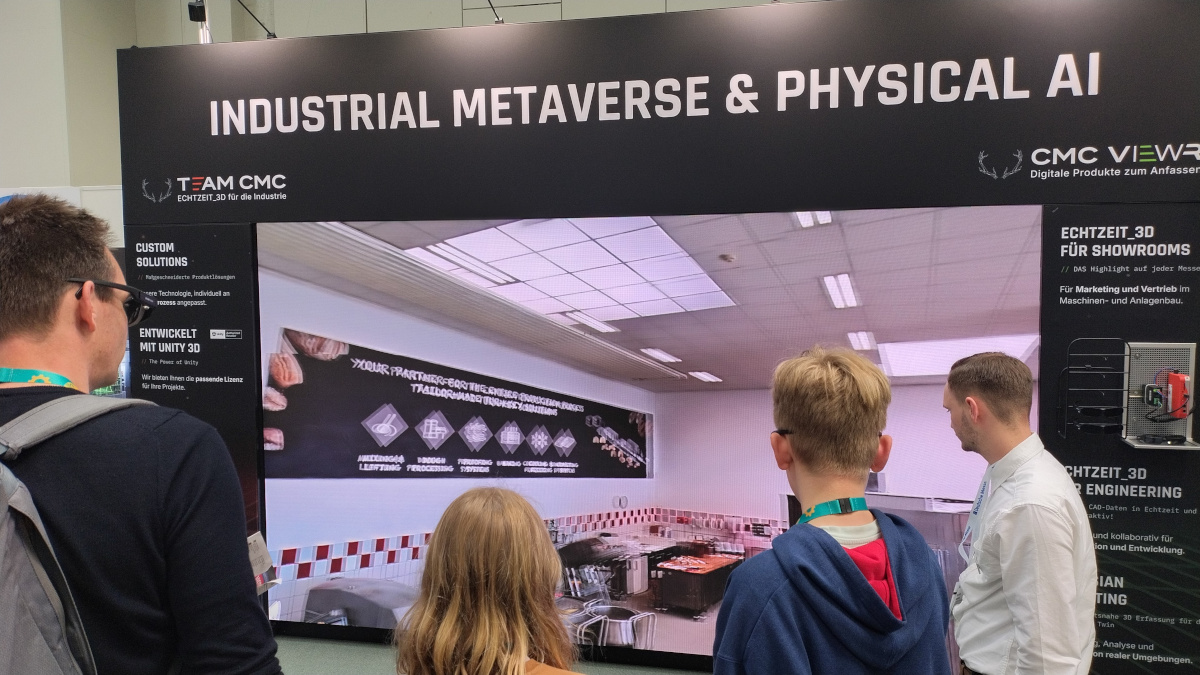
In 2026, virtual and extended realities present themselves less as isolated show effects and more as tools for real workflows: prototyping in the virtual factory, remote inspection of digital twins, training in immersive environments, and collaboration in shared XR spaces. Despite the lack of new hardware offerings due to ongoing component supply issues, the applications on display show how immersive technologies bridge the gap between human experience and machine-generated data.
The fair thus signals that the first phase of digitalization – experiments, isolated projects, and technology showcases – has come to an end. The focus now lies on integrating these technologies into existing processes, making their benefits measurable, and addressing strategic challenges such as competitiveness, resilience, and defense capability using the same digital tools – whether in engineering, production, service, or engagement with security-critical markets. Hannover Messe is thus evolving into a hub for dual-use practices in technological, economic, and societal risk management.
