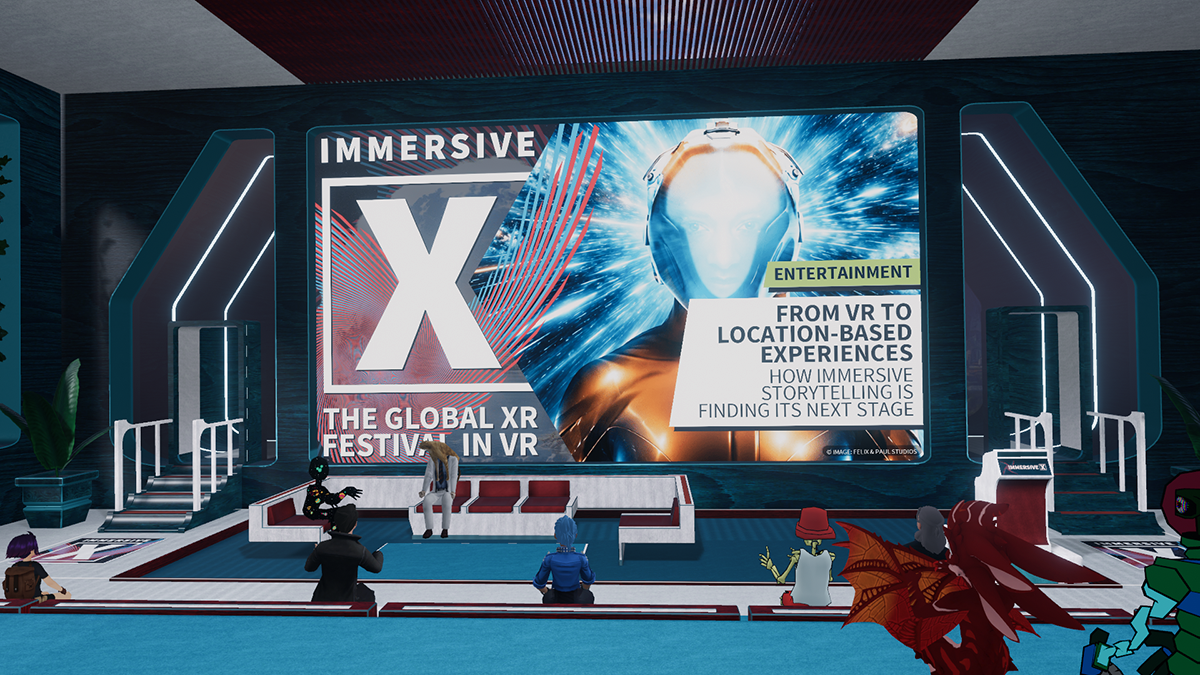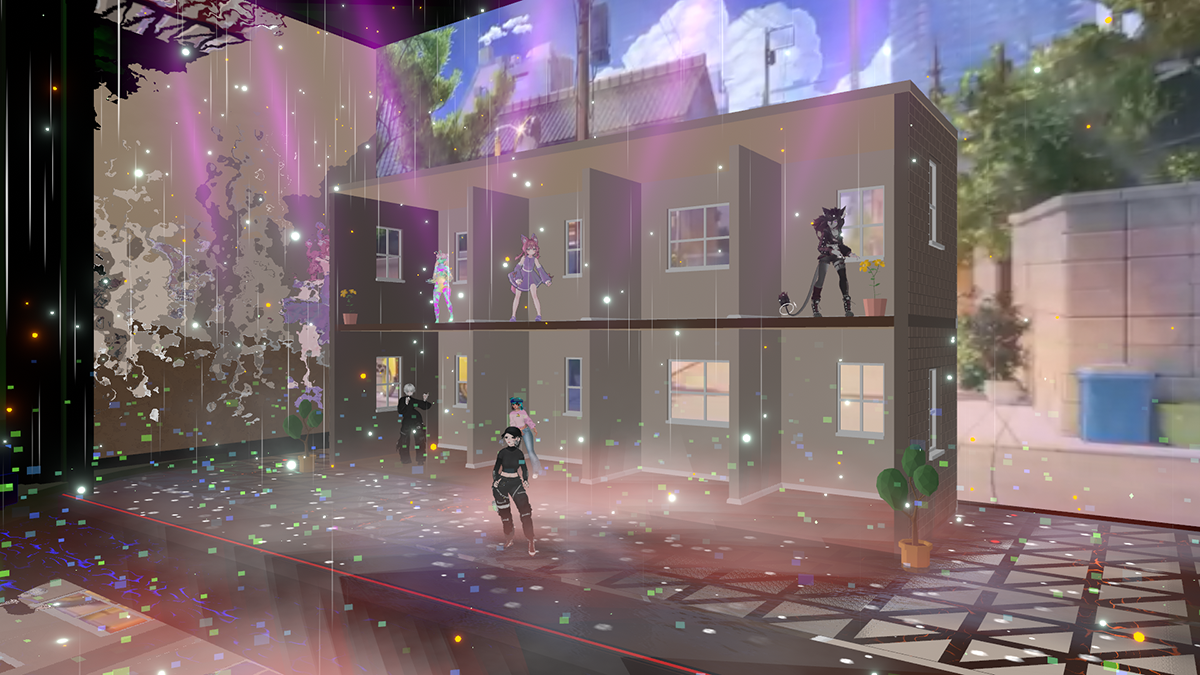
Immersive X 2026 took place as the sixth edition of the fully virtual XR festival under the theme “Reclaim the Future.” The event is a revealing indicator of the current restructuring of the metaverse landscape: rather than relying on a centralised metaverse operated by a handful of technology companies, it is organised as a distributed, cross-platform and community-driven ecosystem. The market is thus shifting away from the question “Which platform will become the metaverse?” towards the question of which virtual worlds can sustainably fulfil concrete social, creative, educational and business functions. Immersive X 2026 answers this question not through a single platform, but through the deliberate distribution of its programme across multiple virtual worlds.
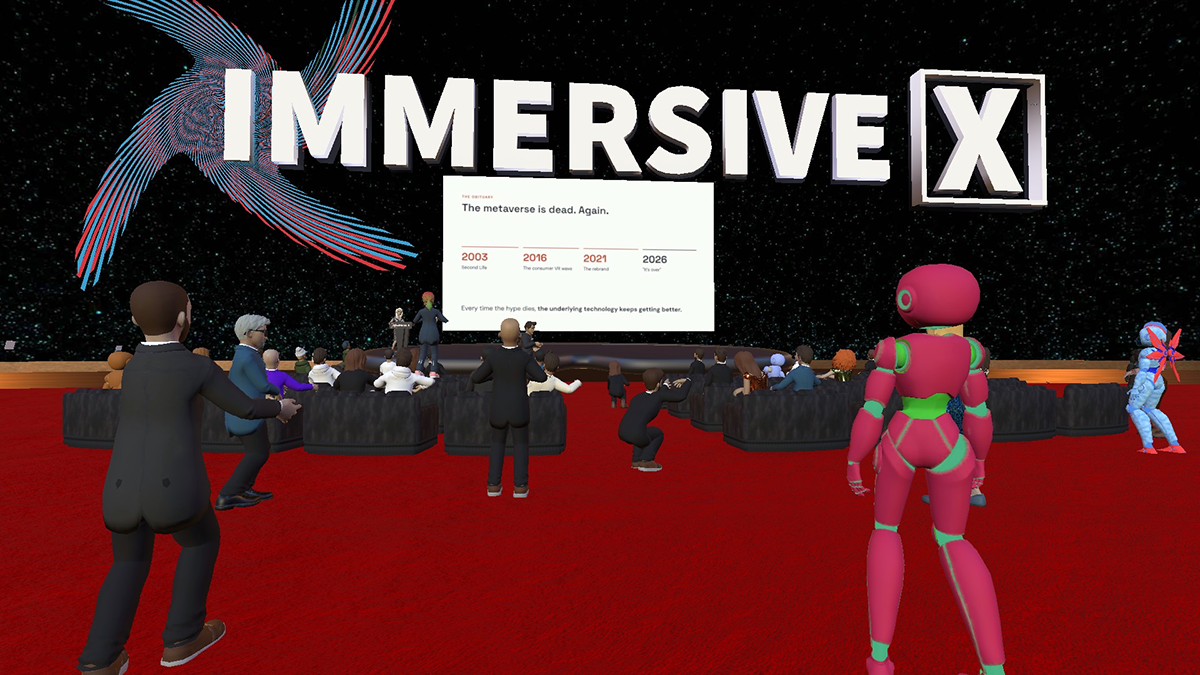
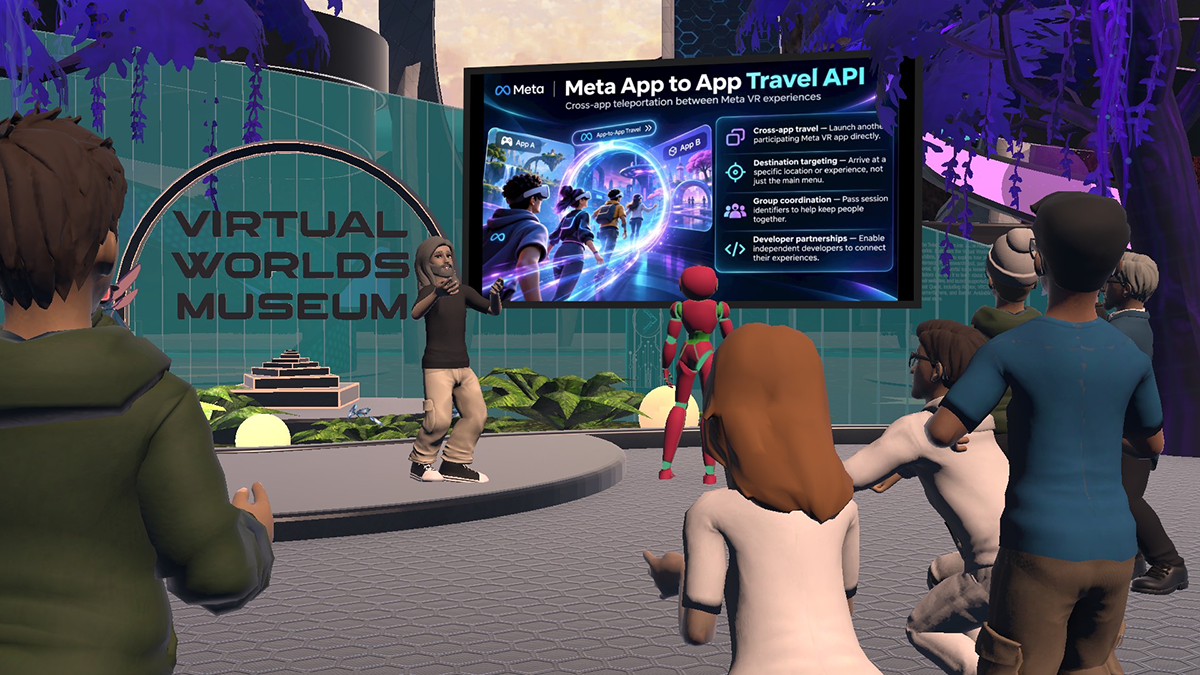
In 2026, the festival used at least ten platforms, including VRChat, Second Life, AltspaceVR, Resonite, RAUM, Arrival.Space, Horizon Worlds, PatchWorld, Alterland, Foretell Reality, BurnerSphere, DeoVR and VRExplorer. It was therefore conceived not as an event hosted on one platform, but as a network of connected yet technically independent virtual spaces. This architecture is strategically significant: it reduces dependence on individual operators, accommodates different audiences and modes of interaction, and makes platform selection part of the curatorial concept. At the same time, it requires considerable coordination, as onboarding, access rules, moderation, technical accessibility and community communication must be organised separately for each world.
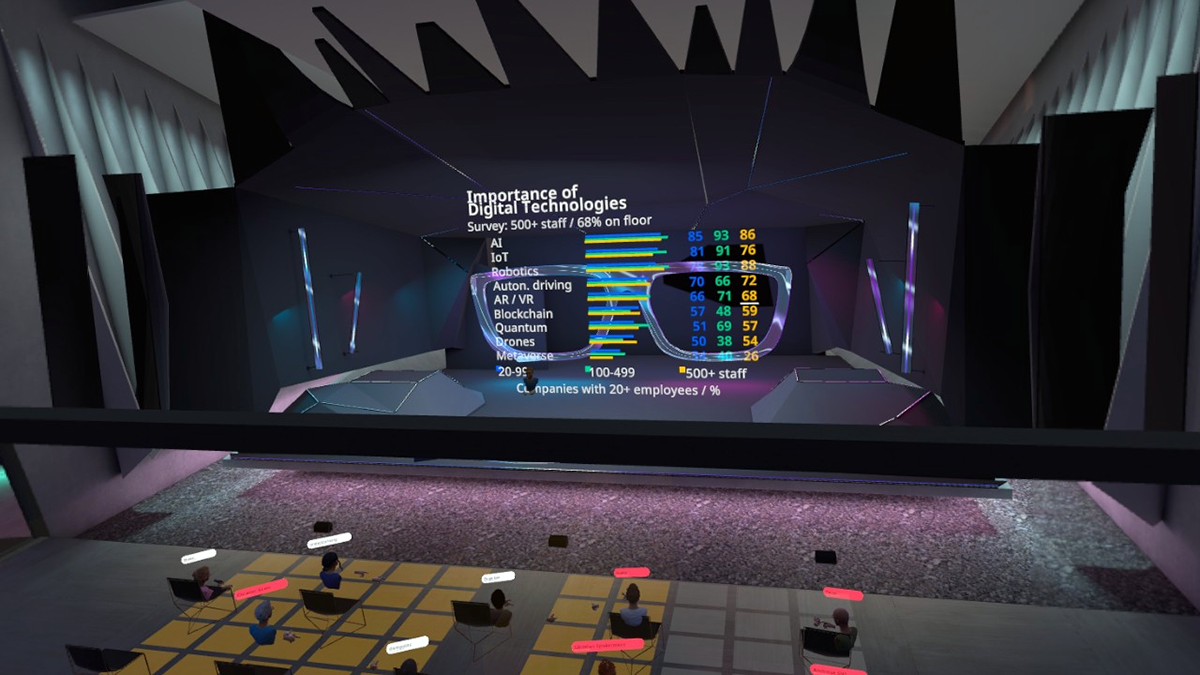
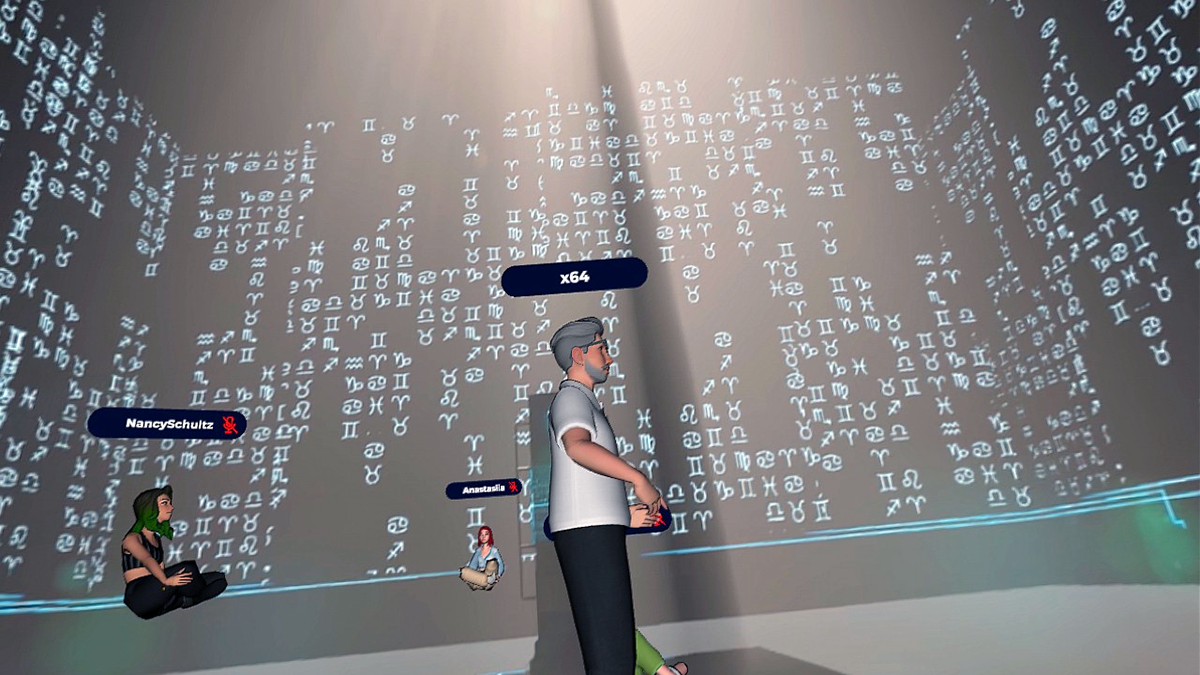
The current platform landscape in 2026 is shaped above all by three developments: Meta’s shift of Horizon Worlds away from a VR-first platform towards mobile and web; the closure of the enterprise and education platform ENGAGE XR due to difficult market conditions; and the revival of the former Microsoft platform AltspaceVR under the SideQuest VR banner. Immersive X 2026 responds to these shifts by bringing together established social-VR worlds, revived platforms, European B2B infrastructure and specialised niche spaces within a single programme. Sessions on XR Commons, open standards, digital sovereignty, sustainable XR ecosystems and community-owned infrastructure make this strategic orientation clear.
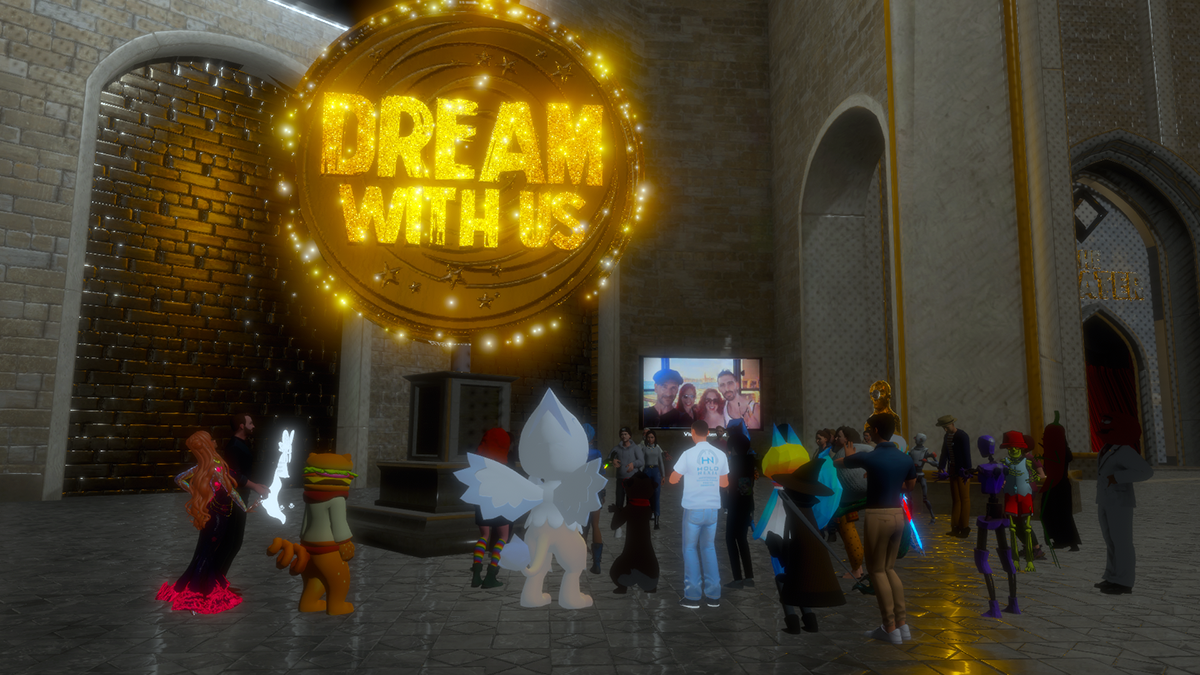
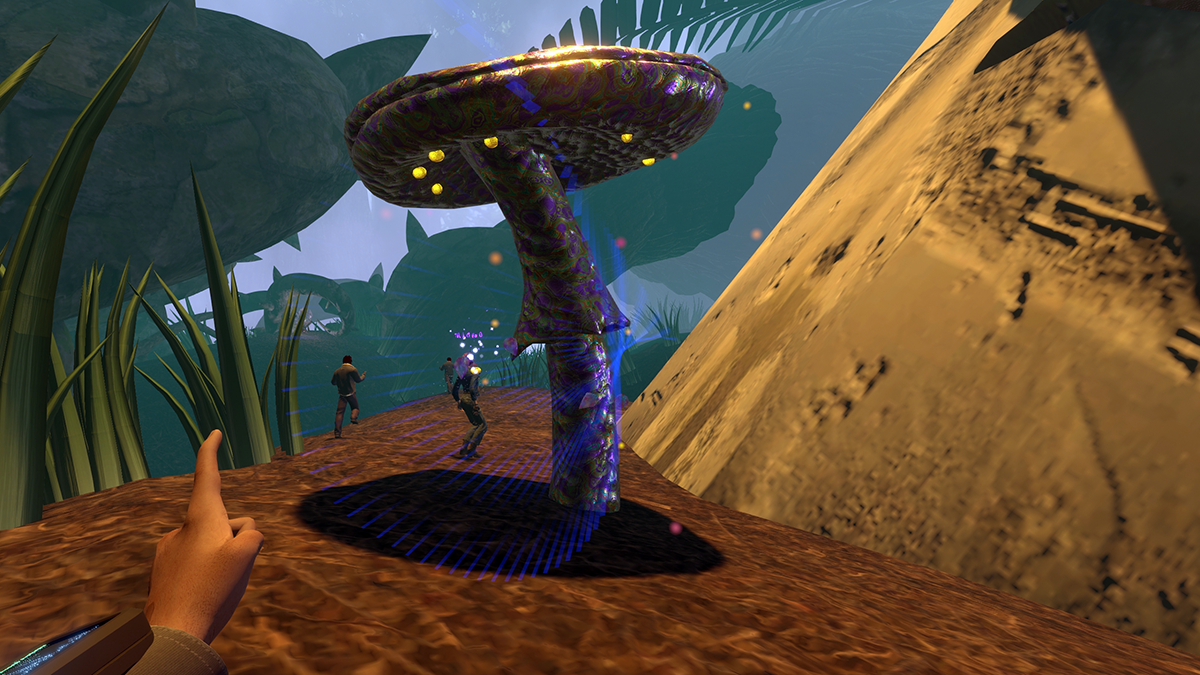
Immersive X 2026 is therefore a fitting case study for the argument that the metaverse market is not simply shutting down, but restructuring itself. Value is shifting from the platform as a closed world towards portable content, active communities and interoperable event formats. Horizon Worlds and ENGAGE XR illustrate the risks of centralised platform models, while AltspaceVR demonstrates the potential of community-driven revival. Immersive X shows how an event can strategically leverage both developments to reclaim the future of Social VR.